
-
Get involved.
We want your input!
Apply for Membership and join the conversations about everything related to broadcasting.
After we receive your registration, a moderator will review it. After your registration is approved, you will be permitted to post.
If you use a disposable or false email address, your registration will be rejected.
After your membership is approved, please take a minute to tell us a little bit about yourself.
https://www.radiodiscussions.com/forums/introduce-yourself.1088/
Thanks in advance and have fun!
RadioDiscussions Administrators
You are using an out of date browser. It may not display this or other websites correctly.
You should upgrade or use an alternative browser.
You should upgrade or use an alternative browser.
The Beginning of the end for HD Radio
- Thread starter stewie
- Start date


I hope to get one that compact and cool some day!
Here’s mine:
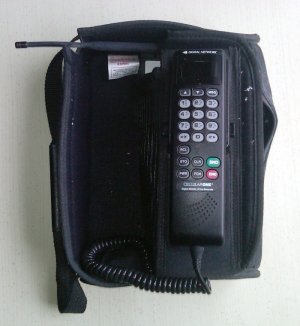
Ah, yes. The analog cell phones that were audible on almost any scanner, even the scanners that had cell frequencies blocked, because of the limitations in selectivity in many scanners in the 800 Mhz range... Radio stations had a heyday playing back cell conversation excerpts during that time, too.
Now Audi too:"Earlier this month, we reported that General Motors would be producing certain full-size pickup trucks and SUVs without stop-start technology. The fuel saving feature relies on electronic components that are currently hard to come by in the midst of the ongoing microchip shortage. Now, we’ve seen an email, sent to dealers, which outlines changes coming to select 2021 model year pickup trucks and all 2022 HD pickups. The trucks will be built without the components needed for HD radio, and according to the email, this is expected to be a permanent change."
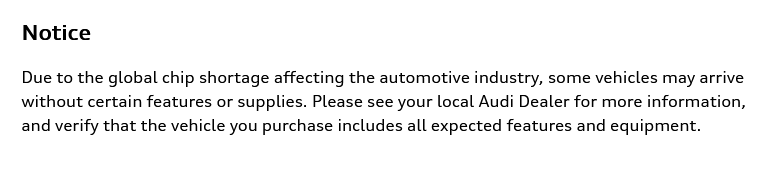

"Earlier this month, we reported that General Motors would be producing certain full-size pickup trucks and SUVs without stop-start technology.
Buyers would be well advised not to purchase or use the start-stop technology in any vehicle. Vehicles with this feature tend to wear both engines and batteries very quickly (note: some vehicles with start-stop have gigantic, and expensive, batteries to cope with the drain).
The advertised fuel savings is something around 3% in normal customer use. A pittance.

My wife's 2020 Jaguar has stop/start. Not a fan. There is a button to disable it, but no way to have it default to off. I've just gotten into the habit of pressing two buttons in order: 'Start' and Stop/Start disable. (little gear symbol on the button)Buyers would be well advised not to purchase or use the start-stop technology in any vehicle. Vehicles with this feature tend to wear both engines and batteries very quickly (note: some vehicles with start-stop have gigantic, and expensive, batteries to cope with the drain).
The advertised fuel savings is something around 3% in normal customer use. A pittance.
I've been a passenger in a stop/start vehicle. It's an unnerving experience, don't think I'd want it in a car of mine.Buyers would be well advised not to purchase or use the start-stop technology in any vehicle. Vehicles with this feature tend to wear both engines and batteries very quickly (note: some vehicles with start-stop have gigantic, and expensive, batteries to cope with the drain).
The advertised fuel savings is something around 3% in normal customer use. A pittance.
Vehicles with start-stop have a heavier-duty battery and starter motor, so that shouldn't be a problem. But the fuel saving is minimal for most types of driving. It's really only good for city traffic where the engine would be idling for minutes at a time.Buyers would be well advised not to purchase or use the start-stop technology in any vehicle. Vehicles with this feature tend to wear both engines and batteries very quickly (note: some vehicles with start-stop have gigantic, and expensive, batteries to cope with the drain).
The advertised fuel savings is something around 3% in normal customer use. A pittance.
I've been a passenger in a stop/start vehicle. It's an unnerving experience, don't think I'd want it in a car of mine.
Wait until you borrow your friend's vehicle with this feature and it is functional. I'm really surprised we haven't heard of lawsuits where the driver of such vehicle goes berserk when the engine dies at a busy intersection.
Even more idiotic......the BMW X3 I once owned showed a lamp when the start-stop was functioning. Except that the lamp was lit when it was off instead of when it was activated AND the on-off button was right next to the engine start-stop button and was very easy to hit by accident.
I hated this "feature" so much I asked BMW to disable it but they claimed they could not do that. BULLWEINIES!!!!!

We have the feature on two BMWs, and we live in an area with limited bumper-to-bumper traffic, so it is not going to save money and will wear out components from normal red light stops. So we got the dealer to disable the feature; they said that "here in the desert, it puts a lot of strain on the battery" and that most people ask for it to be disabled.My wife's 2020 Jaguar has stop/start. Not a fan. There is a button to disable it, but no way to have it default to off. I've just gotten into the habit of pressing two buttons in order: 'Start' and Stop/Start disable. (little gear symbol on the button)
I think it is one of those "features" that did only one thing: make cars look better in simulated tests so that they would get extra EPA "points" for economy.

Exactly. It would take really severe bumper to bumper traffic to produce any measurable savings, and getting stuck just once with a dead battery or other problem will cost much more to fix than the gas savings.We have the feature on two BMWs, and we live in an area with limited bumper-to-bumper traffic, so it is not going to save money and will wear out components from normal red light stops. So we got the dealer to disable the feature; they said that "here in the desert, it puts a lot of strain on the battery" and that most people ask for it to be disabled.
I think it is one of those "features" that did only one thing: make cars look better in simulated tests so that they would get extra EPA "points" for economy.
The function is appearing in so many cars and is so annoying that is has started a small industry in manufacturing devices to bypass it.

Ah, yes. The analog cell phones that were audible on almost any scanner, even the scanners that had cell frequencies blocked, because of the limitations in selectivity in many scanners in the 800 Mhz range... Radio stations had a heyday playing back cell conversation excerpts during that time, too.
Just because you brought it up:
Analog Cellular Phone Calls 1988 The Weatherman's Dumb Stupid Homepage: No News, No Sports, Just the Weather…man
(Direct audio download: http://dumb.negativland.com/wp-content/uploads/2018/03/analogcellularphonecalls_1988.mp3)
Enjoy this little look back at the now-unknown beautiful clarity and intelligibility of the '80s cell phone network and check out all the 1AESS relay clicks!
I still have that PRO-2005 somewhere though I have no clue if it works. I tried to get Mom's old bag phone going but it wasn't having it. It let the smoke out the moment I connected it to a fully charged 12V battery, so that was the end of it.
Last edited:
I had an unblocked Bearcat scanner -- legal, bought it months before manufacturers were ordered to block -- that I used for hours on end listening to that stuff! Cheating husbands (like the one on this recording!), drug dealers, sports bets being placed, and one memorable call featuring a city council member complaining to an unknown confidant about a PITA police detective. You could just plant the scanner on one frequency and wait for calls; there never was more than a minute's silence until the next one came in.Just because you brought it up:
Analog Cellular Phone Calls 1988 The Weatherman's Dumb Stupid Homepage: No News, No Sports, Just the Weather…man
(Direct audio download: http://dumb.negativland.com/wp-content/uploads/2018/03/analogcellularphonecalls_1988.mp3)
Enjoy this little look back at the now-unknown beautiful clarity and intelligibility of the '80s cell phone network and check out all the 1AESS relay clicks!
The facility I was working at in the mid-90s had a Bearcat 800 MHz scanner as well. One of the guys set the Lower/Upper limits so it would search the cell phone bands at the time. I agree, the thing provided hours of entertainment...Including the time a few of us happened to be in the same room listening as one of the mid-level employees we worked with was having a gripe session on their mobile phone with another staff, complaining about his co-workers, including a few that happened to be listening.I had an unblocked Bearcat scanner -- legal, bought it months before manufacturers were ordered to block -- that I used for hours on end listening to that stuff! Cheating husbands (like the one on this recording!), drug dealers, sports bets being placed, and one memorable call featuring a city council member complaining to an unknown confidant about a PITA police detective. You could just plant the scanner on one frequency and wait for calls; there never was more than a minute's silence until the next one came in.
At the place I worked part-time at around that same time, several of the younger/newer staff lived within a few miles of each other. Two of the youngest engineers were constantly exchanging frequencies of the cordless telephones (land-line cordless phones in other employees' homes) as they had a habit of listening in. That gig was up when one of the guys fancied a female staff. He was listening in on one of her calls with another guy and grew jealous. He himself called her, she had call waiting so she heard the beep, switched over to talk to the young staff who was calling, and he basically described everything that was said to the guy she'd been talking with. She felt her privacy was invaded, she thought he'd actually tapped her phone lines, she felt violated and the whole thing turned ugly. Needless to say, she and her family only used the cordless phone for general banter after that, but never when talking about anything personal or sensitive.
I guess the lesson learned from both instances is that nothing you ever do or say involving technology is truly secure (especially back then) and that one never knows when someone is listening/watching.
Last edited:
Well, I brought the 2005 out of storage last night and scanned around the low 800 MHz cellular band earlier this afternoon and.................... nothing. The company in east Vancouver that I believe operated the (isolated? private/internal?) AMPS network that I mentioned in the comments on Weatherman's page (linked above) went out of business in early 2019. I sat in my car in the city park up the road from my mom's old place, since her house was where I had initially observed it almost a decade ago, which was close to the company. So if it was theirs then that's all, folks. No more AMPS. End of an era.
Tons of GSM/PCS/LTE etc. buzzing in upper 800 to slog through, though. You know it's funny, years ago it was considered outrageous that the totally unencrypted, insecure and wide-open, then all-AMPS cell bands would be blocked for "privacy" reasons on scanners even though most UHF TV sets in operation at the time could monitor them just as easily. (Hell, a paging company in Methland ran tone-and-voice well into the 2000s and I used to monitor their STL between channels 4 and 5, on my grandmum's little 1970s black-and-white Sharp tabletop set!). These days it seems blocking them is almost a necessity if only for convenience. It's not like anybody's going to hear anything useful except lots of data hash.
Tons of GSM/PCS/LTE etc. buzzing in upper 800 to slog through, though. You know it's funny, years ago it was considered outrageous that the totally unencrypted, insecure and wide-open, then all-AMPS cell bands would be blocked for "privacy" reasons on scanners even though most UHF TV sets in operation at the time could monitor them just as easily. (Hell, a paging company in Methland ran tone-and-voice well into the 2000s and I used to monitor their STL between channels 4 and 5, on my grandmum's little 1970s black-and-white Sharp tabletop set!). These days it seems blocking them is almost a necessity if only for convenience. It's not like anybody's going to hear anything useful except lots of data hash.
Last edited:
GM, Ford, and Chrysler are in decline. Only able to build big, heavy and expensive trucks/SUVs for U.S. consumption.I already won’t buy GM pickups for the fleet, so I can’t really claim this is a deal-breaker…
Also in 2022, Chevrolet will be discontinuing the Malibu. Meanwhile foreign automakers have the U.S. sedan market covered.Speaking of GM; Radio INK Confirms: GM announced it will be eliminating HD Radio in certain 2022 trucks due to the chip and component shortages.
HD Radio elimination just adds to the list of reasons why I can't buy American for my next car purchase.
They are perfectly able to build small cars, but the market is not moving that direction. SUVs and trucks are achieving higher and higher shares of the market. However, the profit on small cars is minimal, as US manufacturers can't build in the labor savings of building in Asia.GM, Ford, and Chrysler are in decline. Only able to build big, heavy and expensive trucks/SUVs for U.S. consumption.
But fewer and fewer sedans are selling, which means that each model gets a smaller piece of the pieAlso in 2022, Chevrolet will be discontinuing the Malibu. Meanwhile foreign automakers have the U.S. sedan market covered.
The same HD chips are used by European and Asian car manufacturers. And if the tight chip supply does not ease up, all brands will have the same issues.HD Radio elimination just adds to the list of reasons why I can't buy American for my next car purchase.
It only takes $4-5/gallon gasoline nationwide to repeat the pick-up/SUV glut a decade ago. Another Cash for Clunkers will destroy the pandemic-era pick-ups and SUVs. The economy can get shaky with threats of shortages, even gasoline. But COVID will pass once vaccinations and mask-wearing kill off the remaining virus and the remaining shortages (and hopefully inflation) will ease.They are perfectly able to build small cars, but the market is not moving that direction. SUVs and trucks are achieving higher and higher shares of the market. However, the profit on small cars is minimal, as US manufacturers can't build in the labor savings of building in Asia.
But fewer and fewer sedans are selling, which means that each model gets a smaller piece of the pie
The same HD chips are used by European and Asian car manufacturers. And if the tight chip supply does not ease up, all brands will have the same issues.
There are also political and business interests involved with mainstreaming all-HD digital FM. The current Democratic majority adopts all-HD digital FM since it aligns with its political goals. The Big 3 radio companies love the additional music format opportunities (and additional revenue) after the transition. And aftermarket manufacturers and car audio installers (like Best Buy) benefit with the increased sales for in-car technology upgrades (like hands-free CarPlay/Auto) during the transition.
We have $4 to $5 gas in CA and have for nearly 2 years. Sales of smaller sedans is falling, SUVs and trucks are increasing.It only takes $4-5/gallon gasoline nationwide to repeat the pick-up/SUV glut a decade ago. Another Cash for Clunkers will destroy the pandemic-era pick-ups and SUVs. The economy can get shaky with threats of shortages, even gasoline. But COVID will pass once vaccinations and mask-wearing kill off the remaining virus and the remaining shortages (and hopefully inflation) will ease.
There is no proposal or plan to remove the analog component from FM. Making 100% digital FM radio would make over 200 million vehicle receivers obsolete, and nobody, from broadcasters to the government, would want that as it would push consumers to use unregulated streaming audio sources and never come back..There are also political and business interests involved with mainstreaming all-HD digital FM. The current Democratic majority adopts all-HD digital FM since it aligns with its political goals. The Big 3 radio companies love the additional music format opportunities (and additional revenue) after the transition. And aftermarket manufacturers and car audio installers (like Best Buy) benefit with the increased sales for in-car technology upgrades (like hands-free CarPlay/Auto) during the transition.
The proportion of large vs. small has remained unchanged at 55/45 in Houston. The trucks tend to be newer thanks to Cash for Clunkers wiping out anything a decade old. Honda Accords and Toyota Camrys of various ages still dominate the sedan market, but Tesla is gaining traction in the Energy Capital of the World. The gas price has stayed around $2.50 for the past 2 years.We have $4 to $5 gas in CA and have for nearly 2 years. Sales of smaller sedans is falling, SUVs and trucks are increasing.
There is no proposal or plan to remove the analog component from FM. Making 100% digital FM radio would make over 200 million vehicle receivers obsolete, and nobody, from broadcasters to the government, would want that as it would push consumers to use unregulated streaming audio sources and never come back..
The decision makers were not concerned about making 300 million analog TVs obsolete a decade ago. Eventually consumers migrated to unregulated streaming TV services.
But diginets on OTA subchannels have proliferated despite streaming's popularity--in fact Rewind launched today in a crowded marketplace. The same can happen with HD radio subchannels with proper attention, despite smartphone in-car connectivity.
- Status
- This thread has been closed due to inactivity. You can create a new thread to discuss this topic.