
So much for introspection...I read somewhere that the reason I like "Java" so much is that Captain Kangaroo used it.
The best I can do is admit that at one point I used to like "Sugar, Sugar".

So much for introspection...I read somewhere that the reason I like "Java" so much is that Captain Kangaroo used it.
I sort of like it. After all, it was part of a pleasant show about the characters, unlike the very dark murder mystery series on The CW.So much for introspection...
The best I can do is admit that at one point I used to like "Sugar, Sugar".
There's a dark murder mystery series on the CW about The Archies?I sort of like it. After all, it was part of a pleasant show about the characters, unlike the very dark murder mystery series on The CW.
Yes. They spent the entire first season solving one murder and I'm not sure they ever did. Other people have died over the years.There's a dark murder mystery series on the CW about The Archies?
Apparently I haven't kept up at all.Yes. They spent the entire first season solving one murder and I'm not sure they ever did. Other people have died over the years.
I haven't really kept up.
At first I thought he was talking about Scooby Doo but this must be it: Archie's Weird Mysteries (TV Series 1999–2000) - IMDbApparently I haven't kept up at all.
Not sure if "Last Date" was ever a staple of Beautiful Music stations, but I remember bits of it being played often on KLRA Little Rock in the late '70s as top-of-the-hour filler before the CBS network news when the DJs would come up short in their shows' music scheduling.WERT today has also played "Last Date" by Floyd Cramer and "United" by Music Makers.
No, Semoochie. He’s talking about “Riverdale” (2017-2022):At first I thought he was talking about Scooby Doo but this must be it: Archie's Weird Mysteries (TV Series 1999–2000) - IMDb
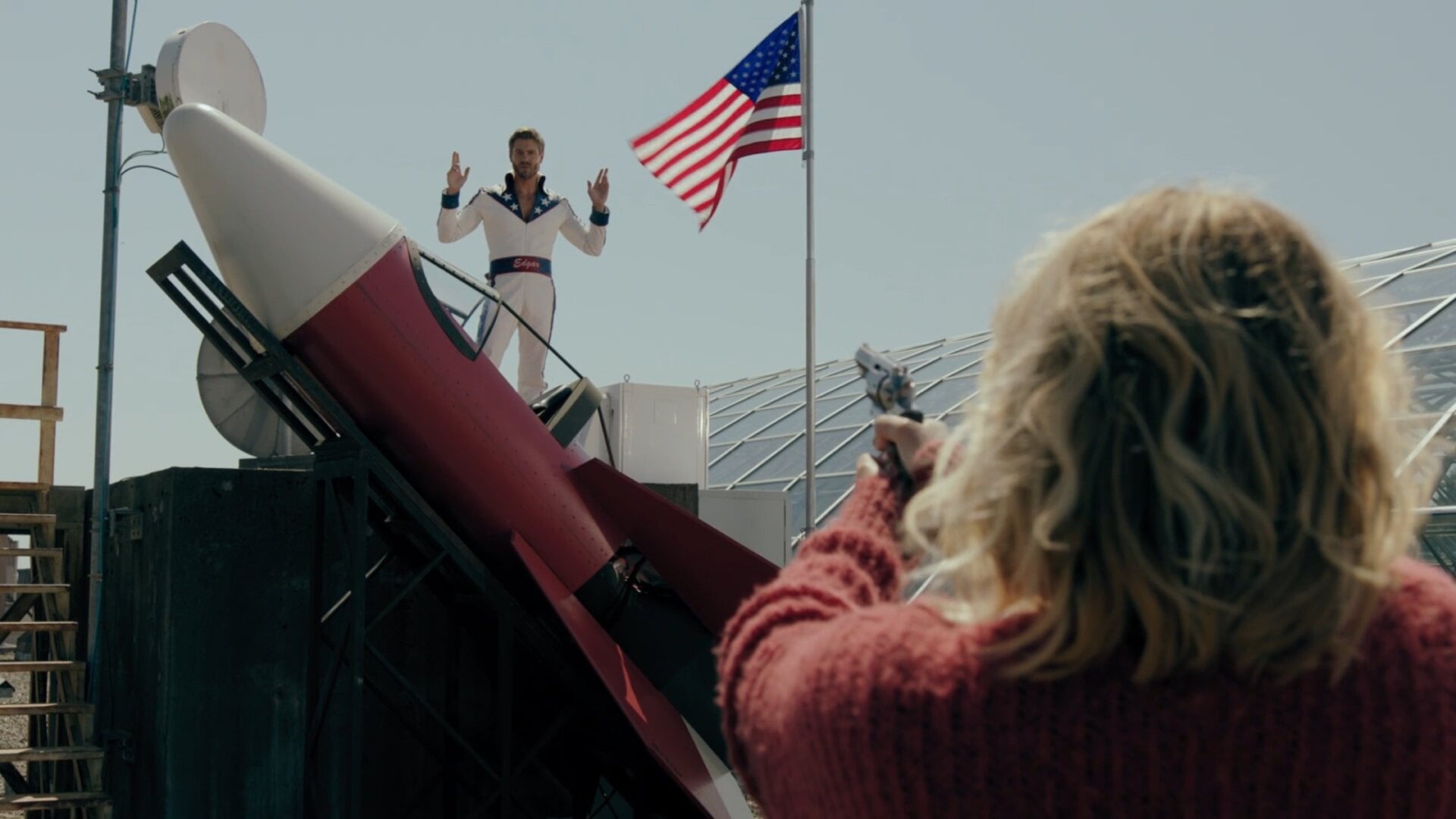
 gizmodo.com
Where's the "slaps side of head" emojii?No, Semoochie. He’s talking about “Riverdale” (2017-2022):
22 Unhinged Sentences About Riverdale That Are Absolutely True
From killers, cults, bears, and aliens to alternate dimensions, superpowers, plagues, and immortal sorcerers.
It is a common song on standards radio.Not sure if "Last Date" was ever a staple of Beautiful Music stations, but I remember bits of it being played often on KLRA Little Rock in the late '70s as top-of-the-hour filler before the CBS network news when the DJs would come up short in their shows' music scheduling.
And the world-wide biggest instrumental hit of that era, Paul Mauriat's Love is Blue. That was the only song recorded in France to become #1 in the US, and sold something like 20 million copies world-wide. The only instrumental to sell more was Richard Clayderman's Ballade pour Adeline which did 22 million, but was not a huge US hit despite it's immense popularity in the rest of the world.
It's interesting that Richard Clayderman is very popular with folks from south of the border, but hardly known here in the US among the non Hispanic population.Huge, if you programmed Beautiful Music (I did, for about 70 stations in Latin America)
The difference is that Kaempfert had more of a "big band" sound and some cuts even had a bit of a jazz influence. Mantovanni sounded more orchestral in the sense it as fuller and did not feature solo instruments as much... more 50's and early 60's in style.
Percy Faith was a mainstay of US "good music" and "Beautiful Music" formats as he early on adopted the policy of doing covers of Top 40 hits. He was not a singles artist.
The biggest of all is Frank Pourcel. Mainstay of US instrumental stations, and at the forefront of the format outside the US, along with Paul Mauriat and others like Caravelli, James Last, and, later, the "French Invasion" of Clayderman and Borelli and the rest of the Dauphan label artists.
I believe his work with The Beatles was as producer for their demonstration records made for Decca Records which failed to get them signed to Decca Records.On another note, many people don't know that the late German bandleader Bert Kaempfert was not only a great composer, but many of his arrangements were positively unique: he used voices as instruments, creating an incredibly smooth sound.
Also I think it's odd that Kaempfert never covered (to my knowledge) any of the Beatles tunes. He was, after all, essentially their manager prior to Brian Epstein, and had much to do with what would be their future success.
I'm probably crazy, but I thought I read somewhere that it was Kaempfert who actually introduced them to George Martin over at EMI......I believe his work with The Beatles was as producer for their demonstration records made for Decca Records which failed to get them signed to Decca Records.
According to Wikipedia, Bert Kaempfert hired the Beatles to be the back-up band for Tony Sheridan. One album was produced. Bert recorded two songs with just The Beatles during the Tony Sheridan sesssions... "Ain't She Sweet" sung by John Lennon and the instrumental "Cry For A Shadow". In October, 1961, a customer went into the Liverpool record store owned by Brian Epstein and asked to buy a copy of "My Bonnie", credited to Tony Sheridan, but backed by The Beatles. Brian didn't have it, but made note of it. Intrigued by the idea of a Liverpool band releasing a record, he investigated. That lead to him finding and signing The Beatles. So, imho, Kaempfert was indirectly involved in the beginning of their success.I'm probably crazy, but I thought I read somewhere that it was Kaempfert who actually introduced them to George Martin over at EMI......
" Last Date" was played on KMEO, which had a more upbeat, up tempo Beautiful Music style, " Bright and Beautiful CAMEO K-M-E-O". The competition was KQYT (Quiet), which lived up to it's name playing softer, orchestral instrumentals, at a lower volume than KMEO. Occasionally, KMEO would play a vocal now and then, like "Love is in the Air" by John Paul Young, or Barbara Streisand "Memory".Not sure if "Last Date" was ever a staple of Beautiful Music stations, but I remember bits of it being played often on KLRA Little Rock in the late '70s as top-of-the-hour filler before the CBS network news when the DJs would come up short in their shows' music scheduling.
And there is a famous quote by a Decca executive that guitar music was on its way out at that time.I believe his work with The Beatles was as producer for their demonstration records made for Decca Records which failed to get them signed to Decca Records.
KMEO used Bonneville (Marlin Taylor) syndicated programming while, IIRC, KQYT used Churchill after first having used SRP." Last Date" was played on KMEO, which had a more upbeat, up tempo Beautiful Music style, " Bright and Beautiful CAMEO K-M-E-O". The competition was KQYT (Quiet), which lived up to it's name playing softer, orchestral instrumentals, at a lower volume than KMEO. Occasionally, KMEO would play a vocal now and then, like "Love is in the Air" by John Paul Young, or Barbara Streisand "Memory".

