Their idea is to be somewhere people actually areWhen I first heard about Twitter, I thought - that's practically the same as the old (still operating) IRC/Internet Relay Chat, but Twitter keeps the old messages (and can save and play multimedia content).
In the Fall of 1996, I found out about an ISP that offered IRC only for $5/month, I used a dialup internet connection provided free by the KC library system (Lynx browser), it was a lot of fun to chat with people all over the world in real time.
NPR could put their intended for Twitter content on #NPR on the IRC system.
Kirk Bayne

-
Get involved.
We want your input!
Apply for Membership and join the conversations about everything related to broadcasting.
After we receive your registration, a moderator will review it. After your registration is approved, you will be permitted to post.
If you use a disposable or false email address, your registration will be rejected.
After your membership is approved, please take a minute to tell us a little bit about yourself.
https://www.radiodiscussions.com/forums/introduce-yourself.1088/
Thanks in advance and have fun!
RadioDiscussions Administrators
You are using an out of date browser. It may not display this or other websites correctly.
You should upgrade or use an alternative browser.
You should upgrade or use an alternative browser.
NPR temporarily stopped it's twitter accounts in a "state-media" beef with Elon Musk
- Thread starter DarrenVision
- Start date

NPR could put their intended for Twitter content on #NPR on the IRC system.

Really? You think the invasion of another sovereign nation is stupid? Strange value system, if that's the case.
But they're Russian scientists aren't they?
You assume the U.S./Russian space program has ended. It hasn't. We just flew a Cosmonaut up to the space station a few weeks ago aboard a SpaceX Falcon 9.
China hasn't invaded a sovereign nation lately has it?
But I wasn't referring to the war itself as stupid. Although it was a stupid move by the Russians / Putin, and reprehensible. I was referring to some people's reactions to the exchange of scientific data and scientific tech with Russia, because of the war, as being stupid.
Science needs to transcend international geopolitics. Most of the time, it has. Even during the Cold War there was trading of scientific research across the Iron Curtain.
RE: China: They haven't invaded another nation since 1949, when Mao consolidated rule over Tibet and Sinkiang (well, 1979 if you include the failed Chinese incursion into Vietnam), although it could be argued they have invaded the South China Sea -- but that isn't the point. I think that a country having over a million people of an ethnic minority in concentration camps is reprehensible, don't you? We boycotted South African products because of Apartheid. What China is doing to the Uighurs is similar to Apartheid.
Yet we still trade with China. We still engage with China. We still probably use their climate, medical, and other scientific data where applicable. We were funding viral research in Chinese labs, despite the way China treats ethnic minorities. Science (including space exploration) and medicine need to transcend geopolitics.
If those complaining about SpaceX using Russian tech would also complain about trade with China, and using Chinese tech, I'd credit them with some consistency. Maybe they are, and I just haven't heard about it.
Edit: I also need to say that I understand that sometimes geopolitics calls for boycotts, as we've seen with the West boycotting Russian energy and metals. Maybe the SpaceX detractors think that using Russian rocket tech is similar to buying Russian energy, metals, and consumer products. But I still think if it's science and space related, there should be no issue with using Russian tech. It's space. Space can be a dangerous place, and it doesn't care what nationality you are. Sort of like Antarctica, where there are similar protocols.
Last edited:
Good points, but the subscription / streaming model is the way all content is going. Some media are slower in adopting it completely, due to their present platforms' viability (OTA radio, for example), but the future is internet delivery of all content and the subscription model as the way of paying for it.That we must pay absurd subscription fees (not to mention the cost of the necessary internet connection) to hear!
I realize it's probably better for the content providers, as it enables them to reach a wider audience, and generate money without the overhead of having to support a legacy broadcasting infrastructure and all the stuff that goes with it, but how is that better for us listeners, when the same thing is more or less already available in most places on FM, no subscriptions or ISPs required?
I don't understand. It can't be all about the audio quality, because FM quality is already quite good for talk, and I just don't see how much or why it needs to be much better than that. For music, sure. But talk?
c
BigA once mentioned in another thread (at least I think he did) that the trend will also lead to more aggregators, because consumers tire of keeping track of paying for so many subscriptions. But the trend is internet delivery of all content, and it will be paid for through subscriptions. We see this already occurring in some online news media. At the same time, there are some free news aggregators, so that trend may also continue.
I don't think the entire content industry will go completely online / subscription-based for another decade or more. But I think it's inevitable, though.
There will probably always be some free delivery of content. Internet content providers often offer free subscriptions now, to gain viewers, readers, listeners, etc. The idea is to get you to subscribe. The classic retail concept of the loss leader.
And who knows, there may be some OTA radio survivors well into the 2040's and 2050's. As long as they can advertise and pay the bills they will keep going as long as practicable.


What is Bluesky, and why is everyone on Twitter talking about it?
The invite-only, decentralized new social network, explained.
 www.vox.com
Here is more hype on Bluesky.
I lived across the hall from a Puerto Rican when I was in college in 1979. He and his friends were excited about this possibility, so it must have been in the planning stages to have such a vote even then.Puerto Rico gets to vote on its status later this year from what I understand. They'll get a choice of statehood or independence, and the current Commonwealth will go away regardless. It'll be up to the people of Puerto Rico, as it should be. Regardless of how the vote goes, Congress should be obligated to concur.
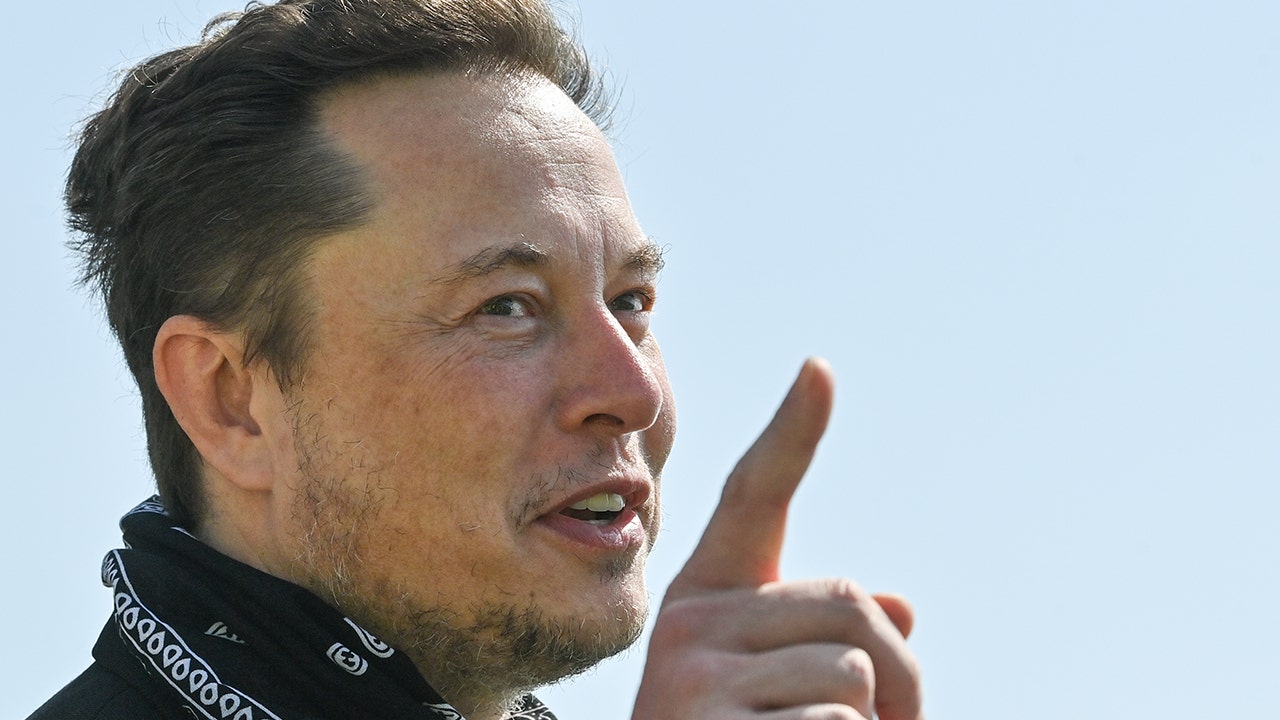
Musk bans 'genderfluid' 'Anti-Christ' promoting pedophilia flag from Twitter: 'Not tolerated on this platform'
Twitter CEO Elon Musk said tweets promoting pedophilia are "not tolerated on this platform" after banning a self-proclaimed gender-fluid "Anti-Christ" who posted a pedophilia flag.
Another day another toxic situation at Twitter.

But, again, the war was started due to the imperialism encouraged by the Monroe Doctrine as well as the total misinterpretation of the explosion of the Maine in Havana harbour.That's called "spoils of war." We defeated Spain in 1898, regardless of all the BS that came from the NYC papers that were instrumental in starting that war. Cuba was let go in 1904, the Phillipines after WW2.
There have been multiple such referendum elections in the past.Puerto Rico gets to vote on its status later this year from what I understand.
Of course, that is like an election in Texas where only Democrats and Independents can vote.They'll get a choice of statehood or independence, and the current Commonwealth will go away regardless.
"Free Associated State" (the actual Spanish name for Puerto Rico is "Estado Libre Asociado") has been neck and neck with statehood in every "Statehood-ELA-Independencia" referendum ever done. Independence never is more than a single digit percentage.
Not if ongoing Commonwealth (ELA) is not included. Totally biased and unfair to exclude 48% or more of the electorate.It'll be up to the people of Puerto Rico, as it should be. Regardless of how the vote goes, Congress should be obligated to concur.
It was instigated by the US military and the CIA after the president, Carlos Julio Arosemena Monroy, got up on a banquet table and tried to pee on the US Ambassador to Ecuador after arriving already quite drunk.IIRC, you were there when that happened. Was the CIA involved, or was this apart from US influence?
All socialist nations, whether there is a state run or state administered economy, are dictatorships. In the case of nations like Russia, the "dictator" was named by the party, not elected. In others, like Venezuela and Cuba, there are elections but with one viable candidate.China is a dictatorship, even though it is capitalist now. It's something we have to deal with.
Labor costs in Latin America, when increased Asia to the US shipping is factored in, are competitive. We have to consider that people, particularly politicians, in the US like to compare incomes in U$S while costs of living are very very different in other nations and not comparable.Can't disagree with that in principle, but the problem is labor costs. China has quasi-slave labor. I hope the Latin American countries aren't following suit.
Example, although dated: In the 60's I paid my best DJs about $60 to $80 a month, or less than $0.50 an hour. My janitor made $30 a month, a secretary about $40. But a bus ride ("big bus" and not the more costly shuttles) was less than 1¢ and a meal for two at the exclusive best French restaurant in town was about $14 with wine. Rent for an office big enough for 5 radio stations was about $35 a month.
We will have to find out how we deal, as a nation and / or as a civilization with the fact that streams and subscriptions exclude significant numbers of people due to cost.Good points, but the subscription / streaming model is the way all content is going. Some media are slower in adopting it completely, due to their present platforms' viability (OTA radio, for example), but the future is internet delivery of all content and the subscription model as the way of paying for it.
California is now proposing that "Medical" (the state administered Medicare program) include up to 6 months of rent payments as part of "long term care" so the idea of free-for-everyone connectivity is certainly not inconceivable. But, until that happens, a large portion of the population is excluded from a total shift to streaming.
Again, those of use with such services tend to forget that many people can not afford any of such services.BigA once mentioned in another thread (at least I think he did) that the trend will also lead to more aggregators, because consumers tire of keeping track of paying for so many subscriptions. But the trend is internet delivery of all content, and it will be paid for through subscriptions. We see this already occurring in some online news media. At the same time, there are some free news aggregators, so that trend may also continue.
And we have to see if there is a shift where the government subsidizes online "channels" just as they pay for physical roads and waterways.I don't think the entire content industry will go completely online / subscription-based for another decade or more. But I think it's inevitable, though.
But users have to have a high speed delivery service... or the government has to provide this as a service to all.There will probably always be some free delivery of content. Internet content providers often offer free subscriptions now, to gain viewers, readers, listeners, etc. The idea is to get you to subscribe. The classic retail concept of the loss leader.
Just as stables continued to exist for decades as the conversion to cars occurred. And that is a valid comparison as the conversion to motor vehicles depended in a great part to government construction of paid roads and streets as well as the creation of laws and systems to regulate cars and roads.And who knows, there may be some OTA radio survivors well into the 2040's and 2050's. As long as they can advertise and pay the bills they will keep going as long as practicable.
That's because he was referring to the possibility of yet another referendum... the proposed one will be the 7th in history.I lived across the hall from a Puerto Rican when I was in college in 1979. He and his friends were excited about this possibility, so it must have been in the planning stages to have such a vote even then.
"Since 1967, six votes have been held in Puerto Rico asking people what type of relationship they would like for Puerto Rico to have with the United States. This relationship is commonly called Puerto Rico’s “political status.” The six referenda on Puerto Rico’s political status – referred to as plebiscites – were held in 1967, 1993, 1998, 2012, 2017, and 2020. Today Puerto Rico remains a territory of the United States. Under the U.S. Constitution, there are two other options for Puerto Rico’s political status: Puerto Rico could become a State of the Union, as Hawaii did, or a sovereign nation like the Philippines."
Puerto Rico's Plebiscites - PUERTO RICO REPORT
Puerto Rico's plebiscites - Since 1967, 7 votes been held asking people about the relationship they want for Puerto Rico to have with the US.
 www.puertoricoreport.com
This proposal, though, excludes the preferential choice of nearly half of the population: continued Free Associated State status, known in English as "Commonwealth Status". It's a totally invalid proposition.
Remember, the Resident Commissioner of Puerto Rico is affiliated with the Republican Party as the appointee of the New Progressive Party on the Island. So this is basically a non-binding survey, not an election to officially determine status. It has no legal weight and is not binding.
Last edited:
I personally don't think the government will involve itself with the cost, or lack of cost, of online content, or even affordable internet access, for that matter. I don't see any movement in government presently to even counter the lack of broadband access for many people today. Any such movement seems to come from private industry, rather than Federal or State government.We will have to find out how we deal, as a nation and / or as a civilization with the fact that streams and subscriptions exclude significant numbers of people due to cost.
California is now proposing that "Medical" (the state administered Medicare program) include up to 6 months of rent payments as part of "long term care" so the idea of free-for-everyone connectivity is certainly not inconceivable. But, until that happens, a large portion of the population is excluded from a total shift to streaming.
Again, those of use with such services tend to forget that many people can not afford any of such services.
And we have to see if there is a shift where the government subsidizes online "channels" just as they pay for physical roads and waterways.
But users have to have a high speed delivery service... or the government has to provide this as a service to all.
Just as stables continued to exist for decades as the conversion to cars occurred. And that is a valid comparison as the conversion to motor vehicles depended in a great part to government construction of paid roads and streets as well as the creation of laws and systems to regulate cars and roads.
Re: people forgetting that many can't afford such services: Actually, the general thought seems to be that everyone already has access, and if they don't, there must be something wrong with them. If there are segments of the population that have no access to internet services, it's a non-issue to them.
RE: high speed internet: for basic content, DSL is adequate for most of it. Cell service can provide adequate internet access for a lot of people, too. In fact, that might be how a lot of people already get their internet -- on their phone.
And I don't see any government figures, of either major party, overly concerned about anyone being left behind during the shift from OTA broadcasting to internet only, subscription based broadcast content. I don't think that is even on their radar screen.
I probably am more cynical than you are about governmental concerns about anything like this. In my state, for example, they already think everyone working at MickyD's will be able to pay out another $700+ a month for a new, electric car in a few years. They've already banked the Law on it. If you attempt to engage with pro-EV folks about the implausible economics of EVs for poor and working class people, it falls on deaf ears.
I think it's probably the same with the prospect of an internet-only broadcast content society, which, obviously, would cost more than using your FM radio. The argument would be that everybody they see already has a phone, right? So what's the big deal with everything going internet only? Most phones have internet access already, right? Even dirt poor, Syrian refugees in the EU in 2015 were using phones for internet access. So what's the beef?
Maybe they've got a point.
Back on topic... Musk is threatening to turn NPR's Twitter account into "National Pumpkin Radio" if they don't start using it again:

 www.yahoo.com
Elon Musk reportedly threatened to reassign NPR's Twitter account due to inactivity
Twitter owner Elon Musk has reportedly emailed an NPR reporter to ask if the organization is returning to the website and to suggest that the company could reassign its account if it doesn't.

Looks like NPR and affiliate's leaving must have hit a nerve with Elon. "If you don't come back to my club, you'll forever be known as a poopie face!"Back on topic... Musk is threatening to turn NPR's Twitter account into "National Pumpkin Radio" if they don't start using it again:
Musk is threatening to turn NPR's Twitter account into "National Pumpkin Radio" if they don't start using it again:
That could lead to a lawsuit. There is no requirement that a user or account holder has to post on their site. I know from experience that there are many dormant accounts on twitter. The reason NPR didn't delete its account was specifically to prevent someone else from using the @npr account name for something else, since there is no longer any real authentication system there. But of course we know that Musk likes to change the rules to suit his personal purposes, continuing to make twitter a less than friendly place.
Here's NPR's reporting on this story, written by the reporter who received the email from Musk:

What a child.Back on topic... Musk is threatening to turn NPR's Twitter account into "National Pumpkin Radio" if they don't start using it again:
Elon Musk reportedly threatened to reassign NPR's Twitter account due to inactivity
Twitter owner Elon Musk has reportedly emailed an NPR reporter to ask if the organization is returning to the website and to suggest that the company could reassign its account if it doesn't.
I have few problems with 6 mbps, though they did upgrade me to 10 with no charge. For selected sites, less than 1 was adequate at home, but I had to go to the library for Facebook and videos. It was only when I threatened to give up my landline too that the phone company realized how cheap the "higher" speed could be.RE: high speed internet: for basic content, DSL is adequate for most of it.
Videos work pretty well for me but I still don't like being tied to my computer. I don't think TiVo will allow me to do everything possible, and certain features are more complicated there. Also some sites don't make it easy to back up when I miss something.I think it's probably the same with the prospect of an internet-only broadcast content society, which, obviously, would cost more than using your FM radio.
More on this story from the NY Post.

 nypost.com
It's not a stated policy in the terms of service. We don't know if he's made the same demands of other sites that are supporting NPR. He's obviously targeting NPR, and that kind of abuse is against the states TOS. Would he reassign other company names, such as @radiodiscussions? Can you imagine getting such an email from the CEO of any company?
Elon Musk threatens to reassign NPR’s Twitter handle as feud escalates
When asked on Twitter about who would possibly take over NPR’s account, Musk quipped: “National Pumpkin Radio.” He added a fire and laughing emoji.
nypost.com
The terms of service do not state that users must tweet in order to keep their accounts active.
Allyn wrote that he asked Musk whether he planned to change Twitter’s terms of service to reflect his demand that users must tweet in order to keep their handles.
“Our policy is to recycle handles that are definitively dormant,” Musk wrote in another email to Allyn. “Same policy applies to all accounts. No special treatment for NPR.”
It's not a stated policy in the terms of service. We don't know if he's made the same demands of other sites that are supporting NPR. He's obviously targeting NPR, and that kind of abuse is against the states TOS. Would he reassign other company names, such as @radiodiscussions? Can you imagine getting such an email from the CEO of any company?
All Elon Musk is doing is making himself a target of lawsuits. But wait Elon Musk is currently being sued in other places like his business practices at Tesla.More on this story from the NY Post.
Elon Musk threatens to reassign NPR’s Twitter handle as feud escalates
When asked on Twitter about who would possibly take over NPR’s account, Musk quipped: “National Pumpkin Radio.” He added a fire and laughing emoji.
It's not a stated policy in the terms of service. We don't know if he's made the same demands of other sites that are supporting NPR. He's obviously targeting NPR, and that kind of abuse is against the states TOS. Would he reassign other company names, such as @radiodiscussions? Can you imagine getting such an email from the CEO of any company?
Tesla is being sued, Twitter is being sued, SpaceX is being sued, I'm sure Elon has a lawsuit target on his back too. How else do lawyers make their boat payments?All Elon Musk is doing is making himself a target of lawsuits. But wait Elon Musk is currently being sued in other places like his business practices at Tesla.
Tesla is being sued, Twitter is being sued, SpaceX is being sued, I'm sure Elon has a lawsuit target on his back too. How else do lawyers make their boat payments?
It's a new version of lifestyles of the rich & famous. They have no lives so they files lawsuits or send threatening emails to people.
- Status
- This thread has been closed due to inactivity. You can create a new thread to discuss this topic.