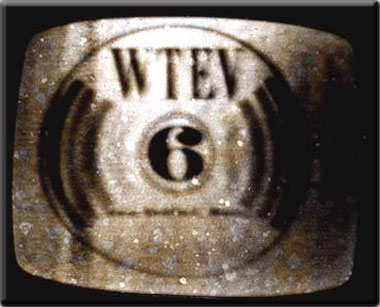
I get the New Year's Eve connection, but the song is usually associated with looking back fondly. WTEV's viewers had nothing WTEV-related to look back fondly at other than the test pattern that preceded this inaugural program.

-
Get involved.
We want your input!
Apply for Membership and join the conversations about everything related to broadcasting.
After we receive your registration, a moderator will review it. After your registration is approved, you will be permitted to post.
If you use a disposable or false email address, your registration will be rejected.
After your membership is approved, please take a minute to tell us a little bit about yourself.
https://www.radiodiscussions.com/forums/introduce-yourself.1088/
Thanks in advance and have fun!
RadioDiscussions Administrators
You are using an out of date browser. It may not display this or other websites correctly.
You should upgrade or use an alternative browser.
You should upgrade or use an alternative browser.
WLNE ABC6 celebrates 60 years on the air today
- Thread starter alg2468
- Start date

I get the New Year's Eve connection, but the song is usually associated with looking back fondly. WTEV's viewers had nothing WTEV-related to look back fondly at other than the test pattern that preceded this inaugural program.
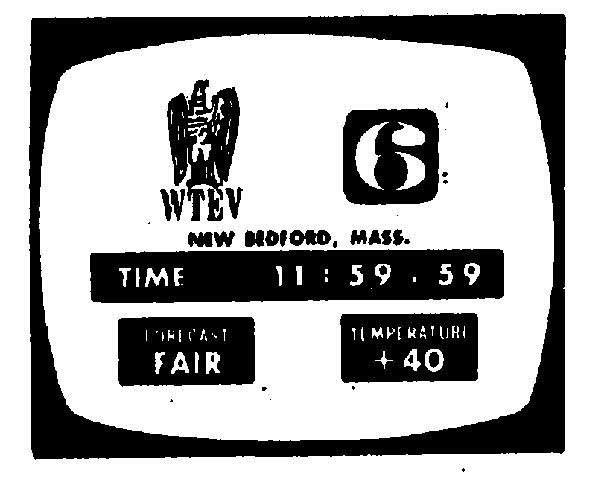
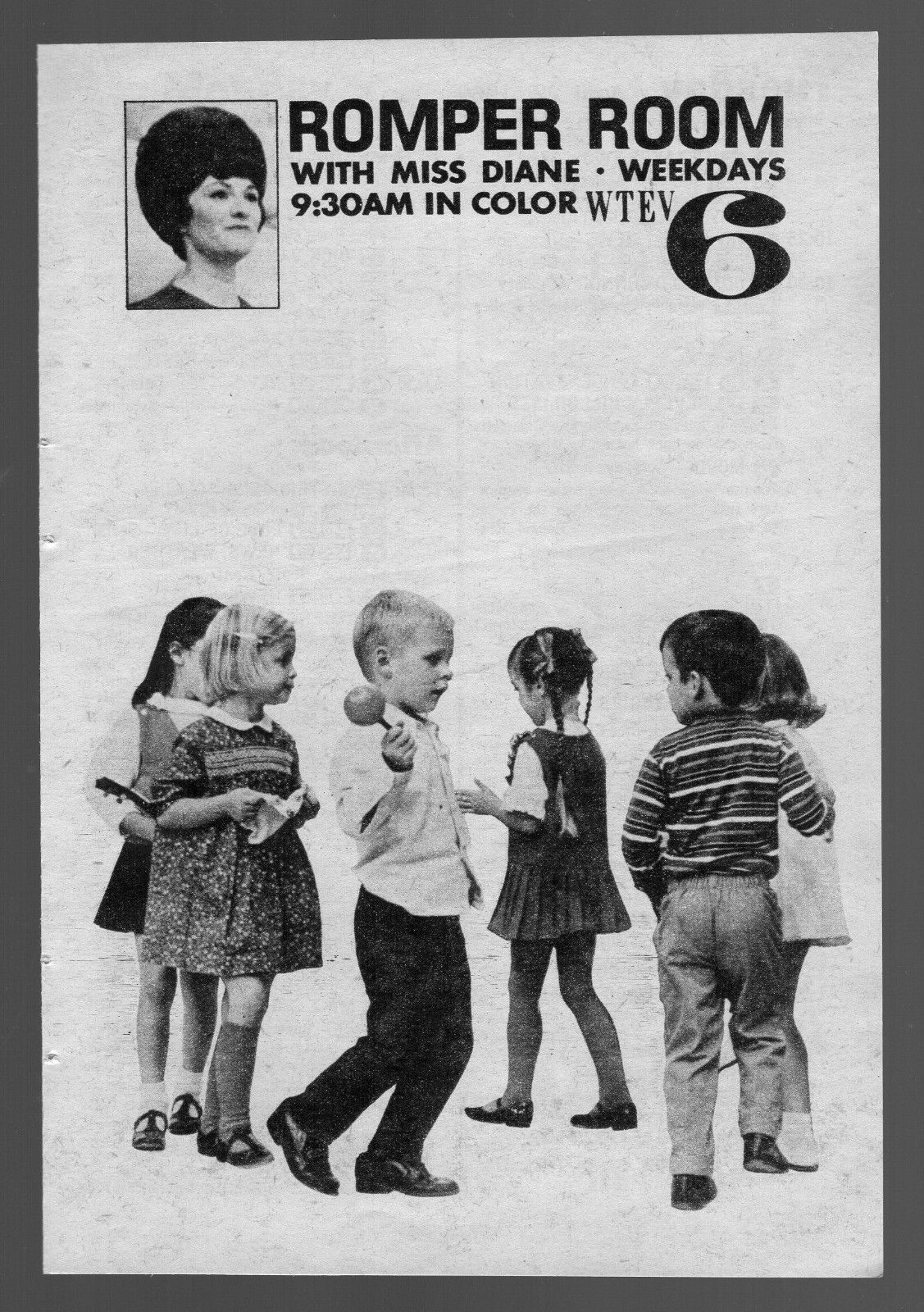
I remember almost nothing about WTEV's early programming. Did Channel 6 have a hosted children's show (audience participation or cartoons) like Channel 12's Salty Brine, Channel 7's Major Mudd, or Rex Trailer's Boomtown on Channel 4? If not, what did it have in the way of in-house programming other than news?

Crazy to think back when WTEV/WLNE-TV Signed on they had to get ABC Shows from WNET-TV Providence or Boston's WHDH-TV and WNAC-TV prior to WTEV Signing on.
What was WNET-TV Providence??Crazy to think back when WTEV/WLNE-TV Signed on they had to get ABC Shows from WNET-TV Providence or Boston's WHDH-TV and WNAC-TV prior to WTEV Signing on.
I remember almost nothing about WTEV's early programming. Did Channel 6 have a hosted children's show (audience participation or cartoons) like Channel 12's Salty Brine, Channel 7's Major Mudd, or Rex Trailer's Boomtown on Channel 4? If not, what did it have in the way of in-house programming other than news?
What was WNET-TV Providence??
History of UHF Television
It was a UHF Station prior to those call letters moving to New York. WNET was originally Providence ABC Affiliate before WTEV took the affiliation.
WPRO-TV's start-up date was delayed for over a year due to some local legal disputes with some Rehoboth town officials; Rehoboth was the original designated site for channel 12's transmitter and antenna, but WPRO-TV's first transmitter site was in Johnston RI. It never operated from there, however, as 1954's Hurricane Carol blew the original tower down, prolonging the sign-on of channel 12 further. Eventually the disputes were settled and WPRO-TV got the OK to move to Rehoboth.
WPRO-TV signed-on with the very popular CBS programming line-up ... and then some. Even though WNET was still the designated ABC affiliate for Providence, the network allowed channel 12 to "cherry-pick" some of ABC's more popular shows like The Mickey Mouse Club, Disneyland and Lawrence Welk. In essence, channel 16 was given the cold-shoulder by its own network, and without the more popular ABC programs to sustain itself and the lack of any quality "off-the-shelf" programming available, channel 16 died a painful death and signed off July 10, 1955. Apparently, nobody even noticed.
But the story did not end there. The license for channel 16 was maintained for nearly 25 years; by 1968 a highly influential Providence court judge named Harold C. Arcaro -- who also owned the controlling interest in Providence radio stations WHIM-AM/FM -- owned 92% of WNET's dark construction permit (he was originally a minority percentage owner), and he apparently had no intention to give up on the station's potential for viablity. The FCC also did not like to delete silent UHF TV stations or construction permits and would accept any reasonable excuse to extend the time to complete construction. Thus the FCC allowed the channel 16 permit to be reissued multiple times over the years. However, on July 31, 1968 the Commission told WNET to give notice to proceed with construction within 30 days or its application for changed facilities would be dismissed, construction permit cancelled, and call letters deleted. WNET's response was unusual, to say the least: it claimed that the "uncertainty" of a proposal by Vision Cable of Rhode Island to carry stations from Boston and Worcester on its system in Providence and surrounding communities prevented it from formulating its future plans. (WPRO-TV joined with WNET in opposing the proposal, and the FCC denied it on December 13, 1968.)
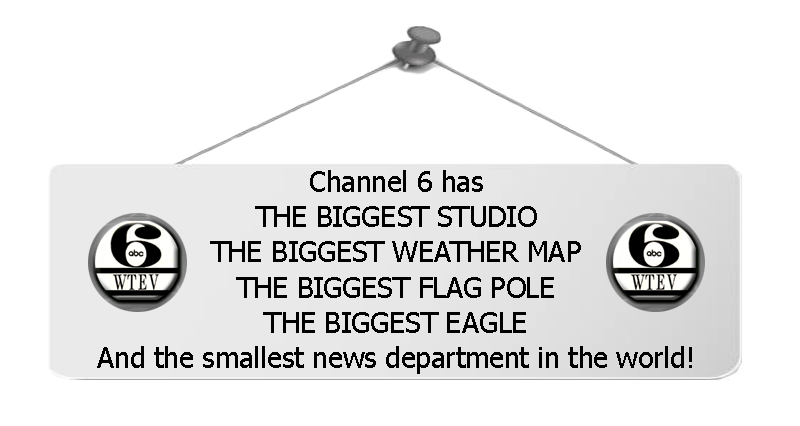
During the final days in New Bedford the staff was a bit snarky
- Status
- This thread has been closed due to inactivity. You can create a new thread to discuss this topic.