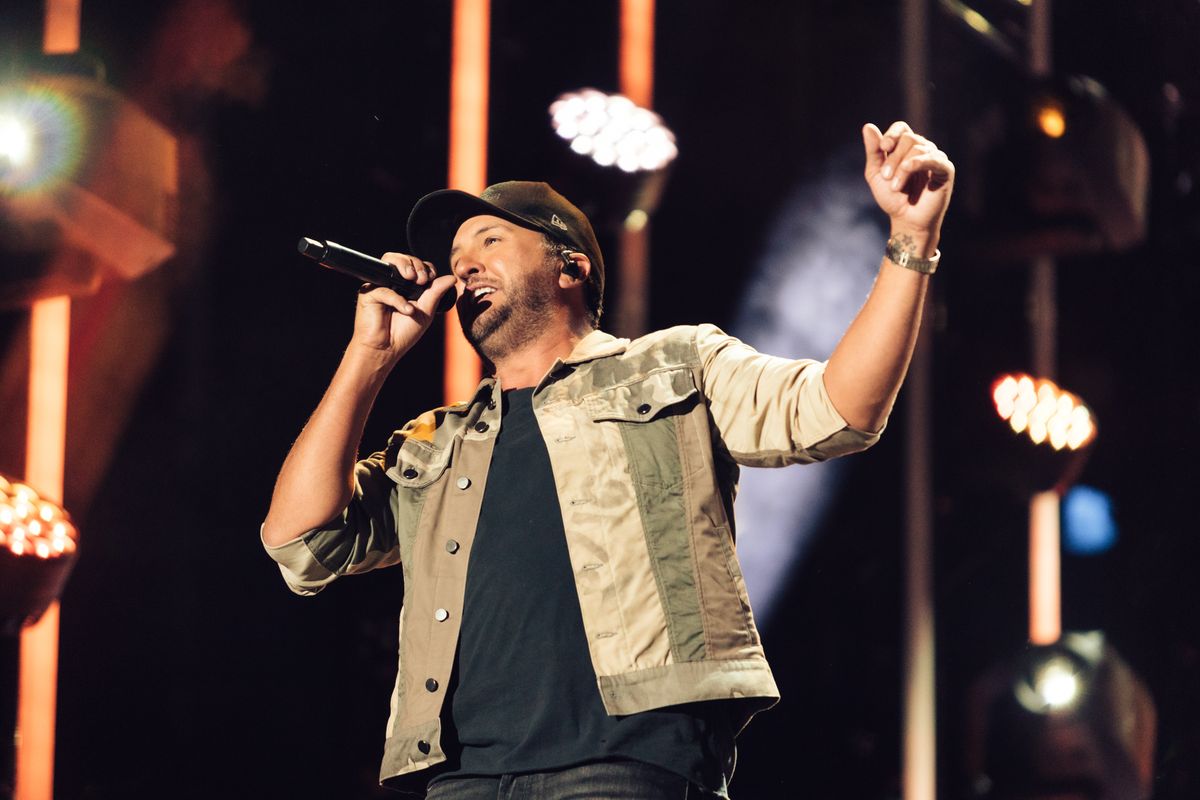
Having just read the lyrics (I haven't heard the song and thankfully will avoid it), it's Redneck gibberish.
No, it is a sense of wanting to be part of a community. In huge cities, that is often lost, replaced by joining in gangs or even groups that go to the gym or Pilates classes together. Heck, even the more recent creation of the "dog park" is a social occasion where you join others and do something together.
The song implies there's no crime in small towns. Right, it's just Mayberry with Andy and Barney in charge. The line in the song "We take care of our own" is chilling. The KKK used to say that phrase.
Crime is everywhere. Some blame it on lack of religious values. Some on the disintegration of the nuclear family. Others on the distancing of the rich and poor and decline of the middle class. Or the huge decline in well paying manufacturing jobs, all reassigned to cheap Asian labor.
But having moved from the second hugest metro in the US to a "little big town" of under a half-million just 100 miles away, the first thing I noticed was the significant absence of crime and greater sense of security. In the big place, people looked down when passing you in the supermarket or Walmart. Here, they smile, often nodding their head in a "hi, hello" gesture.
Same state, same big ethnic population. But a feeling of belonging to the community, not one of anonymous isolation as in "lost in the crowd".
I guess all the drug overdoses, mass shootings, and poverty in rural areas are part of the American Dream of Yesteryear.
In my
n=1 sample, there is a palpable difference. Many of my neighbors, both fulltime residents who came from places like Portland, Seattle, Chicago and Detroit, and the part-timers who have summer homes in Idaho, Montana, Colorado, Manitoba, Saskatchewan and Alberta, have commented on the smaller town feel where "if you don't know them, you know someone who does" atmosphere.
I also noticed it took FOUR people to write that piece of crap. Small town education ain't what it's cracked up to be...
A huge percentage of country songs are collaborative. Nothing new there. In fact, the model is Tin Pan Alley in New York City, the source of a huge percentage of American hits prior to "rock and roll" era.
Tin Pan Alley - Wikipedia