• Get involved.
    We want your input!
    Apply for Membership and join the conversations about everything related to broadcasting.

    After we receive your registration, a moderator will review it. After your registration is approved, you will be permitted to post.
    If you use a disposable or false email address, your registration will be rejected.

    After your membership is approved, please take a minute to tell us a little bit about yourself.
    https://www.radiodiscussions.com/forums/introduce-yourself.1088/

    Thanks in advance and have fun!
    RadioDiscussions Administrators

Seth Myers Drops Band

I guess so much of Myers' show is A Closer Look followed by a few friendly interviews. Other than paying good comedy writers, this show should not be too expensive for NBC. At 12:35, I guess you can cut some expenses without fear of losing your audience.

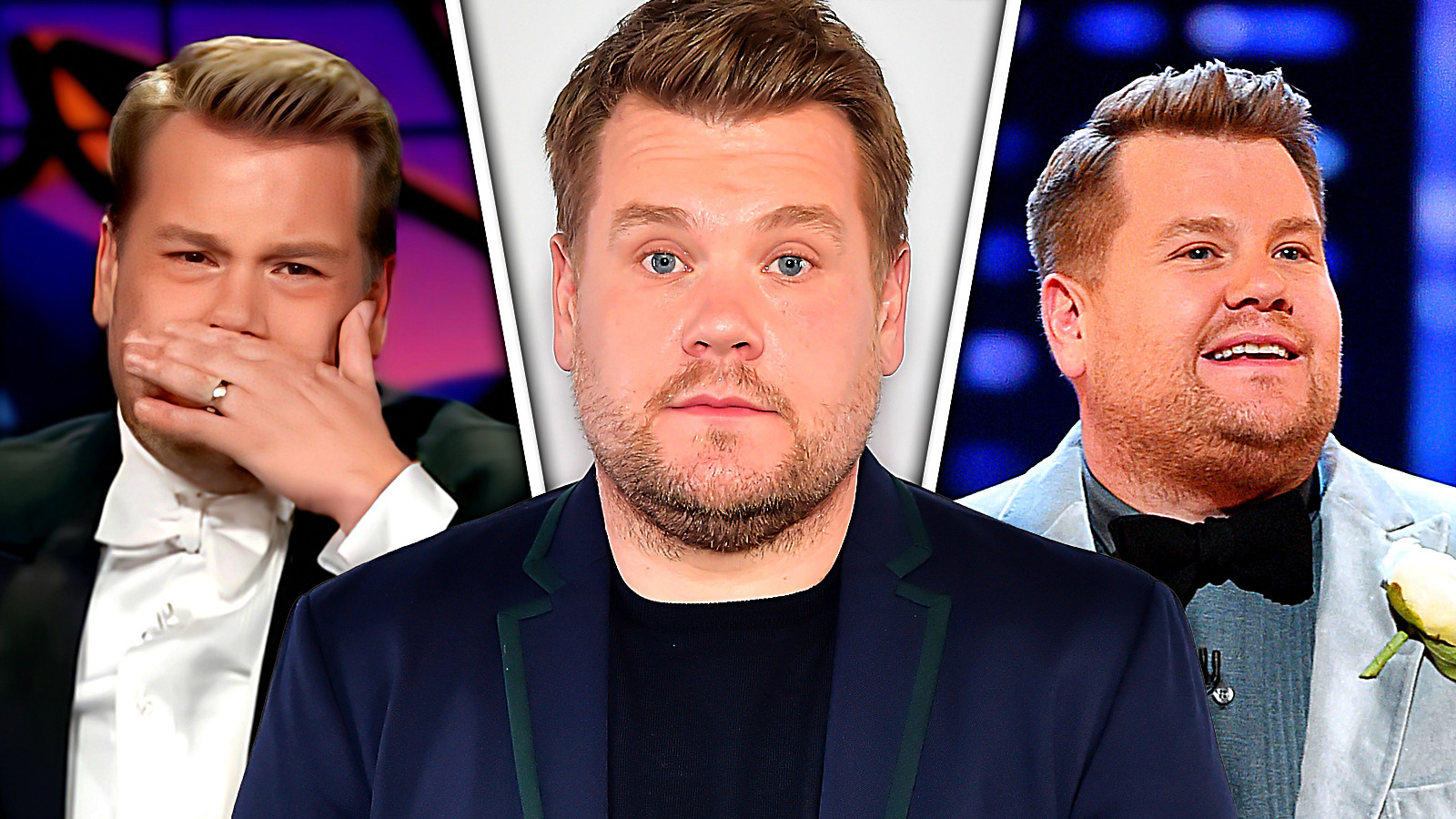
Who knows if a reduced budget may have been a reason for James Cordon walking away from his successful 12:35 show on CBS. His reason, that his kids were growing up in LA and he wanted them growing up in Britain and being close to their grandparents, may have been true. But call me suspicious that wasn't the only reason. Cordon did a lot of things that cost money.
 
The band has agreed to record the opening and closing theme and bumper music for going into and out of breaks, so from a viewer perspective, the show is likely to feel much the same (minus the nightly introduction of that week's guest drummer or a bit with Fred Armisen when he's sitting in).

NBC (at least at 30 Rock and on shows Lorne Michaels oversees) has some old-school stuff. They still use cue cards on SNL, Tonight and Late Night (in fact, the same guy, Wally Feresten, does both SNL and Late Night). I believe Kimmel does, too, at ABC. Colbert at CBS is on prompter.
 
I guess so much of Myers' show is A Closer Look followed by a few friendly interviews. Other than paying good comedy writers, this show should not be too expensive for NBC. At 12:35, I guess you can cut some expenses without fear of losing your audience.
The Tonight Show costs about $2.2M per week to produce, which isn't exactly chump change. Figure Seth's show is probably 2/3 that amount and unique national ad revenue challenges these days have likely put that show officially into the red.
Who knows if a reduced budget may have been a reason for James Cordon walking away from his successful 12:35 show on CBS.
I've heard it was ego, bad press from being thrown out of restaurants, self-importance, and not great ratings.
 
The Tonight Show costs about $2.2M per week to produce, which isn't exactly chump change. Figure Seth's show is probably 2/3 that amount and unique national ad revenue challenges these days have likely put that show officially into the red.

I've heard it was ego, bad press from being thrown out of restaurants, self-importance, and not great ratings.
Supposedly CBS was ready to offer him a big extension and he turned it down.
 
Supposedly CBS was ready to offer him a big extension and he turned it down.
When he was on the Howard Stern Show, Cordon said he loved doing the show and CBS offered him a generous new contract. But he used the "kids growing up in California not Britain" and "aging parents" as the reasons to go back to the U.K. The funny thing is, he's now doing a podcast which is also carried on Sirius XM. I wonder if he's doing that from the U.S. or Britain? I guess he can be in the U.K. even if his guests are in the U.S.

Nobody mentioned the negative things Kelly A said. Of course, neither Stern nor Cordon would bring those issues up. But I think these shows don't just depend on ratings these days. Can they make enough from a combination of network broadcast and You Tube views to justify their budgets? How many young people are watching clips on their phones vs. tuning in to CBS or NBC at 12:35?

Same thing with the Daily Show. Ratings are half what they used to be. But they must be paying Jon Stewart a lot of money to come back. How many watched Trevor Noah or watch Jon Stewart in real time vs. how many watch clips on You Tube or other sources?
 
Same thing with the Daily Show. Ratings are half what they used to be. But they must be paying Jon Stewart a lot of money to come back. How many watched Trevor Noah or watch Jon Stewart in real time vs. how many watch clips on You Tube or other sources?

Depends on what you're comparing it to. "Used to be" covers a lot of territory when talking about a show that's been on for 28 years.

The numbers have been better than any time since Trevor announced he was leaving. Stewart gets the biggest numbers with his weekly Monday appearances (more than 2 1/2 times what the show averaged in 2023), but Tuesday through Thursday (anchored by other Daily Show regulars) are up 29% from last year:

 
The numbers have been better than any time since Trevor announced he was leaving. Stewart gets the biggest numbers with his weekly Monday appearances (more than 2 1/2 times what the show averaged in 2023), but Tuesday through Thursday (anchored by other Daily Show regulars) are up 29% from last year:
I suspect people are watching Stewart for reinforcement and maybe some entertainment, but Stewart now runs much "hotter" than he used to, in my opinion, coming close to the cliché that the character of Howard Beale in Network has become. Stewart gets close to the line but, so far, hasn't crossed it. Stewart still can be funny, and that's his saving grace, but I think he's walking a tightrope.

This was evident to me a couple of weeks ago when Stewart's guest was former congressman Ken Buck. Buck is someone I don't think I would have much agreement with. Even so, he was willing to come on a show where he was bound to be challenged. I respect that, and believe he's a serious person, though I'd certainly never vote for him. Buck is an interesting character, though one who doesn't quite seem to grasp the contradictions between what happened on January 6, 2020 and his ongoing support for Trump as a presidential candidate. Stewart made attempts at exploring those contractions. But here's the problem: Stewart would ask a question, Buck would try to start answering and Stewart would interrupt him. Repeatedly. Buck never got a chance to explain himself. In the end it was less of an interview and more of Stewart prosecuting and preaching.

Colbert can be bad about interrupting his guests, too, especially political ones. But Stewart just stomps all over the conversation. In Buck's case, this went on for half an hour, with the show's total run time that week being about 50 minutes.

No one's going to confuse The Daily Show with Meet the Press or Face the Nation. There's certainly an entertainment component here. Stewart's really good at pointing out the absurd state of public affairs...and the media...in this country. But he's beginning to veer into haranguing and humorlessness. He can probably get away with that in a monologue, but interviewing requires a different approach. If he's not careful, he's going to turn into AM talk radio with a camera.
 
I suspect people are watching Stewart for reinforcement and maybe some entertainment, but Stewart now runs much "hotter" than he used to, in my opinion, coming close to the cliché that the character of Howard Beale in Network has become. Stewart gets close to the line but, so far, hasn't crossed it. Stewart still can be funny, and that's his saving grace, but I think he's walking a tightrope.

This was evident to me a couple of weeks ago when Stewart's guest was former congressman Ken Buck. Buck is someone I don't think I would have much agreement with. Even so, he was willing to come on a show where he was bound to be challenged. I respect that, and believe he's a serious person, though I'd certainly never vote for him. Buck is an interesting character, though one who doesn't quite seem to grasp the contradictions between what happened on January 6, 2020 and his ongoing support for Trump as a presidential candidate. Stewart made attempts at exploring those contractions. But here's the problem: Stewart would ask a question, Buck would try to start answering and Stewart would interrupt him. Repeatedly. Buck never got a chance to explain himself. In the end it was less of an interview and more of Stewart prosecuting and preaching.

Colbert can be bad about interrupting his guests, too, especially political ones. But Stewart just stomps all over the conversation. In Buck's case, this went on for half an hour, with the show's total run time that week being about 50 minutes.

No one's going to confuse The Daily Show with Meet the Press or Face the Nation. There's certainly an entertainment component here. Stewart's really good at pointing out the absurd state of public affairs...and the media...in this country. But he's beginning to veer into haranguing and humorlessness. He can probably get away with that in a monologue, but interviewing requires a different approach. If he's not careful, he's going to turn into AM talk radio with a camera.

Funny---I had the "Howard Beale" thought watching this week's show.

I agree with every one of your points. It's good to have Jon back. But he is pushing way too hard---seems to have lost a lot of his ability to modulate.

I also (and this is purely opinion and speculation) think he's still really pissed off about how the Apple thing ended and that anger's oozing through the screen.
 
I still think Craig Kilborn was better than Jon Stewart hosting The Daily Show. I wish they’d asked him to come back.
That was never gonna happen:

 
I still think Craig Kilborn was better than Jon Stewart hosting The Daily Show. I wish they’d asked him to come back.
That was never gonna happen:
Which, in my opinion, is just as well.

The problem for me with Kilborn is that he was trying to pull off a performance act as a high-privilege smarmy, clueless, bumptious white guy. Jordan Klepper has the same problem. Stephen Colbert was able to pull off his own performance act as a high-privilege sanctimonious, clueless, bumptious white guy. There were a couple of differences. Colbert is extremely talented and was able to give his audience the impression that he was putting one over on the very type of person he was purporting to be. Klepper and Kilborn are simply not at that level. They pretend to be unserious but they come across as if they really are serious, within a context where they're supposed to bring the audience along for the joke.

The other difference is that sanctimony and smarminess are not the same thing. (Sure, they both indicate a sense of unearned superiority, but they can co-exist in the same person. Josh Hawley is the perfect example.) It's probably harder to pull off the pretense of being smarmy compared to pretense of being sanctimonious, at least on advertising-driven TV, where a certain amount of the smarmy is common and longstanding. There was a reason that SCTV's send-up of late night, The Sammy Maudlin Show, hit its target so well.

And Kilborn was followed by Stewart, who was an amped-up version of himself, though not as amped-up as he is now. The Crossfire confrontation was what made Stewart. That wasn't an act. TDS ended up with a different audience as a result.

What also bugs me is the current TDS open. It's essentially imitating a political rally, with an energy level that knocks me back. Maybe that reflects the times we are in, but I think it gets Stewart even more fired-up than he already is.

About Colbert: In my days as a cybersecurity person, I would attend the RSA Conference in San Francisco every year. The conference organizers liked to close with a keynote from someone in the entertainment world, to end a rather intense week on a lighter note. I usually skipped keynotes. Keynotes during the week came to feature high-level tech executives who were largely divorced from the day-to-day reality of the field. The end-of-the-week keynotes usually had little interest for me. But in 2013, that keynote featured Stephen Colbert. I went. He started out with his usual act, having some jokey Q-and-A with the audience. Then someone in the audience asked him about Edward Snowden, who had been charged after leaking classified NSA documents. At first, Colbert stayed in character. But, little by little over the next few minutes, he dropped character, almost imperceptibly, to have a serious monologue about the tensions of having classified documents in a free society and whether Snowden did the right thing. At the time, Colbert seemed to doubt that Snowden was in the right, but he admitted that he was unsure of the facts in the case. That was something his Colbert Report character wouldn't have done. Watching him drop his character like that, in a way that caused one to thing, "hey, he's being serious and thoughtful here!", was an amazing thing to see.

 
About Colbert: In my days as a cybersecurity person, I would attend the RSA Conference in San Francisco every year. The conference organizers liked to close with a keynote from someone in the entertainment world, to end a rather intense week on a lighter note. I usually skipped keynotes. Keynotes during the week came to feature high-level tech executives who were largely divorced from the day-to-day reality of the field. The end-of-the-week keynotes usually had little interest for me. But in 2013, that keynote featured Stephen Colbert. I went. He started out with his usual act, having some jokey Q-and-A with the audience. Then someone in the audience asked him about Edward Snowden, who had been charged after leaking classified NSA documents. At first, Colbert stayed in character. But, little by little over the next few minutes, he dropped character, almost imperceptibly, to have a serious monologue about the tensions of having classified documents in a free society and whether Snowden did the right thing. At the time, Colbert seemed to doubt that Snowden was in the right, but he admitted that he was unsure of the facts in the case. That was something his Colbert Report character wouldn't have done. Watching him drop his character like that, in a way that caused one to thing, "hey, he's being serious and thoughtful here!", was an amazing thing to see.

I was fortunate to have started watching Colbert on Late Show during the pandemic. What we got was a pretty genuine guy---he plays big when he gets on stage and has the audience.

Still, there are interviews where he lets his guard down as much as his guest and those are the best parts of his show. Well, that and the really gonzo introductions to "Meanwhile."
 
Nobody mentioned the negative things Kelly A said.
 
Status
This thread has been closed due to inactivity. You can create a new thread to discuss this topic.


Back
Top Bottom