Years ago I worked under a department head who always raved about the Who Moved My Cheese? book and flogged us with its message of accepting forced change.
{...}
My personal reaction to the book was “What if you have a mouse that hates cheese?”
We were just talking about the modern "Who Moved My Cheese?" thing at work last night.
A couple years ago, it was "Lean Six Sigma" project management training. My company sprang for Linkedin Learning, and I even earned my "White Belt" by sitting through an online course that took up part of an afternoon. To hear one of my managers tell it, some recruiters (at least in the tech space) would hire you on the spot if you'd earned your "Black Belt."
Now? It's...well...the kind of thing that we were chuckling about.
Six Sigma actually has some content to it. It can be a useful tool, particularly for quality control. Probably what happens, though, is that executives who aren't in touch with what's going on farther down the organization latch on to some of its terminology and try to push it as the solution to problems that it wasn't designed to solve.
Six Sigma is less of a fad than some of these other things, but may have lost some credibility due to its misuse in some contexts.
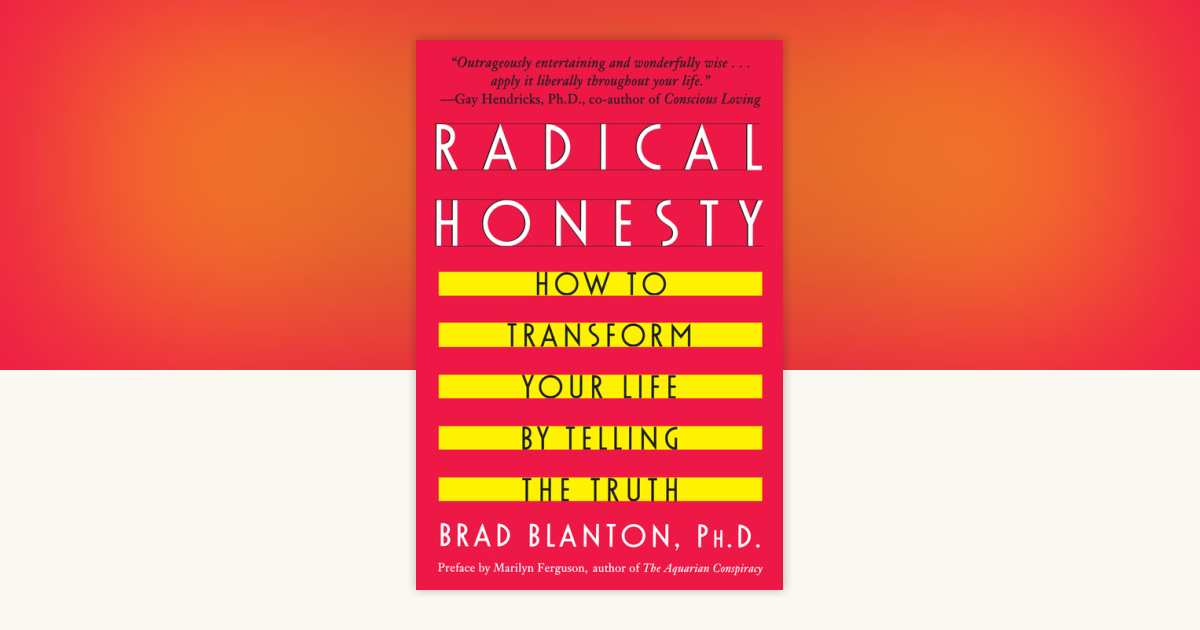
Similar thing at iHeart, when I was there, except the book was "Radical Honesty", which by then was 20 years old:
{...}
This person (a regional President, if I recall) blew into town for a meeting with the cluster and actually handed out copies of the book. I read it and thought "boy, try any of these techniques with that guy or local management and you'll be on the street in a heartbeat."
The general manager at KTRH in Houston when I was there was like that. This was the mid-80s, and the business fad of the time was "In Search of Excellence". This guy was constantly copying pages from the book, scrawling an exclamation or two around the pages, and posting them around the station. Fortunately, for the people at KLOL, those missives never crossed the hallway over to the FM. But "LOL" should have been the reaction to them, had we known about that acronym at the time. Meantime, this GM was always either canning people or encouraging his direct reports to fire them. He claimed to have high standards but did nothing to help people achieve them. Paul Harasim of the Houston Post once tallied up the number of people that KTRH fired in a year's time at this GM's behest. At least ten were listed...and my name was left off the list! The guy who fired me was himself pushed out less than six months later. But this toxic GM stuck around for years.
The thing I learned in my career? Broadcast managers tend to be optimists...probably what helps them succeed as salespeople. But they're also always looking for the shortcut to success, and that makes them vulnerable to these pop philosophy business trends, which will never stop as long as there's a book/lecture/masterclass market for them.
I worked for a guy who always loved to use the phrase "There are no bad ideas." And he'd be less than thrilled when I'd say "Sure there are. You're here because the last guy who had your job had one too many."
Remember all the ads, aimed at sales professionals, for motivational tapes advertised in the back of airline in-flight magazines? (Remember airline in-flight magazines?) They were there for a reason.
Anyhow, there are only four business books I can recommend.
1)
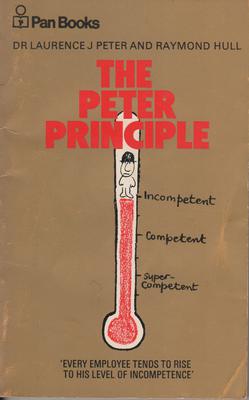
The Peter Principle - Laurence J. Peter - the classic description of the contradictions of corporate life, culminating in the "principle" of eventual promotion of an employee beyond his or her level of competence. Recommendation of a business-fad book is a sure sign of the principle in action.

en.wikipedia.org
2)
Further Up the Organization - Robert Townsend - the guy who rescued Avis from oblivion several decades ago. But the book is timeless, and has been reprinted time and again. It's an uncompromising view into the self-defeating behavior of companies and how to overcome that behavior. Its method of organization is unique, too.
3)
Creativity, Inc. - Ed Catmull - a co-founder of Pixar. Obviously, the book is about creativity, but also about how to pull that off in a corporate structure that can sometimes counteract it. I also found it useful in dealing with a very difficult situation that I had to contend with at one of my employers. My boss at the time recommended it (thanks, Fernando!) and it was a good recommendation.
4)
A**hole Survival Guide - Robert I. Sutton, a Stanford management professor. Self-explanatory...and very funny.
There may be other books out there, but they're drowned out by the faddish books that don't endure. These four, in my opinion, will endure.

www.penguinrandomhouse.com