• Get involved.
    We want your input!
    Apply for Membership and join the conversations about everything related to broadcasting.

    After we receive your registration, a moderator will review it. After your registration is approved, you will be permitted to post.
    If you use a disposable or false email address, your registration will be rejected.

    After your membership is approved, please take a minute to tell us a little bit about yourself.
    https://www.radiodiscussions.com/forums/introduce-yourself.1088/

    Thanks in advance and have fun!
    RadioDiscussions Administrators

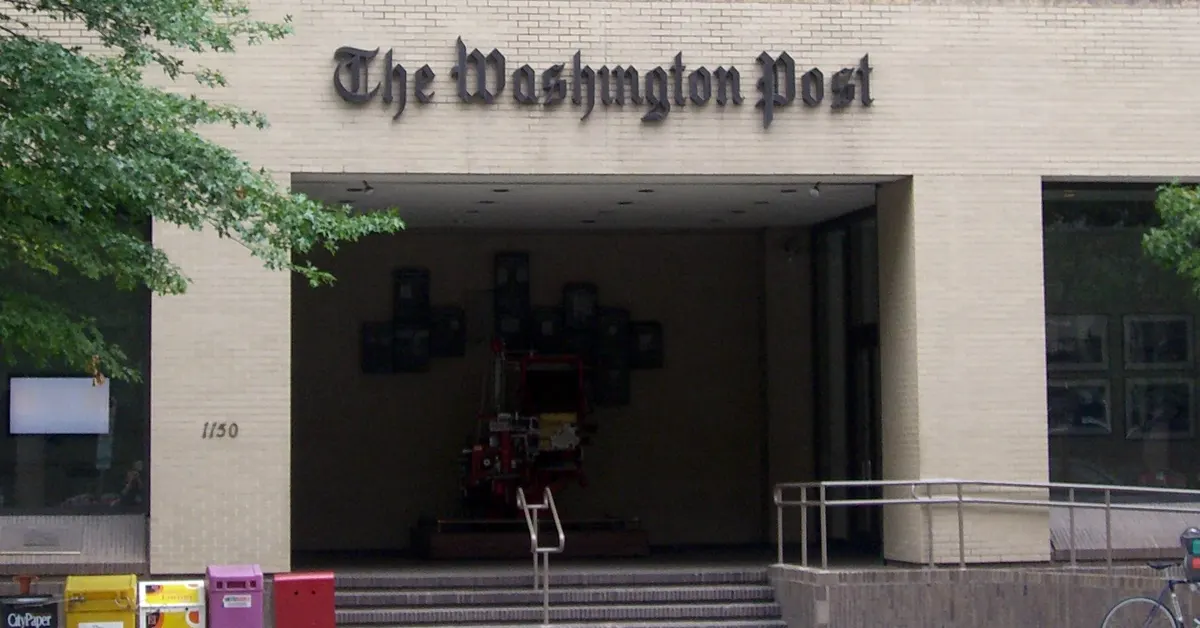
Washington Post could fold entire sports section

Here's another outlet and we mentioned this in the past on why some of the small towns and suburban area lost their local newspaper in the past. Some of that is newer publications like Hoodline and Patch took over an area and be the main news source for the town. I don't know the exact numbers of people going to Hoodline for Washington DC. But it can partially explain why the Washington Post is cutting the Metro section.
 
Here's another outlet and we mentioned this in the past on why some of the small towns and suburban area lost their local newspaper in the past. Some of that is newer publications like Hoodline and Patch took over an area and be the main news source for the town.

Some dispute Hoodline as authentic:

 
There are other opportunities out there.

But they're all strictly online. No actual print publications similar to the Post. Online news doesn't pay well. For the most part, you get paid per piece,

Babylon Bee has other issues:

 
Some dispute Hoodline as authentic:

True too on how Hoodline covered some of the San Francisco stories in AI.

Here its about where are some of the former readers and staff of the Washington Post are going to for metro and national News.

For the National News part New York Times, New York Post, Los Angeles Times, Wall Street Journal and USA Today has to be a factor on who the Washington Posts competition is.

But for Local DC News its between the Washington CityPaper, Washingtonian, City Cast DC and Hill Rag. That's is since Washington Post cut the Metro Division, Sports Division, and International desk. I was wondering where are the readers going given the Washington Post Cuts and the boycott directed at their owner Jeff Bezos is a factor here.


But they're all strictly online. No actual print publications similar to the Post. Online news doesn't pay well. For the most part, you get paid per piece,

Babylon Bee has other issues:

I don't have any problem with the Bee, and I'm neither Christian nor conservative. As the article you link to says, its satire is often directed at Trump and the hypocrisy of some who identify as Christians. The Bee doesn't demonize anyone, at least not in the way ultra-partisan websites do. Its satire is well done, usually just as well as The Onion's.

Incidentally, The Onion does have a print edition and advertises it prominently. At least, I think it has a print edition. I've never tried to subscribe, so for all I know, the print Onion might be just as much of a put-on as its various "columnists" are.
 
I've placed the below link in the CBS thread but I believe it belongs here as well.


If the commentary is accurate, then we are witnessing the weakening of both a commercial newspaper and a national commercial TV network in front of our very eyes.

True and the argument I heard of in other places especially in the CPB funding/shutdown debates is that we had to protect non-profit media to slow down the very things we are seeing with CBS and Washington Post.


Here are some other places where one can find local news content in Washington DC. Yes some of the outlets have existed way before the 2026 cuts at the Washington Post and the boycott of the current owner.
 

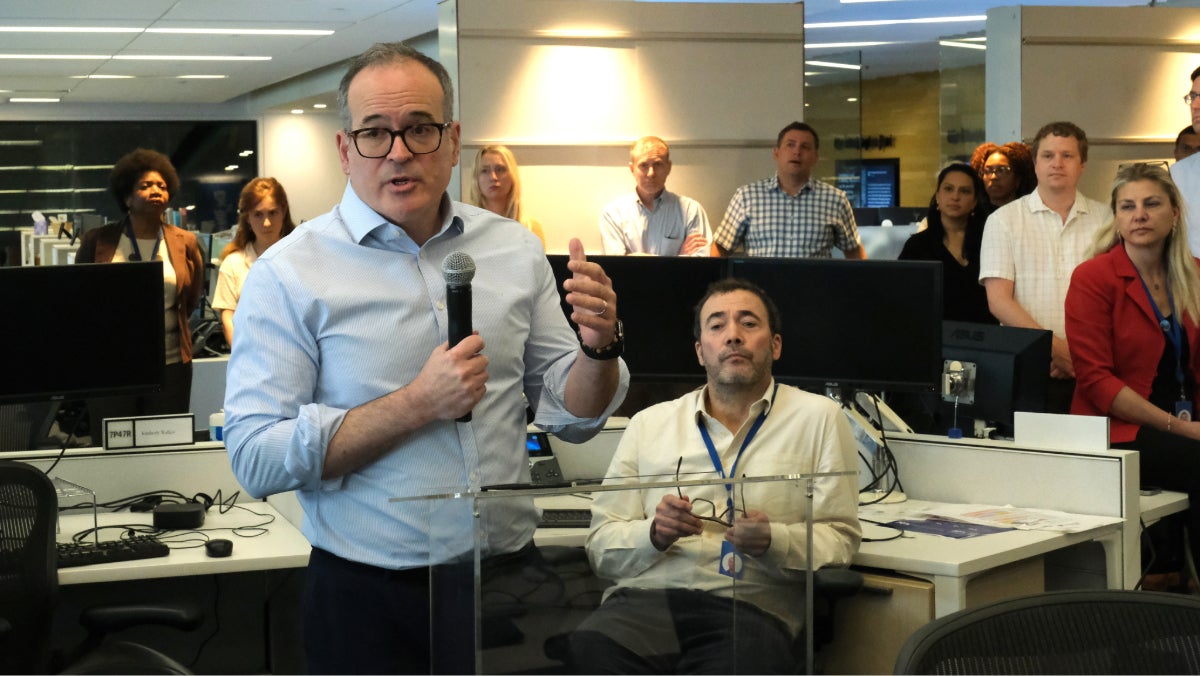
Here is more from the current editor at the Washington Post.


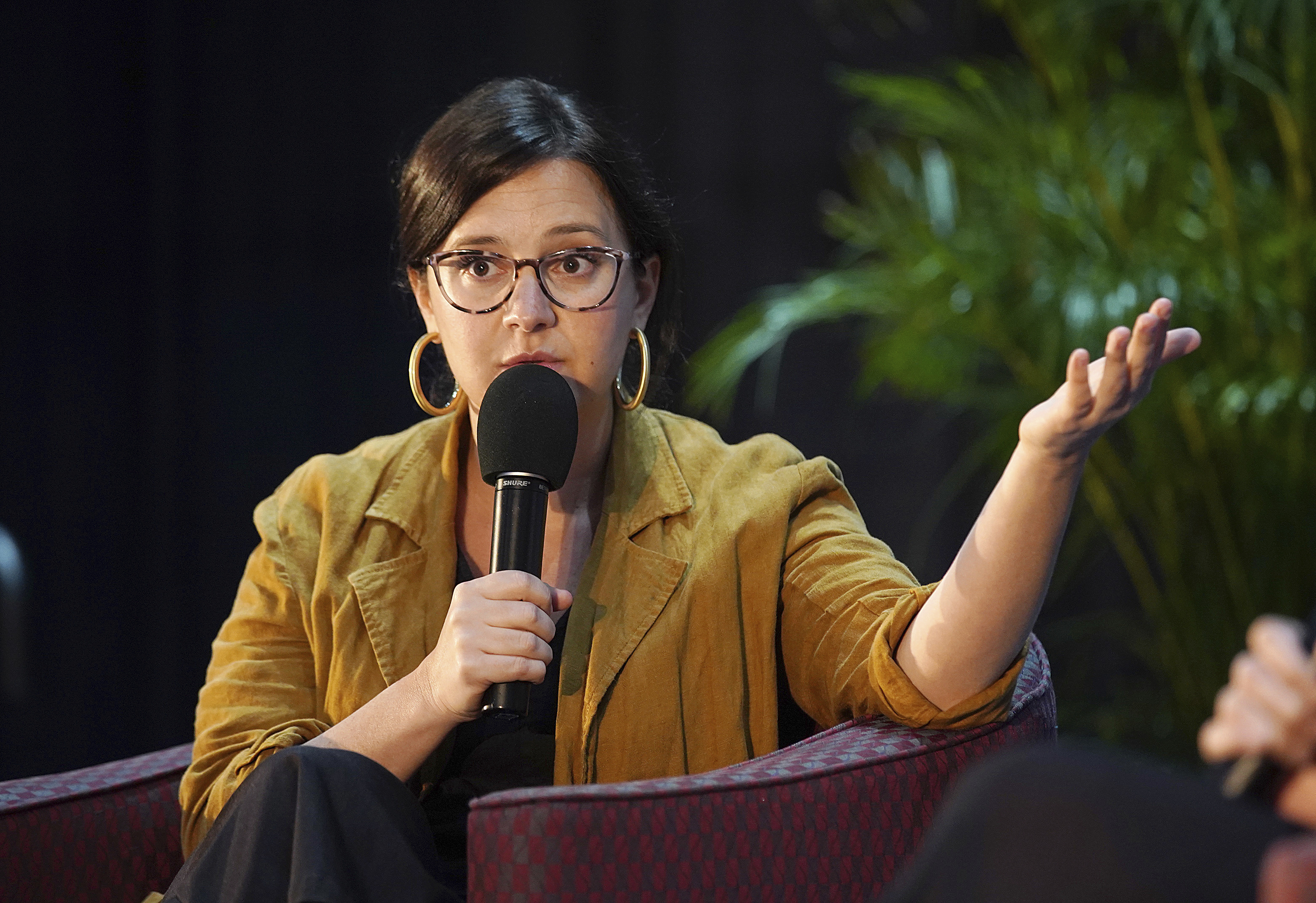
Washington Post executive editor Matt Murray addressed the “human cost” of this month’s mass layoffs during an interview on Wednesday, but stressed that the cuts were necessary to “get the house in order” and allow the Post to grow.

He also said the paper’s billionaire owner Jeff Bezos was “committed to a long-term future for the Post.”


“He’s a believer in fair news,” Murray said about Bezos. “He’s a believer in bringing information out to people. He’s not as interested in sort of serving just the lead audiences, but he wants average people to see news, and what he wants is for us to be relevant and lively in people’s lives.”
 
If your company is spending $100 Million more than they are bringing in, I don't think the staff is the root of the problem. Unless they are paying them far more money than they should be, which I highly doubt.
 
If your company is spending $100 Million more than they are bringing in, I don't think the staff is the root of the problem. Unless they are paying them far more money than they should be, which I highly doubt.

The root of the problem can be seen in the loss of subscribers and inability to transition print subscribers to online. The attraction is the content, and the staff creates that content. So sure, part of the $100 million went to keeping the ancient print distribution system alive. They could shut that down and save a lot of money. But for now, the goal is to build a new subscriber base. We're basically doing the same thing in radio.
 

Here is a segment where the Washington Post has a content deal with Veritone.

Veritone has entered into a multi-year, global content licensing agreement with The Washington Post that will make the news organization’s video journalism available to partners and creators through a structured licensing program.

The deal, announced Thursday, will see Veritone represent the Washington Post’s video content in global licensing markets. The offering will include both current reporting and archival material spanning a range of subjects including politics, culture, health, science and interviews with prominent public figures.

Executives at both companies said the agreement is intended to expand access to the newspaper’s journalism while ensuring the organization maintains editorial oversight and control over how its content is distributed and used.



Back
Top Bottom