• Get involved.
    We want your input!
    Apply for Membership and join the conversations about everything related to broadcasting.

    After we receive your registration, a moderator will review it. After your registration is approved, you will be permitted to post.
    If you use a disposable or false email address, your registration will be rejected.

    After your membership is approved, please take a minute to tell us a little bit about yourself.
    https://www.radiodiscussions.com/forums/introduce-yourself.1088/

    Thanks in advance and have fun!
    RadioDiscussions Administrators

Trump to PBS and NPR: I’m cutting you off…


PBS News Weekend signs off for Good and John Yang leaves WETA-TV as part of the cut.

It’s being replaced by two different shows, one on Saturdays and one on Sundays:


Here is the current status on Arkansas TV as parts of the state fight to provide the Arkansas with PBS affiliation.
 

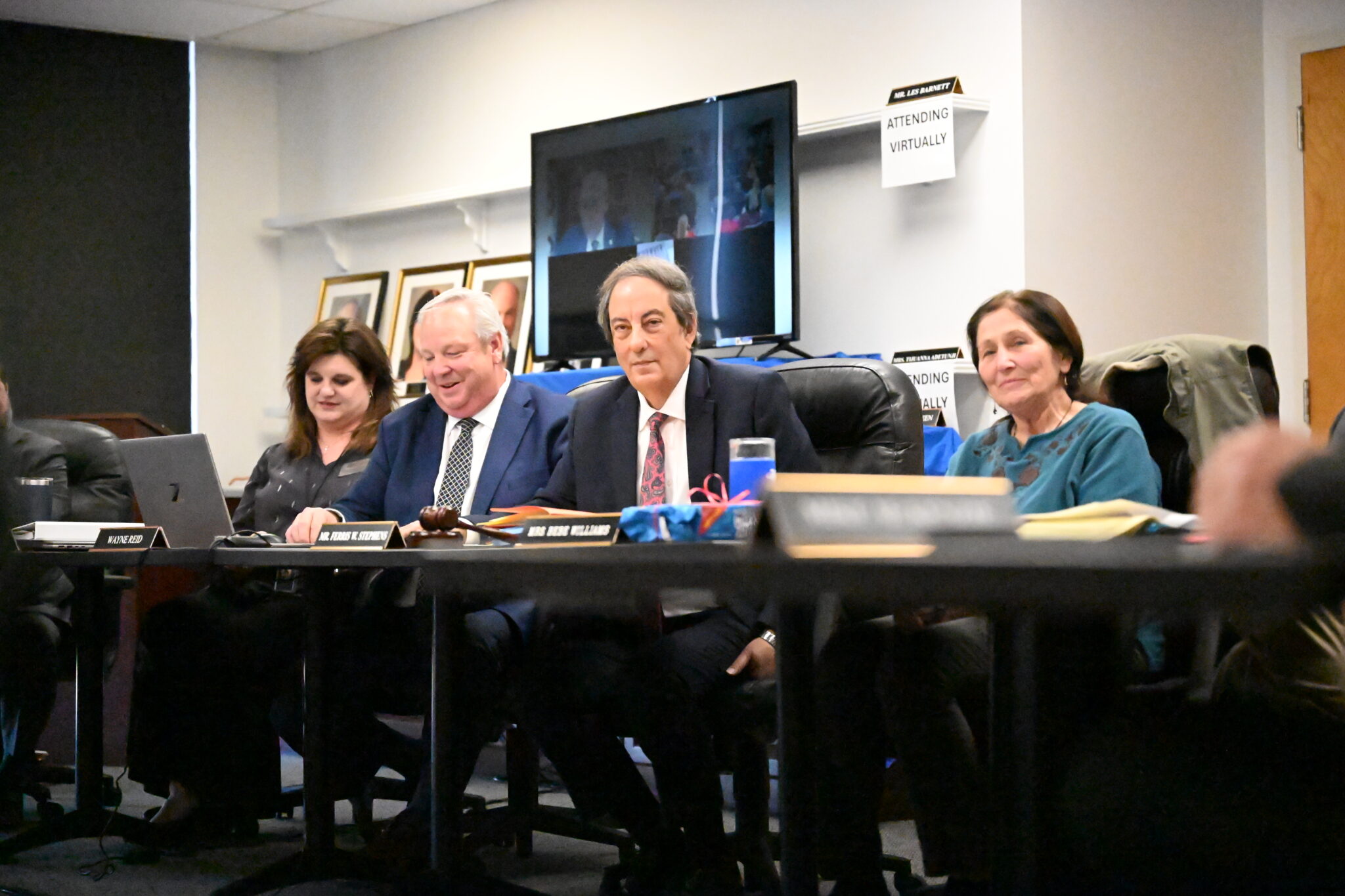
Here is the meeting between Arkansas TV management and the CEO of PBS about their affiliation in the state.

Arkansas TV CEO Carlton Wing, who assumed the role in September, again said Thursday that the station could not afford to pay more than $2 million in PBS dues. Only PBS member stations can purchase PBS programs, and the station used about half of a $2.5 million community service grant for this purpose before CPB shuttered.

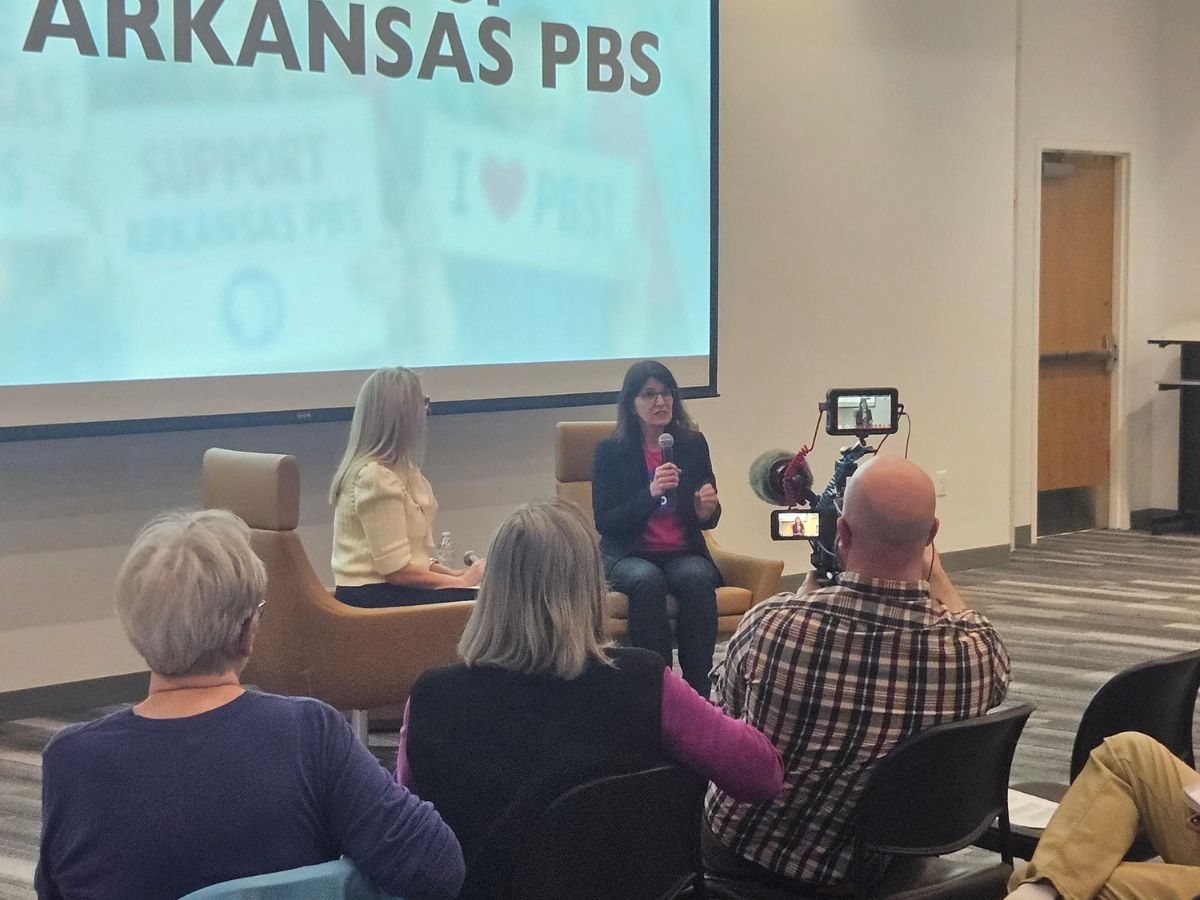
PBS CEO Paula Kerger told the commission it needed to consider all its options and hear from the public before making PBS programs unavailable over the air, especially to rural parts of Arkansas with poor broadband access. Opponents who spoke also included former Arkansas first ladies Gay White and Barbara Pryor, who co-chair a group formed to oppose the disaffiliation.

About 20 people spoke at the meeting, the first time commissioners could remember anyone signing up for the public comment portion of its meeting. People with signs supporting PBS filled an overflow space in the Allen Weatherly Atrium.
 
Only PBS member stations can purchase PBS programs, and the station used about half of a $2.5 million community service grant for this purpose before CPB shuttered.

This is an improper use of the community service grant. That money was never intended to pay for PBS. It was granted to the station for service to the local community. That's why it's called a Community Service Grant. In other words, hiring local staff or buying local studio equipment. Not paying for PBS.

Membership money is supposed to be used to pay for PBS. The stations say that on the air when they fundraise. They tell the viewers that they are paying so they can watch these TV programs from PBS. So what the state of Arkansas did was commit fraud. They fraudulently told their viewers to become members, and used their money for other things. Now they're taking away PBS programming from the very people who paid for it. The viewers of Arkansas Public TV should sue for fraud.
 
This is a separate issue from the recission of CPB funds, because that was done by Congress. After that, CPB disbanded. That came up during the hearing:

The judge agreed with government attorneys that some of the news outlets’ legal claims are moot, partly because the CPB no longer exists.

“But that does not end the matter because the Executive Order sweeps beyond the CPB,” Moss added. “It also directs that all federal agencies refrain from funding NPR and PBS — regardless of the nature of the program or the merits of their applications or requests for funding.”

By other federal agencies, that would mean FEMA or the National Endowment for the Arts & Humanities.

My expectation is that if this ruling is upheld, there would be litigation over the CPB recission, because the president used the same argument in his request to rescind funding. If that argument is unconstitutional, it throws out the entire justification.
 
Last edited:
And if the Gov't has to fund PBS..then they will have a say on what PBS will be showing.

Read the public broadcasting act. Congress was very concerned about government control of PBS.

The "say" that the government has was spelled out in the act. Part of that is the president has no role.

BTW, the ruling doesn't require the refunding of CPB. That's a congressional action. This is aimed at various agencies. So FEMA funds the emergency broadcasting that NPR & PBS do. There's nothing controversial there. Other agencies issue grants to NPR & PBS. The rules over how that money is spent is spelled out in the grant. PBS is an independent company that receives money from lots of places, not just the government.
 
Last edited:
This just in…
This is likely to be appealed, not because it has any practical effect, since Congress rescinded, and won't restore, CPB funding, but to get an objective court to review this which didn't happen at this level.

Nothing changes, there just may be more court action on this. CPB is dead and buried. PBS really needs to focus on fundraising and continuing to optimize their operation to align with the funding they do have.
 
My expectation is that if this ruling is upheld, there would be litigation over the CPB recission
There will be no successful litigation in this regard because Congress, which Constitutionally controls the funding, voted to rescind it and not to include it in a subsequent fiscal year appropriation.
 
This is likely to be appealed, not because it has any practical effect, since Congress rescinded, and won't restore, CPB funding, but to get an objective court to review this which didn't happen at this level.

Of course there will be an appeal. There is no such thing as an "objective court," according to this president. When the supreme court ruled against him in the tariff case, he attacked them as being corrupt, disloyal, and unfair. That's the way he sees it. Courts are good when they rule in his favor. They're bad when they don't. The media is fake when it doesn't report what he wants. Regardless of who it is. He's welcome to his opinions. But he can't use his office to restrict free speech.

As the Supreme Court and D.C. Circuit have observed on more than a dozen occasions, the government ‘may not deny a benefit to a person on a basis that infringes his constitutionally protected . . . freedom of speech even if he has no entitlement to that benefit.’


Back
Top Bottom