• Get involved.
    We want your input!
    Apply for Membership and join the conversations about everything related to broadcasting.

    After we receive your registration, a moderator will review it. After your registration is approved, you will be permitted to post.
    If you use a disposable or false email address, your registration will be rejected.

    After your membership is approved, please take a minute to tell us a little bit about yourself.
    https://www.radiodiscussions.com/forums/introduce-yourself.1088/

    Thanks in advance and have fun!
    RadioDiscussions Administrators

A Paul Harvey long time advertiser files for bankruptcy

It wasn't just Paul Harvey. They were a big advertiser for adult formats, including sports. Pat Summerall was one of their regular spokesmen. True Value and Ace were once the big dogs. Now its Home Depot and Lowes.

 
Question: is the TrueValue advertising done by the distributor or by an association of the stores? The stores are not bankrupt.

Unlike the big box hardware stores, TrueValue everywhere I have lived actually has knowledgeable people on staff.
 
Locally, the number of TrueValue stores near me in Kentucky has dwindled to nearly nothing. Their web site says there is one store within 50 miles, across the state line in Indiana.

I'd love to read about the collapse of TrueValue in a magazine type feature. I feel that there is more to the story. Specifically, what drove away the local store owners? For example, did TrueValue charge a higher fee for the brand name than Ace or Do It Best? Was TrueValue's merchandising program inferior?

I think TrueValue had a pretty flexible co-op program for franchisee advertising. A number of the small stations I've worked for had the local TrueValue retailer as a client -- but this would have been many years ago.
 
Locally, the number of TrueValue stores near me in Kentucky has dwindled to nearly nothing. Their web site says there is one store within 50 miles, across the state line in Indiana.

I'd love to read about the collapse of TrueValue in a magazine type feature. I feel that there is more to the story. Specifically, what drove away the local store owners? For example, did TrueValue charge a higher fee for the brand name than Ace or Do It Best? Was TrueValue's merchandising program inferior?

I think TrueValue had a pretty flexible co-op program for franchisee advertising. A number of the small stations I've worked for had the local TrueValue retailer as a client -- but this would have been many years ago.
There are a few TrueValue stores in the KC area, and one in Lawrence, but I’ve never been to any of them.
 
Locally, the number of TrueValue stores near me in Kentucky has dwindled to nearly nothing. Their web site says there is one store within 50 miles, across the state line in Indiana.
There are a dozen or so TrueValue stores in Arizona, all in mostly rural areas save for 5 in metro Phoenix (Mesa, Chandler, Sun City, Sun City West, and Apache Junction). The Mesa store is on the opposite side of town from me. None are in Phoenix, Tempe, Scottsdale, or Glendale.

I thought the whole TrueValue chain had gone belly up years ago. In my 30 years here in metro Phoenix, I've never lived anywhere near one. Out of sight, out of mind.

We have an Ace Hardware store in NE Mesa that is very good, and stocks hardware that isn't available at my local Home Depot or Lowe's. They are also far more helpful than the glorified lumber jockeys at the two big-box stores. They are a bit more expensive, though.
 
There are a dozen or so TrueValue stores in Arizona, all in mostly rural areas save for 5 in metro Phoenix (Mesa, Chandler, Sun City, Sun City West, and Apache Junction). The Mesa store is on the opposite side of town from me. None are in Phoenix, Tempe, Scottsdale, or Glendale.

I thought the whole TrueValue chain had gone belly up years ago. In my 30 years here in metro Phoenix, I've never lived anywhere near one. Out of sight, out of mind.

We have an Ace Hardware store in NE Mesa that is very good, and stocks hardware that isn't available at my local Home Depot or Lowe's. They are also far more helpful than the glorified lumber jockeys at the two big-box stores. They are a bit more expensive, though.
Their Ace Rewards program is good, they’ll send you a bunch of coupons in the mail and/or automatically load them on your account on the Ace Rewards app a few times a year, and it’s free.
 
Last edited:
Our local True Value on Vashon island WA, Switched to Ace about 5-6 years ago. There is a True Value in West Seattle and Tacoma on the way to Pt Defiance Ferry.
 
I worked at a True Value hardware store in the 80's and 90's until I got into IT. It was older and I think now it would be a great candidate to be explored by a show like American Pickers. It was over 100 years old and the owner at the time I was there passed away. His son ran it for a few more years but has passed away now as well. The store is still sitting there with a lot of stock still in it.
 
There's a TrueValue store about 5 minutes away.

In general, I find them not too different than the Ace 10 minutes in the opposite direction, aside from the following:
  • The TrueValue store's layout is a bit better, and it feels roomier as a result (it's also got a second floor, so their merchandise is more spread out),
  • The Ace store has better parking, and
  • TrueValue is slightly cheaper for some things (for example, an electric pressure washer was for sale at $189 at TrueValue, whereas the same (or very similar) item is well over $200 at Ace)
Both stores offer a much better shopping experience than Home Depot or Lowe's (HD does play a nice soft rock/yacht rock/soft AC sound track, which is probably one of the few aspects of shopping there that I actually enjoy).

c
 
When I first saw the thread topic, I thought “Is AYDS still around?”😵‍💫😳🤣
Only as a case study in Harvard Business Review. For those who don't know, AYDS was a diet candy that used to be advertised on the radio. I remember hearing their ads on Satellite Music Network's "StarStation" format in the early eighties. The name is pronounced the same as the disease AIDS, which was starting to kill people but hadn't really broken much into mainstream awareness.

But as AIDS started getting more news coverage, I remember thinking that AYDS diet candies really needed to be proactive and change their name -- because having a diet product that shared a name with a fatal disease that caused wasting among its multitude of horrid symptoms just didn't seem like a winning strategy.

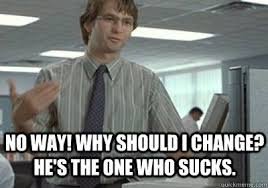
A couple years later, I saw an article where an executive from the company was quoted as saying something like "Let the disease change its name."

A few years after that, the product was discontinued.
 
But as AIDS started getting more news coverage, I remember thinking that AYDS diet candies really needed to be proactive and change their name -- because having a diet product that shared a name with a fatal disease that caused wasting among its multitude of horrid symptoms just didn't seem like a winning strategy.

A couple years later, I saw an article where an executive from the company was quoted as saying something like "Let the disease change its name."

A few years after that, the product was discontinued.
That executive’s name? Michael Bolton.
IMG_1648.jpeg
 
Only as a case study in Harvard Business Review. For those who don't know, AYDS was a diet candy that used to be advertised on the radio. I remember hearing their ads on Satellite Music Network's "StarStation" format in the early eighties. The name is pronounced the same as the disease AIDS, which was starting to kill people but hadn't really broken much into mainstream awareness.

But as AIDS started getting more news coverage, I remember thinking that AYDS diet candies really needed to be proactive and change their name -- because having a diet product that shared a name with a fatal disease that caused wasting among its multitude of horrid symptoms just didn't seem like a winning strategy.

A couple years later, I saw an article where an executive from the company was quoted as saying something like "Let the disease change its name."

A few years after that, the product was discontinued.

It's a little more complicated than that.

When the disease first began showing up in the U.S. in 1981, based on its prevalance among men who have sex with men, it was called, colloquially, "Gay Cancer", and even among medical professionals, the first term was GRID (Gay-Related Immune Deficiency).

AYDS diet candy had been on the market since 1937, and was at its sales peak in the 1970s and 1980s. The ads were all over radio and TV in those years. Here's a spot from 1981:


In September of 1982, the Centers for Disease Control, learning that GRID could transfer by other than sexual means (blood transfusions), re-named it Acquired Immune Deficiency Syndrome. That produced the acronym AIDS, and given that one of the effects of the disease was withering away, the association was more damaging than just the common name.

Yeah, the AYDS candy folks could have sued the CDC, but those were the good guys trying to raise understanding and save lives, and that's trouble nobody wants.

 
It's a little more complicated than that.

When the disease first began showing up in the U.S. in 1981, based on its prevalance among men who have sex with men, it was called, colloquially, "Gay Cancer", and even among medical professionals, the first term was GRID (Gay-Related Immune Deficiency).

AYDS diet candy had been on the market since 1937, and was at its sales peak in the 1970s and 1980s. The ads were all over radio and TV in those years. Here's a spot from 1981:


In September of 1982, the Centers for Disease Control, learning that GRID could transfer by other than sexual means (blood transfusions), re-named it Acquired Immune Deficiency Syndrome. That produced the acronym AIDS, and given that one of the effects of the disease was withering away, the association was more damaging than just the common name.

Yeah, the AYDS candy folks could have sued the CDC, but those were the good guys trying to raise understanding and save lives, and that's trouble nobody wants.
Indeed. Suing to get the name of a disease changed because it sounds the same as your diet product would create the sort of publicity no amount of money could buy. The problem for them is that it all would have been bad publicity.

Once Rock Hudson's AIDS diagnosis became public, the countdown for AYDS Diet Candies began --- how fast and how effectively could they do damage control. And the answer turned out to be that the company's management instead chose to bury their heads.
 
Status
This thread has been closed due to inactivity. You can create a new thread to discuss this topic.


Back
Top Bottom