
True yes PBS still do educational content via PBS Kids, NOVA and Nature too. It's true too and more attention directed at the PBS app.I try to stay out of your way, but the last couple of days you've been doing non-sequiturs.
PBS still does educational content---where it always has, in mornings. Newshour, Frontline and local editions have always been evening shows.

-
Get involved.
We want your input!
Apply for Membership and join the conversations about everything related to broadcasting.
After we receive your registration, a moderator will review it. After your registration is approved, you will be permitted to post.
If you use a disposable or false email address, your registration will be rejected.
After your membership is approved, please take a minute to tell us a little bit about yourself.
https://www.radiodiscussions.com/forums/introduce-yourself.1088/
Thanks in advance and have fun!
RadioDiscussions Administrators
You are using an out of date browser. It may not display this or other websites correctly.
You should upgrade or use an alternative browser.
You should upgrade or use an alternative browser.
Can you tell me how to look for a new home for “Sesame Street?”
- Thread starter only1moore
- Start date

So might the parents of those 2-5 year olds, as they were *the* kids that were watching those episodes 30 and 40 years ago.
The math is falling apart rapidly here.
My response---which was sarcastic---was to this:
'Sesame Street' is a miserable show anymore. They need to go back to what it was like in the 1970s.
That's 50 years ago, and darn few people in their 50s have 2-5 year olds. The vast majority of parents of toddlers are under 40.

As a first generation Sesame Street viewer (born 1972), I have to wonder what the OP thought Sesame Street looked like back then?The math is falling apart rapidly here.
My response---which was sarcastic---was to this:
That's 50 years ago, and darn few people in their 50s have 2-5 year olds. The vast majority of parents of toddlers are under 40.
It was a very gritty show, much more specifically New York City than it became in later years.
I'm not sure how you define "less miserable," but early 1970s Sesame Street was anything but full-time bright colors and sunshine and rainbows. Go back and watch!

Because audiences 50 years apart always like the same thing in the same way.'Sesame Street' is a miserable show anymore. They need to go back to what it was like in the 1970s.
Good lord, it’s true to the original vision as it always has been.
That last part about public broadcasting receiving appropriations is becoming a question mark with the new administration forthcoming, which would make things more difficult for “Sesame Street’s” future even if Sesame Workshop finds a partner in order to make it available over the air.The Sesame Street deal with HBO Max was for first-run shows. After they air on Max, they're available on PBS. The morning block on most PBS stations is called PBS Kids. They run a number of kids shows, including Sesame Street. I imagine any deal Sesame Street makes after Max will also include PBS in some way. PBS Kids is also available as a streaming channel and a YouTube channel.

If you click on the link, go to videos, and you'll be able to watch Sesame Street videos.
They continue the linear broadcast of Kids for families that don't have access to internet, cable, or other pay TV services. That's part of the budget, and why public TV receives a congressional appropriation.

That last part about public broadcasting receiving appropriations is becoming a question mark with the new administration forthcoming, which would make things more difficult for “Sesame Street’s” future even if Sesame Workshop finds a partner in order to make it available over the air.
Two percent of public broadcasting funding comes from government appropriations.
Wasn’t all that gritty when I watched it, and even to this day still has a following with adults so it can’t be that miserable. BTW they were reflecting what was in sync with the current era (at the time). But then again times do change which was the reason I referenced the old school “Sesame Street” DVD set.As a first generation Sesame Street viewer (born 1972), I have to wonder what the OP thought Sesame Street looked like back then?
It was a very gritty show, much more specifically New York City than it became in later years.
I'm not sure how you define "less miserable," but early 1970s Sesame Street was anything but full-time bright colors and sunshine and rainbows. Go back and watch!
That last part about public broadcasting receiving appropriations is becoming a question mark with the new administration forthcoming, which would make things more difficult for “Sesame Street’s” future even if Sesame Workshop finds a partner in order to make it available over the air.
My take on that is the reason Sesame Street does all the commercial deals like Max and merchandise deals with stores is so they can also offer the show for PBS. That is core to who they are, and they don't want money to be a reason why kids can't watch Sesame Street. I'm sure this will be a big part of the appropriation discussion.
Two percent of public broadcasting funding comes from government appropriations.
However, 2/3rds of CPB money goes to public TV stations and the satellite interconnection system. So it will be a complicated debate once they start discussing it. There are a lot of new people in congress who don't realize their states get money from CPB, and their states own public TV stations. Once they realize the local impact their decision makes, it might change their views. A lot of red states receive more from CPB than they pay in taxes. Also, I read a lot of comments from people who say PBS isn't necessary because of all the children's options on cable and streaming. But they cost money, and not everyone has access to pay TV. That's why funding for PBS is still important. Not everyone in this country can afford to pay for TV.

Sesame Workshop (formerly Children's Television Workshop) owns the show.So who owns Seseame Street? I assumed it was licensed to PBS from Children's Television Workshop.
For the last several years, episodes debuted on HBO/HBO Max and later appeared on PBS.
So who owns Seseame Street? I assumed it was licensed to PBS from Children's Television Workshop.
CTW became Sesame Workshop in 2000.
I’m old school that’s how I always remember it.CTW became Sesame Workshop in 2000.
The article says PBS licenses the show to HBO. Is it a sub license or is PBS a co owner?
Here is an analysis piece from Current, a news service for public broadcasters:
 current.org
They say it's part of a strategic move by Max towards adult programming rather than children. The article says they have a couple years left in their agreement, so they have time to chart their next course.
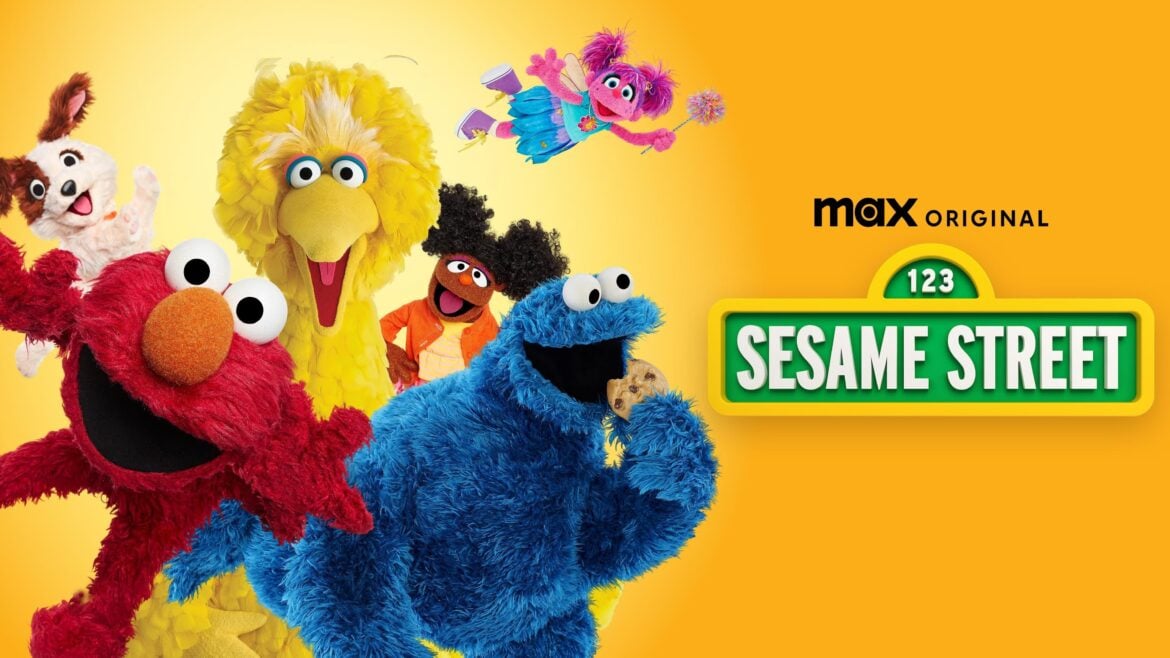
Sesame Workshop eyes ‘new distribution plan’ as Warner Bros. Discovery ends contract
The “Sesame Street” producer has partnered with HBO since 2016.
current.org
They say it's part of a strategic move by Max towards adult programming rather than children. The article says they have a couple years left in their agreement, so they have time to chart their next course.
2025 is not much time left.Here is an analysis piece from Current, a news service for public broadcasters:
Sesame Workshop eyes ‘new distribution plan’ as Warner Bros. Discovery ends contract
The “Sesame Street” producer has partnered with HBO since 2016.
They say it's part of a strategic move by Max towards adult programming rather than children. The article says they have a couple years left in their agreement, so they have time to chart their next course.
And Kermit the Frog was a major part of the show back then. I've seen clips of 1970s-1980s Sesame Street. Nothing like the current generation. Elmo hadn't even been introduced yet. Yet, it was a landmark example of how television could help toddlers and preschoolers in counting, literacy, and letter development (at least in moderation). ESPECIALLY in very poor communities and in minority populations. And it still does, in a way that reaches Gen Alpha children (who have 4.32 second attention spans).As a first generation Sesame Street viewer (born 1972), I have to wonder what the OP thought Sesame Street looked like back then?
It was a very gritty show, much more specifically New York City than it became in later years.
I'm not sure how you define "less miserable," but early 1970s Sesame Street was anything but full-time bright colors and sunshine and rainbows. Go back and watch!
Elmo was introduced as a background character in 1980 and became more prominent when Kevin Clash took over the role in 1985:And Kermit the Frog was a major part of the show back then. I've seen clips of 1970s-1980s Sesame Street. Nothing like the current generation. Elmo hadn't even been introduced yet.
Elmo - Wikipedia
All I can say is I hope it's not Disney+. And I agree with what someone said earlier, the show really is not the same as it used to be. In fact, I don't even think I care if they do anymore new episodes, but I wish they would release more classic episodes. I heard that Max still has the rights to the classic episodes, which is ironic, since they DID have a whole bunch of them, but back in 2022 when they merged with Discovery, they pulled most of them. And I feel like Disney is always very protective of all their material. It would be nice if a PlutoTV channel or a Roku channel had classic episodes, since there is one that has Mister Rogers, and some other classic PBS kids shows.
- Status
- This thread has been closed due to inactivity. You can create a new thread to discuss this topic.