
• Get involved.
    We want your input!
    Apply for Membership and join the conversations about everything related to broadcasting.

    After we receive your registration, a moderator will review it. After your registration is approved, you will be permitted to post.
    If you use a disposable or false email address, your registration will be rejected.

    After your membership is approved, please take a minute to tell us a little bit about yourself.
    https://www.radiodiscussions.com/forums/introduce-yourself.1088/

    Thanks in advance and have fun!
    RadioDiscussions Administrators

Radio DJ flip on “misheard lyrics” thread

Thanks for the history. Just going from memory, but 'RKO really tightened up in the early summer of '71, using the same jingle package you linked to (I'd always heard it referred to as the "Drake AA package").

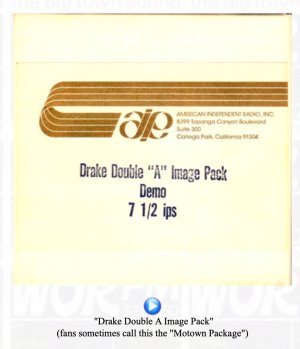
That was the official name, but a lot of people have also always called it "The Motown Package". Drake actually had the backing tracks cut by the Funk Bros. (Motown's in-house band) at Motown studios, then had the Johnny Mann Singers do the vocals as overdubs in L.A.
Screenshot 2025-07-03 at 3.19.02 PM.jpeg


Don't remember a reduction of oldies (though they did reduce their million dollar weekend to just Sunday), don't remember much in the way of LP cuts initially either. They did play Jethro Tull's "Hymn 43", which seemed a bit out of place, but that was released as a single.

"Aqualung" was a HUGE album and mid-late teens were buying it.

The change back to slightly edited versions of the old acapella jingles happened around the same time as in LA, as did the introduction of LP cuts and/or LP versions of some of the chart songs ("One Fine Morning"-Lighthouse and "Tell Mama"-Savoy Brown are a couple that come to mind.

Again, the approach was piloted at KHJ and then rolled out to the other stations (KFRC, WHBQ, CKLW, WOR-FM and WRKO as well as KYNO, KGB and KAKC). It probably was summer by the time WRKO implemented it. The only thing that happened all at once were the jingles.

Despite having a reputation for uniformity, RKO and the Drake-consulted stations did have some local differences. For example, KFRC and KHJ played more R&B than KGB.

KFRC never embraced the laid-back thing the way KHJ did. And neither did KGB. In fact, they fired Drake as a consultant in late fall of 1971. And a few months later hired Ron Jacobs as PD, who over Easter weekend of '72 actually came up with an album approach for KGB, and a few months later, one on KGB-FM that complimented it.

Any idea why they made the change in jingles? I kinda liked that package.

KHJ-FM had been a pioneering Adult Contemporary with "Hitparade '70" (and '69 and '68 before it):


In the fall of 1970, it went all-oldies and changed the name of the format to "Solid Gold Rock and Roll" and just had the "Hitparade" jingles re-sung:


When KHJ-AM launched the revised format in April, it flipped the FM to a 60/40 current/gold mix and shortened the name to "Solid Gold", and simultaneous to the launch of the Double A jingles on the AM, Drake started using different versions of the stager beds for the FM. This is from May 19, 1971:


But in the fall of '71, the full Double A package came off KHJ-AM and was used, re-sung for KHJ-FM:


I don't know if Drake just decided he liked it better for the syndication or what. I do know that Double A was available for sale in any market after it came off the RKO AMs, so Drake-Chenault/AIR may have made more money by selling it to their clients.

The Double A's only lasted about a year on KHJ-FM, because it became KRTH on October 16, 1972.

The Double A made a brief return to KHJ when Chuck Martin took over as PD in February of 1979, following John Sebastian, who had taken jingles off the air. He used the Double As as a stopgap until "The Rhythm of the Southland" was ready in the summer. Probably was 60 days or so.

Not mentioned in your account was the (brief) use of "mingles"/"pop-tops"/whatever else they were called (singing jingle over an intro made to sound like the song's artist). They only used them for a month or two.

They were gone quick. To be honest, they didn't sound great. Here are two I could find quickly---I have a vague memory of another on this production, of Bobby Sherman's "The Drum", but do you really want to hear it? This is cued to the intro of the record--there's some Bobby Ocean narrative for the 20th anniversary CD before the Pop-Top hits, and there's another right afterward.


RKO didn't play Sammy Jr, but they did play Gallery. They did not play "Troglodyte", don't remember anyone in the market playing that one.

And KHJ played the hell out of "Troglodyte", which sounded very strange when they were deep into their low-key sound.

There was an article in Rolling Stone from early '72 about the WMEX vs WRKO thing, it made it look like it was strictly a local thing...guess not.

Yeah, I remember reading that article. It was more of a take-down of WMEX than anything else.

And...son of a gun..it's online:

 
Last edited:
Remember that in the 70's we already had "tip sheets" and newsletters ranging from Hamilton and Gavin to FMQB and the start of R&R. Not only did those pubs show song action, but they were full of gossip, chat and news items from significant stations. So if any important station did anything significant, we all heard about it by the next Monday.

Yeah, but for those of us either not yet in the business or at stations too cheap to subscribe to those sheets (me), Rolling Stone covering a Top 40 battle was juicy stuff.
 
Not mentioned in your account was the (brief) use of "mingles"/"pop-tops"/whatever else they were called (singing jingle over an intro made to sound like the song's artist). They only used them for a month or two.
So, Dale Patterson's Rock Radio Scrapbook has a whole page of these things, which is probably where I remember the Bobby Sherman one from:


Yikes.

The Raiders' "Indian Reservation" was somewhat better (again KFRC):


As is Santana's "No One To Depend on (for KCBQ):


I didn't realize that KRLA used them---or maybe they heard this and didn't:


The whole page (including one each for KMOX and WNEW):


And another batch---can't link directly to the demo, so just scroll down the seventh---"Pop Tops"


And here's the Joey Reynolds "Mingles" demo (which appears to be from 1975):


I mean, this just underscored the narrative that Top 40 didn't respect the music. It's one thing when a jock talks up the intro---this was another entirely.
 
Last edited:
That was the official name, but a lot of people have also always called it "The Motown Package". Drake actually had the backing tracks cut by the Funk Bros. (Motown's in-house band) at Motown studios, then had the Johnny Mann Singers do the vocals as overdubs in L.A.


They were gone quick. To be honest, they didn't sound great. Here are two I could find quickly---I have a vague memory of another on this production, of Bobby Sherman's "The Drum", but do you really want to hear it? This is cued to the intro of the record--there's some Bobby Ocean narrative for the 20th anniversary CD before the Pop-Top hits, and there's another right afterward.
ln that KFRC sound check at 14.18, there is a call in Christmas wish from a listener who is quite nervous and who also has a speech impediment, so it is not clear exactly what the listener wanted. But the response from the d.j. was to mock the listener’s stammer, then play the jingle, which was engineered to make the Johnny Mann singers sound as if they were stammering also. Even in the era of Don Rickles, this is some pretty cruel punching down to make KFRC appear to be cool and irreverent bad asses with an attitude. Nothing could be further from the truth. There was very little at AM Top 40 that could be classified as counter culture or super cool anti establishment. lt was programmed for middle class listeners wlth very conventional life styles. JMO.
 
ln that KFRC sound check at 14.18, there is a call in Christmas wish from a listener who is quite nervous and who also has a speech impediment, so it is not clear exactly what the listener wanted. But the response from the d.j. was to mock the listener’s stammer, then play the jingle, which was engineered to make the Johnny Mann singers sound as if they were stammering also. Even in the era of Don Rickles, this is some pretty cruel punching down to make KFRC appear to be cool and irreverent bad asses with an attitude.
I had forgotten that was on there and I agree it was terrible.

It also likely never aired, not that it should ever have been produced in the first place.

The way "Christmas Wish" worked was that listeners sent in postcards detailing their wish, who it was for (themselves or someone else) and listing their phone number.

If your card was selected, they'd call you and record what you heard that listener say---who you were and what your Christmas Wish was for. It was not aired live, but turned into a promo, with the music bed and ending jingle, and aired for a day (until the next one).

I have heard all of the airchecks used to pull the clips for this 25th anniversary CD (typo in the original post), and that promo never appeared in any of them.

However, it was on the first KFRC "gag reel" (outtakes, bloopers and some things recorded in the production studio in decidedly bad taste) I ever heard---and I heard that in 1972. Other things from that reel are also in this CD, which was created as a gift to KFRC alumni for the station's 25th anniversary celebration in 1991 and never intended to be heard by or distributed to the public.

Why that promo was put in this section of this production, apart from the other gag reel material in the presentation, I don't know.

What most likely happened was that Ron's organization got its postcard duplicator and a straight promo---one not mocking him---aired. They probably used a better take, in which it's easier to understand the name of the organization, and may have actually edited out some of his difficulties in communicating his wish.

The public would have roasted KFRC in the mid-late 60s (based on the promo voice) for such a thing, and Bill Drake would have come unglued at the tampering with the jingle and defiling "Christmas Wish", which was very much his baby.

It's a shame the voice and production guys created the fake promo in the first place, a shame it was preserved and a shame it was included in the 1991 alumni CD.
 
Last edited:
That was the official name, but a lot of people have also always called it "The Motown Package". Drake actually had the backing tracks cut by the Funk Bros. (Motown's in-house band) at Motown studios, then had the Johnny Mann Singers do the vocals as overdubs in L.A.

View attachment 9528


"Aqualung" was a HUGE album and mid-late teens were buying it.


Again, the approach was piloted at KHJ and then rolled out to the other stations (KFRC, WHBQ, CKLW, WOR-FM and WRKO as well as KYNO, KGB and KAKC). It probably was summer by the time WRKO implemented it. The only thing that happened all at once were the jingles.

Despite having a reputation for uniformity, RKO and the Drake-consulted stations did have some local differences. For example, KFRC and KHJ played more R&B than KGB.

KFRC never embraced the laid-back thing the way KHJ did. And neither did KGB. In fact, they fired Drake as a consultant in late fall of 1971. And a few months later hired Ron Jacobs as PD, who over Easter weekend of '72 actually came up with an album approach for KGB, and a few months later, one on KGB-FM that complimented it.


KHJ-FM had been a pioneering Adult Contemporary with "Hitparade '70" (and '69 and '68 before it):


In the fall of 1970, it went all-oldies and changed the name of the format to "Solid Gold Rock and Roll" and just had the "Hitparade" jingles re-sung:


When KHJ-AM launched the revised format in April, it flipped the FM to a 60/40 current/gold mix and shortened the name to "Solid Gold", and simultaneous to the launch of the Double A jingles on the AM, Drake started using different versions of the stager beds for the FM. This is from May 19, 1971:


But in the fall of '71, the full Double A package came off KHJ-AM and was used, re-sung for KHJ-FM:


I don't know if Drake just decided he liked it better for the syndication or what. I do know that Double A was available for sale in any market after it came off the RKO AMs, so Drake-Chenault/AIR may have made more money by selling it to their clients.

The Double A's only lasted about a year on KHJ-FM, because it became KRTH on October 16, 1972.

The Double A made a brief return to KHJ when Chuck Martin took over as PD in February of 1979, following John Sebastian, who had taken jingles off the air. He used the Double As as a stopgap until "The Rhythm of the Southland" was ready in the summer. Probably was 60 days or so.


They were gone quick. To be honest, they didn't sound great. Here are two I could find quickly---I have a vague memory of another on this production, of Bobby Sherman's "The Drum", but do you really want to hear it? This is cued to the intro of the record--there's some Bobby Ocean narrative for the 20th anniversary CD before the Pop-Top hits, and there's another right afterward.


And KHJ played the hell out of "Troglodyte", which sounded very strange when they were deep into their low-key sound.


Yeah, I remember reading that article. It was more of a take-down of WMEX than anything else.

And...son of a gun..it's online:

By the time 1971 rolled around. RKO and Drake were out of there, so they missed the Motown package
 
By the time 1971 rolled around. RKO and Drake were out of there, so they missed the Motown package
RKO did not sell until 1989. I think he left KHJ in 1973, not '71. Calling Mr. Hagerty!

Wikipidia says...

RKO General had been under investigation by federal regulators since the 1960s for unethical conduct at its television stations, including KRTH's television sister KHJ-TV. The company was eventually ruled an unfit broadcast licensee and was compelled by the FCC to sell its broadcast properties.[28] In January 1989, RKO sold KRTH-AM-FM to Beasley Broadcasting for $86.6 million.[29] That October, Beasley spun off the AM station to Liberman Broadcasting for $23 million
 
Timeline is correct on RKO's sale of the Los Angeles stations. I remember watching the night KHJ-TV signed off for the last time, followed by a long promo for "California 9" (as Disney was rebranding it under the KCAL-TV call letters).

And Drake re-signed with RKO in October 1972:
The article makes it clear that it was a continuation of his existing tenure, so no, Drake was not "outta there" in 1971.
 
Timeline is correct on RKO's sale of the Los Angeles stations. I remember watching the night KHJ-TV signed off for the last time, followed by a long promo for "California 9" (as Disney was rebranding it under the KCAL-TV call letters).

And Drake re-signed with RKO in October 1972:
The article makes it clear that it was a continuation of his existing tenure, so no, Drake was not "outta there" in 1971.
Those are both examples of how AI picks up random misinformation and propagates it.

While I began WorldRadioHistory as a tribute to the many decades I had spent in radio (66 years in 2025), it is now a defense against the wealth of misinformation about radio caused by everything from horrible posts to Wikipedia to messages such as the one you corrected, K.M.
 
Yeah, I have no idea what @gr8oldies is talking about.

Drake did re-sign with RKO in October of 1972, as @K.M. Richards posted, but seven months later, RKO President Bruce Johnson told Drake he needed to fire Bill Watson and Bernie Torres and do all the communications with local PDs himself.

Johnson was taking advantage of the "promotion" in the new deal that moved Drake from a consultant RKO did business with to a vice-president of the company, which meant Johnson could tell Drake what to do.

Drake said no, walked out and never came back. That was May of 1973.

And as @davideduardo notes, RKO held KHJ until 1989 (though it was KRTH-AM by that point).

I'm especially confused by @gr8oldies ' post, given that it was a direct reply to my post, where I clearly laid out the timeline as far as Drake's involvement.
 
Those are both examples of how AI picks up random misinformation and propagates it.

While I began WorldRadioHistory as a tribute to the many decades I had spent in radio (66 years in 2025), it is now a defense against the wealth of misinformation about radio caused by everything from horrible posts to Wikipedia to messages such as the one you corrected, K.M.

Maybe those of us who actually care about the history should be the only ones allowed to write it.
 
There was a gap in the divestiture of L.A. RKO sold KHJ-TV to Disney, the deal being agreed to in 1987, but not approved by the FCC until the summer of '88. The deal to sell KRTH AM/FM was in January of '89, but FCC approval didn't come until later that year.
 
And less than six months later, was at KIQQ (K-100).

A bit more than six, but close enough. December 7, 1973 was the debut date, and yeah, he and Torres and Watson (who Drake chose to be KIQQ's day-to-day PD) were on the payroll earlier as they worked out the formatics and stuff up at Drake's house (they managed to keep the deal secret until the week before the debut).

Drake had been in discussions with Cox about taking KFI, but Cox, still a family business in Atlanta at the time, was a little too conservative to embrace Top 40, and they believed Biggie Nevins, who they'd sent to L.A. from Miami, could make KFI a strong Adult Contemporary. Of course, by January of 1977, they hired John Rook and did it anyway, just as Drake's deal to program KIQQ expired (he'd lost interest in it long before other than as a test kitchen for some syndication ideas). He'd lost his big guns---Steele quit after nine months, Bill Watson bailed after a year and Morgan followed Watson over to KMPC in late spring or early summer of '75.
 
There was a gap in the divestiture of L.A. RKO sold KHJ-TV to Disney, the deal being agreed to in 1987, but not approved by the FCC until the summer of '88. The deal to sell KRTH AM/FM was in January of '89, but FCC approval didn't come until later that year.

Regardless of the bureaucratic red tape, I know the call letter change for channel 9 was one year to the day after Disney took over. That much is indelibly burned into my memory bank.

The call letter change on AM 930 was a few years earlier, coinciding with the mercy killing of the "Car Radio" format.
 
Regardless of the bureaucratic red tape, I know the call letter change for channel 9 was one year to the day after Disney took over. That much is indelibly burned into my memory bank.

The call letter change on AM 930 was a few years earlier, coinciding with the mercy killing of the "Car Radio" format.

TV: December 2, 1989. The piece in the Times announcing the change said that Disney, after doing research, found KHJ-TV had a "non-entity" image in the market.

AM: February 1, 1986.
 
TV: December 2, 1989. The piece in the Times announcing the change said that Disney, after doing research, found KHJ-TV had a "non-entity" image in the market.

AM: February 1, 1986.

Those dates match my memory. Thanks, Mike.

And KHJ-TV's programming was definitely less than memorable by then, much less providing an incentive to tune in. Even George Putnam didn't last very long when RKO lured him away from the KTLA/KTTV rivalry.


Back
Top Bottom