• Get involved.
    We want your input!
    Apply for Membership and join the conversations about everything related to broadcasting.

    After we receive your registration, a moderator will review it. After your registration is approved, you will be permitted to post.
    If you use a disposable or false email address, your registration will be rejected.

    After your membership is approved, please take a minute to tell us a little bit about yourself.
    https://www.radiodiscussions.com/forums/introduce-yourself.1088/

    Thanks in advance and have fun!
    RadioDiscussions Administrators

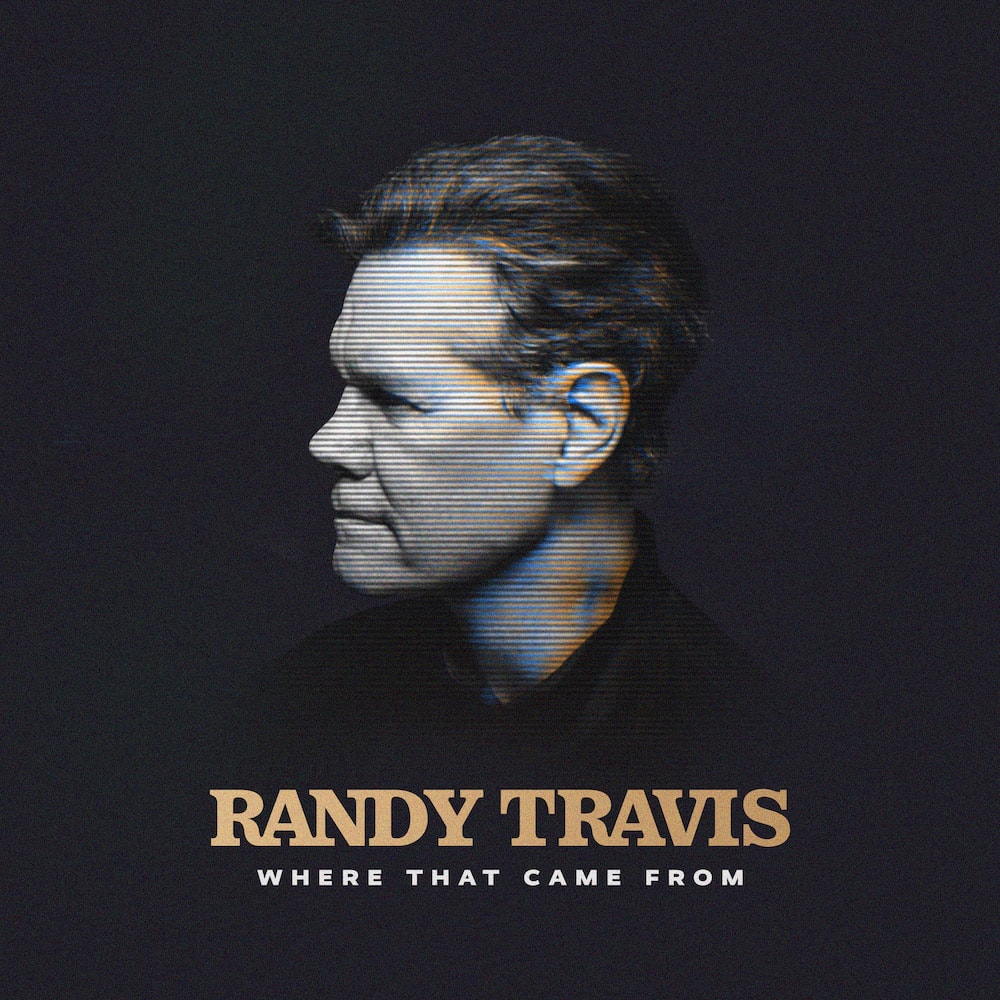
Randy Travis Uses AI For New Song

Right, but my point is that those tricks were deliberately created by a real human being (Les Paul, in this case), not an AI-driven computer algorithm pretending to be a human being.

No different than what Kyle Lehning, a real human being, did with the tools at his disposal. Records have been recorded using computers for over 30 years. Previously, the boogie man was ProTools. Now it's AI. They're all just tools in the hands of producers and artists who manipulate sounds in the studio to make a record.

The idea of records simply catching a live performance in a studio is really mythology, and as I said, it hasn't been done that way in 70 years.

However, I feel that resurrecting the voices of dead artists to "sing" new material, is extremely questionable and should be carefully regulated, if not banned outright, because it can easily become a legal and ethical quagmire, not to mention the fact that it's creepy.

The legal part of it will be about who owns it. The issue is when someone makes a record pretending to be someone else and they're not authorized to use the name, voice, or property. But in this case, its up to fans to decide if they will accept it or not.
 
No different than what Kyle Lehning, a real human being, did with the tools at his disposal. Records have been recorded using computers for over 30 years. Previously, the boogie man was ProTools. Now it's AI. They're all just tools in the hands of producers and artists who manipulate sounds in the studio to make a record.
Or Autotune. But I'd bet if Duran Duran fans knew what Autotune was, and that the band used it in most of their albums and live shows, some would think less of them and their record sales might have been less. It will be interesting to see how Randy fans feel about something that he never actually sang because he couldn't.
 
Or Autotune. But I'd bet if Duran Duran fans knew what Autotune was, and that the band used it in most of their albums and live shows, some would think less of them and their record sales might have been less.

Maybe. How many radio listers know or care about voicetracking?

It will be interesting to see how Randy fans feel about something that he never actually sang because he couldn't.

Once again, they've been very open and out front about the situation. Very different from Milli Vanilli. The mistake there was covering up the fact that the two guys who accepted the Grammy award were not the actual singers. But who would have known?
 
No different than what Kyle Lehning, a real human being, did with the tools at his disposal. Records have been recorded using computers for over 30 years. Previously, the boogie man was ProTools. Now it's AI. They're all just tools in the hands of producers and artists who manipulate sounds in the studio to make a record.

The term "A.I." gets thrown around pretty loosely these days since it's the latest buzzword. What we are listening to is a Voice Cloning tool. It's no different than the myriad of other tools that have been used to alter sounds in digital audio editors for years.

If that's A.I., then so was AutoTune 40 years ago. Or instrument sampling, which is essentially the same idea and has been around for decades. But this tool seems to require a lot of intervention from the human producer so it's not really Artificial Intelligence, more like artificial assistance. The A.I. explanation just seems like a sensational way to explain the results of the DAW plugin to the general public using the latest media hype term.
 
Last edited:
That name caught my eye. You might want to check out this new album. It was done with the co-operation of Joe's estate and family, and incorporates some of Joe's original tracks singing with current artists. One of them happens to be Toby Keith:

I had to listen to "Ships That Don't Come In" a second time to realize that Toby is the one who starts the song. I of course am not used to hearing him sing the song. Now that I know better who sings what lyrics, to me, an awesome job was done on this recording. :) :) :)

God bless you and Luke always!!!

Holly in east TN (a girl who misses both Joe and Toby so very much)
 
Last edited:
Warner Music Nashville put out a press release yesterday with more details about the Randy Travis song. According to the release, Randy did an interview with iHeart's Bobby Bones, and he's been playing the song on his radio show. Here is the official release:

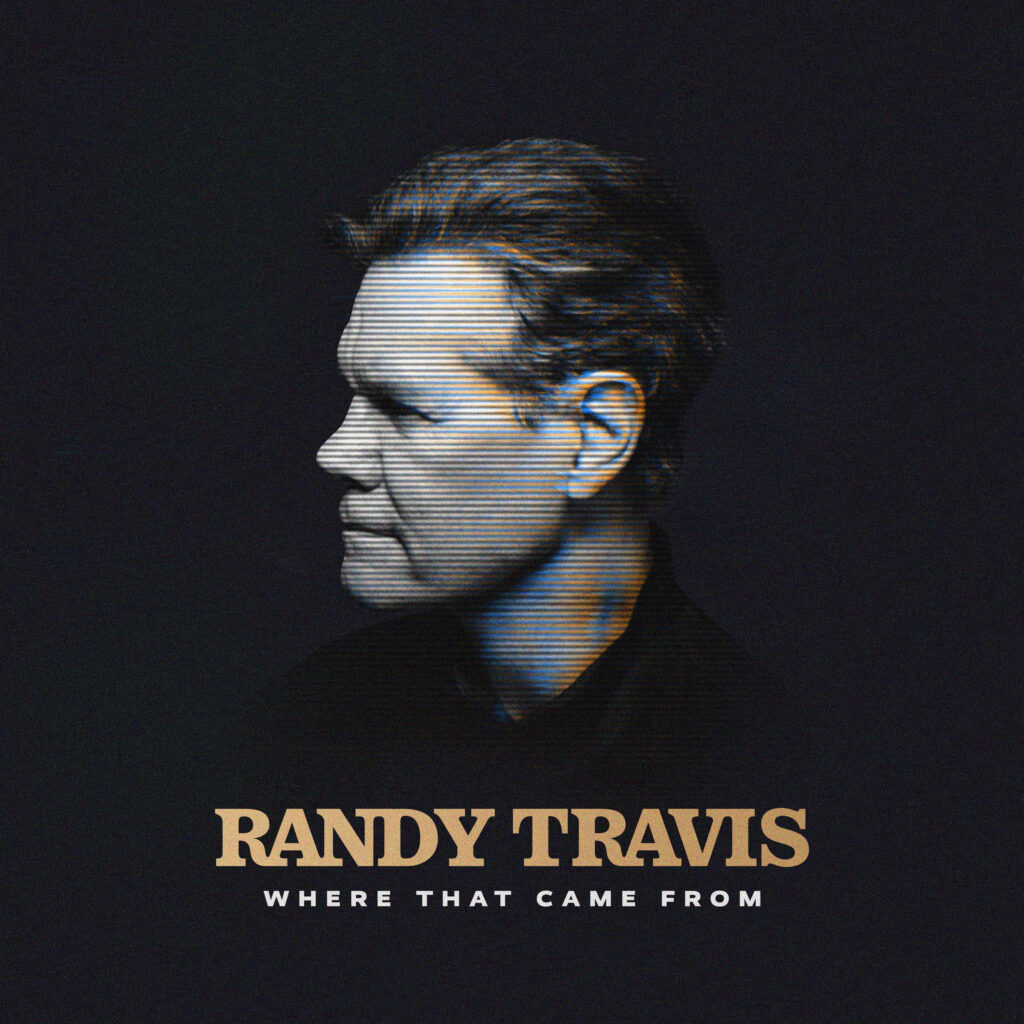
Nashville, Tenn. - (May 6, 2024) - As music icon Randy Travis prepared to celebrate his 65th birthday, the legendary vocalist shared a gift with fans that could only be explained as magic. On Friday (5/3), Travis and Warner Music Nashville released “Where That Came From” (LISTEN HERE) and for the first time in over a decade, the music-loving world was hearing a brand-new song with those unforgettable, signature vocals.

The Grammy Award-winning Country Music Hall of Famer has had limited speech for over a decade, after surviving a devastating stroke in 2013 that left him with aphasia.

But how?

In early 2023, artificial intelligence was exploding to the forefront of discussion within the music world, and with it came a new frontier of opportunities and obstacles impacting the artist community. The need to protect artists rights, and issues like copyright infringement and proper legislation were key conversation drivers when Warner Music Group executives came together to tackle the question, “what would AI for good look like?”

Warner Music Nashville Co-Chair & Co-President, Cris Lacy, answered with: “AI for good would be giving Randy Travis his voice back.”

Lacy immediately connected with Travis and his longtime producer, Kyle Lehning, who were excited by the prospect of making music together again. Lehning remembered “Where That Came From,” a song originally recorded - but not released - by James Dupre. The lilting ballad, written by Scotty Emerick and John Scott Sherrill, proved the perfect starting point.

As detailed in exclusive interviews from CBS Sunday Morning (WATCH HERE), Associated Press (READ HERE), and The Bobby Bones Show, Lehning and Travis remained constantly at the helm throughout the entire process. Together, they spent months working with Travis's vocals and putting a human touch, millisecond by millisecond, on every note of “Where That Came From.” It marks an important moment in history as the first steps toward removing the “artificial” in artificial intelligence and replacing it with authenticity.

“Eleven years ago I never thought I would be able to have a hand in music production of any kind,” shared Travis. “But by God’s grace and the support of family, friends, fellow artists, and fans, I’m able to create the music I so dearly love. Working with Kyle Lehning and Warner Music Nashville again has been so special and nostalgic, and I'm so excited to share my new song "Where That Came From" with you today. Many thanks to my wonderful team and the best fans in the world for putting me back in the saddle again! I’ve enjoyed every moment of it.”

The creation of “Where That Came From” is an example of how the music industry can rewrite the rules of technology-use within the creative community and harness the power of AI in a positive, fair and honest way.

“The motivation behind a musical recording is specific to each individual artist,” explains Lacy. “The genesis of this particular track came from a visceral desire to restore what was taken away from someone we know and love - Randy Travis. It was inspired by his courage to continue as a vital contributor to the music community. In working with him to make new recordings, the byproduct is a gift that goes straight to our hearts. AI may have been a tool that helped us along, but it was a group of dedicated and passionate humans, including Randy himself, that brought this beautiful song to life.”

 
“The motivation behind a musical recording is specific to each individual artist,” explains Lacy. “The genesis of this particular track came from a visceral desire to restore what was taken away from someone we know and love - Randy Travis. It was inspired by his courage to continue as a vital contributor to the music community. In working with him to make new recordings, the byproduct is a gift that goes straight to our hearts. AI may have been a tool that helped us along, but it was a group of dedicated and passionate humans, including Randy himself, that brought this beautiful song to life.”
Artfully long way of saying: 'Randy and the record company need the money'.
 
Artfully long way of saying: 'Randy and the record company need the money'.

Would it be more acceptable to you if they donated all the proceeds from the music to a charity?

They're talking about art, and you're only thinking about the commerce. No reason I know of for the two to be exclusive.
 
Warner Music Nashville put out a press release yesterday with more details about the Randy Travis song. According to the release, Randy did an interview with iHeart's Bobby Bones, and he's been playing the song on his radio show. Here is the official release:

Do you have a link to the source? Not just because of the fair use policy plastered to the top of this site, but because I'd like to be able to share it. Thanks.
 
This is a very slippery slope. Everybody from Travis to Lehning to the Warner Nashville suits is saying all the right things, but I can't help but be concerned where this will lead. The song has a mellow, mid-'80s vibe to it (the transition years, pre-Garth, pre-hat acts) and I wouldn't mind hearing it on my local country stations this summer. Try as I may, though, I still get a gnawing feeling that this could all go very wrong.

Also, I've watched the video for the song and it shows, equally, musical instruments and computer screens. Is the instrumental backing on the single purely organic or were some of the instruments synthesized or, perhaps, lifted from James Dupre's unreleased track? The percussion doesn't sound quite right to me.
 
Last edited:
This is a very slippery slope. Everybody from Travis to Lehning to the Warner Nashville suits is saying all the right things, but I can't help but be concerned where this will lead. The song has a mellow, mid-'80s vibe to it (the transition years, pre-Garth, pre-hat acts) and I wouldn't mind hearing it on my local country stations this summer. Try as I may, though, I still get a gnawing feeling that this could all go very wrong.

Also, I've watched the video for the song and it shows, equally, musical instruments and computer screens. Is the instrumental backing on the single purely organic or were some of the instruments synthesized or, perhaps, lifted from James Dupre's unreleased track? The percussion doesn't sound quite right to me.
I haven't seen the video yet, but if the recording process is what's being shown in it, I appreciate the honesty of whoever came up with the video concept. If a pop act were to go and do what's been done by Randy and their reason for doing it was just like his reason, would they be as forthcoming about it as he has been?

God bless you and Randy and everyone who helps him always!!!

Holly
 
Rolling Stone spoke to the original “Where That Came From” singer, James Dupré, in an article published today. Some of the revelations are interesting, to me anyway.

James Dupré recorded the vocals in 2011 but the song was never released.

He found out about his vocals being used as the AI model on Sunday after the label asked him to come to the studio for a meeting and he showed up only to discover the CBS camera crew there. It sounds like no one had asked him for his permission to use his vocals in this way, or told him about their intentions in advance.

Dupré was credited for the "vocal bed" and paid for the song but declined to say whether it was a one-time work-for-hire payment or if he will receive royalties.

While he speaks positively about the song in the article, he admits he's not sure how he feels about A.I. being used this way in the future, saying he can see how it can be used in a very negative way.

 
Rolling Stone spoke to the original “Where That Came From” singer, James Dupré, in an article published today. Some of the revelations are interesting, to me anyway.

What the article doesn't say is that Dupre did a theater tour with Randy several years ago where he sang Randy's hits with Randy's band, and Randy on stage. Afterwards, Randy did a meet & greet with everyone there. Dupre has also been part of several tribute shows and albums for Randy. So they have worked together.

From Dupre's own website:

In 2019, James was handpicked by Randy and Mary Travis as vocalist for “The Music of Randy Travis” tour (now known as the “More Life” tour). Along with Randy’s original band, James performs all of Randy’s biggest hits.
 
What the article doesn't say is that Dupre did a theater tour with Randy several years ago where he sang Randy's hits with Randy's band, and Randy on stage. Afterwards, Randy did a meet & greet with everyone there. Dupre has also been part of several tribute shows and albums for Randy. So they have worked together.

Yes it does. Not including every detail you mentioned but it references the tour in 2019 as well as the fact that they were working together on a movie and that he used to sing Randy Travis songs. But James also says, "I don’t try to sound like Randy. Even on tour, I’m not gonna go out there to impersonate Randy Travis."
 
Rolling Stone spoke to the original “Where That Came From” singer, James Dupré, in an article published today. Some of the revelations are interesting, to me anyway.

James Dupré recorded the vocals in 2011 but the song was never released.

He found out about his vocals being used as the AI model on Sunday after the label asked him to come to the studio for a meeting and he showed up only to discover the CBS camera crew there. It sounds like no one had asked him for his permission to use his vocals in this way, or told him about their intentions in advance.
And that's one of the unintended consequences of doing this modified/synthesized creation of music and art, even if out in the open. I have a good friend who has spent years as a session drummer recording and on tour with all sorts of bands/artists. For the most part, he's been hired by the record label to provide drum tracks because of his professionalism and ability to provide a flexible yet solid performance. He found out the other day, that some of his past drum tracks have been modified and repurposed for another artist's album being recorded by a record company he's worked for in the past. Apparently, this isn't just sampled tracks either. They took individual parts and notes out of past recordings, adjusted the time signature using "AI" and created a new drum track for the price of a producer playing around with it.
Dupré was credited for the "vocal bed" and paid for the song but declined to say whether it was a one-time work-for-hire payment or if he will receive royalties.
Just like my friend, I suspect the record company will try and wiggle out of paying Dupre a dime.
 
Two bits of news from Randy Travis: First, this song has charted in Billboard's country airplay Top 50.

Also that Randy will do a tour with James Dupre, the voice behind his new song:

 
Status
This thread has been closed due to inactivity. You can create a new thread to discuss this topic.


Back
Top Bottom