• Get involved.
    We want your input!
    Apply for Membership and join the conversations about everything related to broadcasting.

    After we receive your registration, a moderator will review it. After your registration is approved, you will be permitted to post.
    If you use a disposable or false email address, your registration will be rejected.

    After your membership is approved, please take a minute to tell us a little bit about yourself.
    https://www.radiodiscussions.com/forums/introduce-yourself.1088/

    Thanks in advance and have fun!
    RadioDiscussions Administrators

Soviet Wired Radio

Here's something sure to pique the interest of esoteric broadcast history aficionados. The former Soviet Union's wired baseband radio system -- antennas and radio waves not included. As the video's author explains, that was at least half the point of it, barring good Soviet comrades from owning equipment capable of tuning enemy propaganda.


Part 2 documents North Korea's version, which is apparently still active, before showing off more of the old Soviet system:

 
Last edited:
I've heard of those. You can turn them down, but never off.

Reminds me of this 1959 novelty hit.

 
In the mid 90s, I saw those things for sale at the Arbat St. flea market in Moscow. I thought they were intercom speakers. Also saw some that looked like old drive-in movie speakers. Wish I'd bought one now.
 
Last edited:
A few years back there were reports on DX forums of someone who had been remotely tuning around on an online SDR located somewhere in Siberia, and was scanning the longwave frequencies below 150 kHz. The DXer came across Radio Mayak (a longtime national broadcaster in Russia) on both 78 and 120 kHz. The old wired RF wired radio system was still in use in that city! (Can’t remember what city it was, and I am not inclined to do a deep dive search for that report). This RF system is discussed around 10:00 into the first video posted above.

We should note that the old Soviet Union did have an extensive radio infrastructure on long, medium and short waves, along with a large variety of domestically produced radio receivers. So the wired and OTA radio systems augmented each other.

The Rediffusion wired system mentioned above was also present in several other countries under that name or different branding. Old editions of the World Radio TV Handbook included them among its listings.

North Korea also has many radio stations on medium and short waves, as well as FM, for situations where the wired radios don’t go. These can be received outside the country.

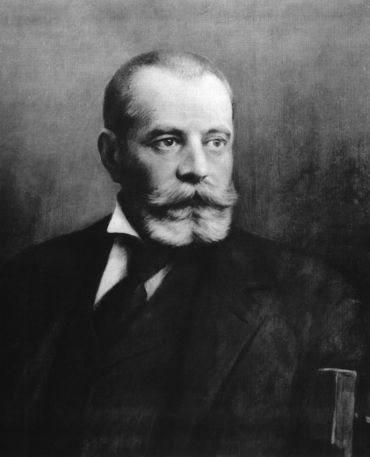
Perhaps the original wired radio was in Budapest…in 1893:

 
A few years back there were reports on DX forums of someone who had been remotely tuning around on an online SDR located somewhere in Siberia, and was scanning the longwave frequencies below 150 kHz. The DXer came across Radio Mayak (a longtime national broadcaster in Russia) on both 78 and 120 kHz. The old wired RF wired radio system was still in use in that city! (Can’t remember what city it was, and I am not inclined to do a deep dive search for that report). This RF system is discussed around 10:00 into the first video posted above.

We should note that the old Soviet Union did have an extensive radio infrastructure on long, medium and short waves, along with a large variety of domestically produced radio receivers. So the wired and OTA radio systems augmented each other.

The Rediffusion wired system mentioned above was also present in several other countries under that name or different branding. Old editions of the World Radio TV Handbook included them among its listings.

North Korea also has many radio stations on medium and short waves, as well as FM, for situations where the wired radios don’t go. These can be received outside the country.
When I was in SK in the 80s, listening to NK radio broadcasts was illegal. Our security/intel guys briefed us before leaving the US about not listening to NK radio. At the time I think there were three NK AM/FM stations, and maybe a couple on SW.


Back
Top Bottom