If you do a search you'll get varied results but MLB Baseball's median fan age is around 54 or so, NFL is 45-50, Basketball is younger, maybe around 35-40. Hockey is somewhere in between NFL and MLB.@CTListener I don't mean to sound like I'm challenging your comment, 'cause I'm not - but I'm curious if this is a statistic you've actually seen data on or if it was just an off the cuff comment? Curious as I can see that "over 50" viewer comment being true for some sports like baseball, but for other sports like Basketball, when I look in the stands or go to a sports bar to watch a game, the crowd is quite obviously skewing much younger than 50.

-
Get involved.
We want your input!
Apply for Membership and join the conversations about everything related to broadcasting.
After we receive your registration, a moderator will review it. After your registration is approved, you will be permitted to post.
If you use a disposable or false email address, your registration will be rejected.
After your membership is approved, please take a minute to tell us a little bit about yourself.
https://www.radiodiscussions.com/forums/introduce-yourself.1088/
Thanks in advance and have fun!
RadioDiscussions Administrators
You are using an out of date browser. It may not display this or other websites correctly.
You should upgrade or use an alternative browser.
You should upgrade or use an alternative browser.
Sports Talk Hosts Going off on Tangents
- Thread starter BruceNYC
- Start date

Sports talk is guy talk. It happens to mostly be sports. But sports is not a self-contained bubble that has no interactions with the rest of life. It’s ok for hosts to inject other content when at times it may be more engaging than what’s happening…or not happening…with the local sports scene that has been covered repeatedly.
Maybe that “tangent” is not of interest to you. Great. It may well be of interest to other listeners who like sports but can converse about more than one topic.
Maybe that “tangent” is not of interest to you. Great. It may well be of interest to other listeners who like sports but can converse about more than one topic.
Just to clarify, I was referring to the average age of those leagues' television viewers, not all people who say they're fans of the leagues or the sports. Here's an article that says the average Sunday NFL viewer is over 55. Since this is a broadcasting board, that's a number that should be of primary interest. The couch potatoes are aging rapidly. Will the advertisers view that trend negatively?If you do a search you'll get varied results but MLB Baseball's median fan age is around 54 or so, NFL is 45-50, Basketball is younger, maybe around 35-40. Hockey is somewhere in between NFL and MLB.
NFL games increase in viewers
The highest average on record is 18.1 million from 2015.
 spectrumnews1.com
Understood. And the websites where I got my figures were TV broadcast based, because the broadcast demo stats are more heavily researched.Just to clarify, I was referring to the average age of those leagues' television viewers, not all people who say they're fans of the leagues or the sports. Here's an article that says the average Sunday NFL viewer is over 55. Since this is a broadcasting board, that's a number that should be of primary interest. The couch potatoes are aging rapidly. Will the advertisers view that trend negatively?
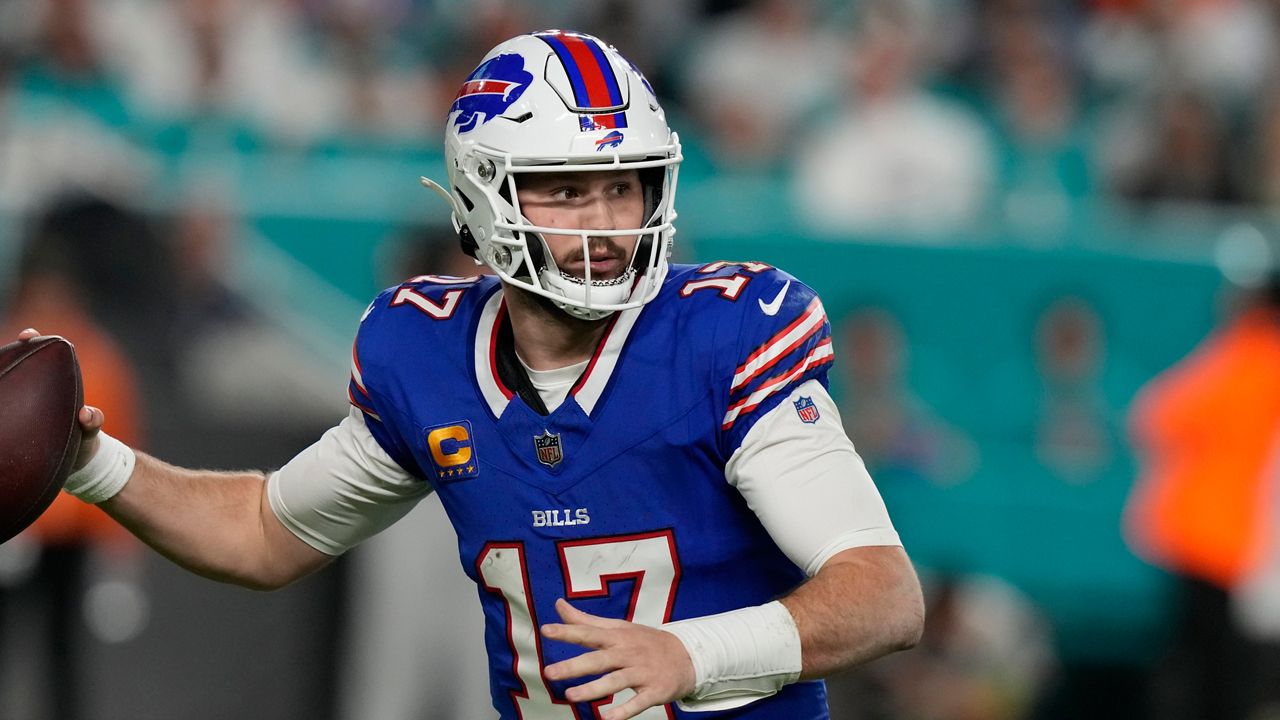
NFL games increase in viewers
The highest average on record is 18.1 million from 2015.
I sincerely doubt that NFL, NBA, NHL, MLB teams measure the age of every single person who goes to the actual games. Maybe they have stats on season ticketholders, maybe not.
The TV demos are fairly well researched. And TV probably counts more than fans in the stands for many teams, anyway. When the Seahawks or Mariners play, one can guarantee that there a maybe 100K-200K more fans in sports pubs watching the game on TV, or fans watching at home, either way they're more populous than the 60K who are at the stadium. And the ads presented at the stadium itself probably don't bring in as much revenue as TV.
Sports people have poor tastes in music, so listening to any musical discussion will make me cringe.

One sports podcast I listen to is about college sports. One of the hosts only listens to Led Zeppelin, Jimi Hendrix and Pink Floyd and watches Rockford Files and Andy Griffith like it's his job. The other two hosts, who are older than him, goof on him for not listening to or watching anything that isn't 50-60 years old, other than live sports. He doesn't even do that, since he admits to falling asleep watching games. He also constantly interrupts guests and seemingly never prepares for interviews, because he asks long winded rambling questions like he's coming up with them on the fly. He also can't handle even mild criticism from anyone, which is funny, since he seems to think only the music and tv shows he watches and listens to is the best of all time.
If it weren't for the guests and some callers, plus the knowledge of one of the other hosts, I probably wouldn't listen.
If it weren't for the guests and some callers, plus the knowledge of one of the other hosts, I probably wouldn't listen.
Last edited:

Can you have a more broad brush?Sports people have poor tastes in music, so listening to any musical discussion will make me cringe.
Some of the national hosts talk about the games, the players, and the like. Ben Maller seems to keep it lively without veering too far into off-sports territory. I don't listen to the local Sports talk hosts, so I've no idea how they operate. I have heard betting talk on the national sports talk shows, although it's usually just part of the segment. On his night-time show on CBS Sports Radio, Scott Ferrall used to talk about sports betting long before it became a big deal.
I enjoy Ben Maller, though he does get into politics every once in awhile and I like some of the Infinity Sports Network hosts like JR, Jody Mac, Dave Smith and Ryan Hickey.Some of the national hosts talk about the games, the players, and the like. Ben Maller seems to keep it lively without veering too far into off-sports territory. I don't listen to the local Sports talk hosts, so I've no idea how they operate. I have heard betting talk on the national sports talk shows, although it's usually just part of the segment. On his night-time show on CBS Sports Radio, Scott Ferrall used to talk about sports betting long before it became a big deal.
And alienate their target listeners?There are many women sportscasters on radio and TV, but so few women call into sports talk radio stations. Would it benefit those stations to modify their approach to attract more women listeners?
Easily Amused
Banned
There is an afternoon drive time sports program in Buffalo N.Y. that at one time was a fun and creative few hours of entertainment. Their producer moved on to a different career, and the quality of the program dropped significantly. I would think a program director or producer could also 'make or break' a show's appeal, depending upon how much control the host(s) have over the program.
I would think a program director or producer could also 'make or break' a show's appeal, depending upon how much control the host(s) have over the program.
One would think that, but it's not always the case. In today's radio world, the talent often has a lot of power. It's usually spelled out in the talent contract. Ultimately the GM has control. PDs and producers will often just support and assist the talent. The amount of host control will have to do with longevity and involvement in sponsorship.
Dunno about this. At one time, prior to the internet and social media, I think that might have been the case. That was the era of Pete Franklin bragging about talking to more sports fans than anyone some 40 years ago.Sports talk is still talk radio. The idea is to get callers involved.
Now, it's more entertainment, expert opinion, interviews, story telling, etc.
Callers are now viewed as "amateur hour." And in an era when you can put your opinion out there online instantly for prosperity, turning the show over whoever is still waiting on hold to speak and give his two cents that will fade in to the airwaves is probably not your strongest option to keep an audience.
Last year, when the Florida Panthers and Miami Heat were simultaneously playing for World Championships at the same time, I decided to go online and listen to the Miami sports talk station.
Would they be talking about hockey or basketball? What would the divide be? What would the analysis be in this never-before situation where one city hosted two teams that were simultaneously in this situation?
And at 4:15 pm- the heart of drive time- while the Panthers were in the Stanley Cup Finals and the Heat were in the NBA Finals- I was treated to a host discussing, at length, the joys of eating frozen popcorn chicken out of the bag.
Look, I get guy talk. But there is a time and a place for everything.
The other day I was in the car. Had sports talk on. A non-sports fan was my passenger.
She said "they're not talking about anything!"
And it was true. It wasn't just they weren't talking sports- they were spewing drivel.
Dunno if it's the death of the sports talk format. But I do know it should be the death of these hosts' particular subject matter.
Would they be talking about hockey or basketball? What would the divide be? What would the analysis be in this never-before situation where one city hosted two teams that were simultaneously in this situation?
And at 4:15 pm- the heart of drive time- while the Panthers were in the Stanley Cup Finals and the Heat were in the NBA Finals- I was treated to a host discussing, at length, the joys of eating frozen popcorn chicken out of the bag.
Look, I get guy talk. But there is a time and a place for everything.
The other day I was in the car. Had sports talk on. A non-sports fan was my passenger.
She said "they're not talking about anything!"
And it was true. It wasn't just they weren't talking sports- they were spewing drivel.
Dunno if it's the death of the sports talk format. But I do know it should be the death of these hosts' particular subject matter.
Dunno. I'm not sure there are any "gender neutral" stations out there, and the majority of your audience in a sports talk format will always be men.There are many women sportscasters on radio and TV, but so few women call into sports talk radio stations. Would it benefit those stations to modify their approach to attract more women listeners?
Nobody says of a soft rock format "How can we get more male listeners?" Even things like sponsors- sports talk is so firmly entrenched with ads for things like ED treatments and divorce lawyers catering to men.
Then again, it seems like women's basketball is the brand of basketball that is currently hot, so maybe there are opportunities there for female hosts and listeners that weren't there before.
When I listened to Ben Maller more often, his callers were 50/50 drunk vs. sober, but the drunk ones could be funny, and they have "Newbie Nights" on his show every once in awhile to encourage only new callers to call in that night. Infinity Sports Radio gets some good callers on their shows, too. I'd rather listen to callers than a meaningless player/coach interview with a bunch of cliches or non-answers about "They/we wanted it more, have to keep getting after it, defense wins games, Seattle Seattle Seattle, etc."Dunno about this. At one time, prior to the internet and social media, I think that might have been the case. That was the era of Pete Franklin bragging about talking to more sports fans than anyone some 40 years ago.
Now, it's more entertainment, expert opinion, interviews, story telling, etc.
Callers are now viewed as "amateur hour." And in an era when you can put your opinion out there online instantly for prosperity, turning the show over whoever is still waiting on hold to speak and give his two cents that will fade in to the airwaves is probably not your strongest option to keep an audience.
Starting last year, Fox Sports Radio top and bottom of the hour updates had a requirement to include WNBA scores. I know it was required, because now former Ben Maller Show executive producer Eddie Garcia said it was on air.Then again, it seems like women's basketball is the brand of basketball that is currently hot, so maybe there are opportunities there for female hosts and listeners that weren't there before.
Heaven help us if the future of radio is reliance on drunk callers.When I listened to Ben Maller more often, his callers were 50/50 drunk vs. sober, but the drunk ones could be funny, and they have "Newbie Nights" on his show every once in awhile to encourage only new callers to call in that night. Infinity Sports Radio gets some good callers on their shows, too. I'd rather listen to callers than a meaningless player/coach interview with a bunch of cliches or non-answers about "They/we wanted it more, have to keep getting after it, defense wins games, Seattle Seattle Seattle, etc."
Radiofan has a point about coach/player talk, though. I listen to SiriusXM's MLB Radio occasionally and the most boring segments on its shows are the interviews with managers -- and there are a lot of them, as I believe about 20 of the 30 current managers have agreed to talk about their teams with the hosts at least once a week. Fortunately, MLB Radio attracts more knowledgeable baseball fans (or at least screens the drunk ones out better) than the average AM or FM sports station does. Many of them really know their stuff and that makes for a better experience for me. But the trade-off is that the conversation isn't about one's favorite team all the time. I'm sure more than a few listeners, even the knowledgeable ones, find another channel to listen to when the conversation turns to a team or player in which they have little or no interest.Heaven help us if the future of radio is reliance on drunk callers.