"But any Oklahoman that does not fully worship Donald Trump deserves to be unemployed," he's likely to say.Actually the Oklahoma congress funded it. It was the governor who shut it down. They don't have enough votes to override the veto.
If the state government wants to shut these stations down, there's an FCC procedure for doing it. They'll put a lot of Oklahoma taxpayers out of work.

-
Get involved.
We want your input!
Apply for Membership and join the conversations about everything related to broadcasting.
After we receive your registration, a moderator will review it. After your registration is approved, you will be permitted to post.
If you use a disposable or false email address, your registration will be rejected.
After your membership is approved, please take a minute to tell us a little bit about yourself.
https://www.radiodiscussions.com/forums/introduce-yourself.1088/
Thanks in advance and have fun!
RadioDiscussions Administrators
You are using an out of date browser. It may not display this or other websites correctly.
You should upgrade or use an alternative browser.
You should upgrade or use an alternative browser.
Trump to PBS and NPR: I’m cutting you off…
- Thread starter only1moore
- Start date


Four full-timers, 14 part-timers laid off at WFIU/WTIU amid funding crunch
They are the latest cuts in public media nationally after state and federal governments ended funding.
 www.ipm.org
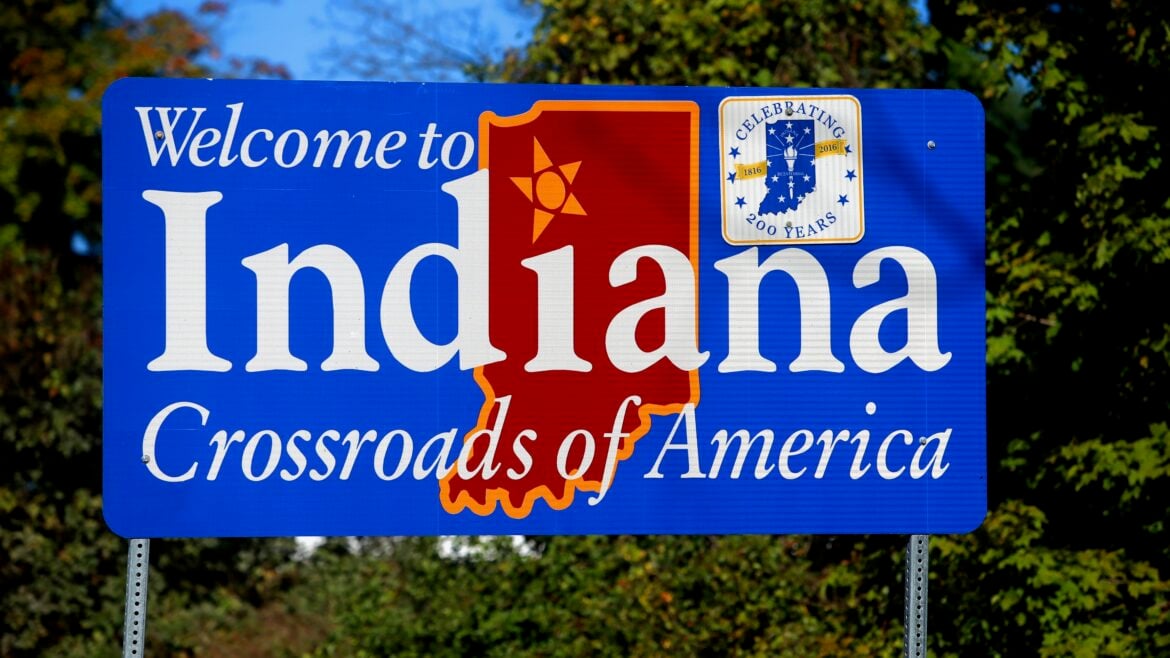
Indiana Public Media cuts staff
The reduction affected the station's marketing, engineering and television production departments.
 current.org
Indiana Public Media are to cut staff in this update.
I haven't heard Giles Snyder lately.NPR has announced that it will be making some cuts in the newsroom.
He used to be the most common voice on weekends at the time I was listening. I would turn the radio on for "Car Talk" around the time he was doing "These Headlines" at 20 before the hour.
WEIU-TV at Eastern Illinois University, which disaffiliated with PBS last October, has now gone silent altogether. In today's STA filing, the university states:
Due to the loss of federal funding for public broadcasting, the University has decided to cease over-the-air broadcasting at this time. Therefore, the University respectfully requests special temporary authority for the station to be off the air. The University will provide a status update if and when it submits a request for extension of the STA herein requested.
CPB wasn't intended to provide full funding for these stations. This article says that CPB provided 80% of its budget. That's crazy. Nobody should be that dependent on any one source of revenue.

WEIU-TV live broadcast to end, switching to streaming only
WEIU-TV in Charleston is ending it's television on-air News Watch broadcast, switching to a streaming only station next month.
The changes come amidst the PBS funding cut nationally in July that left the station with about 20% of its normal operating budget.
The station had about 450 paying members.
CPB wasn't intended to provide full funding for these stations. This article says that CPB provided 80% of its budget. That's crazy. Nobody should be that dependent on any one source of revenue.
WEIU-TV live broadcast to end, switching to streaming only
WEIU-TV in Charleston is ending it's television on-air News Watch broadcast, switching to a streaming only station next month.www.wandtv.com
The station had about 450 paying members.
I just checked and the 2020 population listed for Charleston, IL, was 17,126, and it's not really close to any major cities. While the town's population could have supported a radio station (it still does, though WEIU-FM is no longer an NPR affiliate), I think it was too small to support a full-time television outlet. Also (as @SomeRadioGuy has noted in other threads), there are some towns that are so small, particularly in Alaska, that the CPB, in fact, provided somewhere between 70% or more of these stations' budgets when it was a going concern.
While the town's population could have supported a radio station (it still does, though WEIU-FM is no longer an NPR affiliate), I think it was too small to support a full-time television outlet.
It's primarily a college station, run by the college's communications department, staffed mainly by students, volunteers, and a few paid employees. There are lots of stations like this one around the country. They augment the university funding with occasional fundraisers. I think I saw they raised less than $100K. Hard to run a 24/7 radio station on that.
The question the people in those towns need to ask is who should pay for this now that the feds aren't. Would they be willing to pay higher local taxes? Should the state pay for it? Should the money come from student fees? Because the feds aren't paying anymore.
As long as the foundations can offer more than the asset liquidation value, this shouldn't be a problem. I doubt they'll be able to funding the operations in most cases though.Any of these states that defund public broadcasting should sell the stations to their private foundations. They all have outside foundations that could easily take over operations. The people want PBS even if their elected governments don't.
But once the state gets out, they lose any say in what the stations broadcast. So now that the state isn't funding Oklahoma PTV, they should be able to air anything they want.

Bloodbath brews at NPR due to federal funding cut — as 300 buyouts offered
NPR management expects only about 30 employees to accept the buyouts voluntarily, meaning layoffs could follow if too few workers opt in.
 nypost.com
This belies the arguments made here that NPR only received 1% of its budget from CPB. If that were the case they wouldn't be making layoffs. Money was funnelled to NPR through other CPB funded entities. The changes here are mild, at least for now, as compared to what commercial radio has endured.
This belies the arguments made here that NPR only received 1% of its budget from CPB. If that were the case they wouldn't be making layoffs. Money was funnelled to NPR through other CPB funded entities. The changes here are mild, at least for now, as compared to what commercial radio has endured.
Here's how the linked article explains it:
Though NPR has long said direct federal grants account for less than 1% of its budget, the organization depends heavily on fees from member stations, many of which are now under severe financial strain.
NPR CEO Katherine Maher told staff the organization expects a $15 million drop in station-fee revenue while sponsorship revenue is also softening amid economic uncertainty and declining radio listening.
Local stations are who suffered most from the loss of CPB, not NPR. Congress basically hurt their own home states, many of which own public broadcasting stations.
And those fees obviusly came, at least in part, from CPB funding.Here's how the linked article explains it:
This will be the first of many workforce reductions for NPR. It's nothing to celebrate, but neither was their dishonesty as to their dependence on federal funds.
And those fees obviusly came, at least in part, from CPB funding.
No. By law, the CPB funding was intended for local staffing and programming. The grants they received were called "community service grants," intended for the community. If the stations used the money for something else, and didn't report it to the CPB, that is fraud, and should be investigated.
In the case of Arkansas, it was demonstrated that member money, not CPB money, was used to pay for PBS. That's why that state has changed its plans to drop PBS programming.
This will be the first of many workforce reductions for NPR. It's nothing to celebrate, but neither was their dishonesty as to their dependence on federal funds.
There was no dishonesty. Every dollar has to be accounted for. Federal money has strings attached. If state governments committed fraud, they should be investigated. But CPB money was never intended to pay for NPR. If you ever listen to a local fundraiser, they clearly tell the listeners that their donation dollars go to support the programming they hear.
The NY Post is no liberal newspaper, and even they don't say there was dishonesty.
The portrayal, often dishonestly echoed by you despite the fact that everyone here knew better, was that NPR relied on federal funding for only 1% of its budget. That was a lie. CPB was funding NPR through its member stations. Being honest would've sounded like, 1% directly and about 40% total are funded by taxpayers through the CPB.There was no dishonesty. Every dollar has to be accounted for. Federal money has strings attached. If state governments committed fraud, they should be investigated. But CPB money was never intended to pay for NPR. If you ever listen to a local fundraiser, they clearly tell the listeners that their donation dollars go to support the programming they hear.
Yet another reason taxpayers can be glad the CPB has been put out to pasture.
Being honest would've sounded like, 1% directly and about 40% total are funded by taxpayers through the CPB.
But that wouldn't be true. If it was, the stations are the ones who are not being honest. They misappropriated federal funding. That's fraud.
Remember that most of the money the stations get is from MEMBERS, not CPB. The membership money is intended for programming.
Congress set up the current funding structure in 1984. Reagan approved it. This is a republican system.
If there had been any dishonesty, the way to handle that is for congress to bring in the head of CPB, and have her explain how taxpayer money was used. That never happened. Instead they defunded an agency without giving that agency any chance to defend itself. No due process.
Last edited:
If that were true then NPR wouldn't be cutting staff citing the loss of federal funding to CPB.But that wouldn't be true. If it was, the stations are the ones who are not being honest. They misappropriated federal funding. That's fraud.
Remember that most of the money the stations get is from MEMBERS, not CPB. The membership money is intended for programming.
Congress set up the current funding structure in 1984. Reagan approved it. This is a republican system.
If there had been any dishonesty, the way to handle that is for congress to bring in the head of CPB, and have her explain how taxpayer money was used. That never happened. Instead they defunded an agency without giving that agency any chance to defend itself. No due process.
Yet they are.
So they are dishonest.
As the famously liberal New York Post wrote, "The downsizing comes during a grim moment for the news biz, with the Washington Post seeing brutal cuts and CBS News launching layoffs earlier this year."If that were true then NPR wouldn't be cutting staff citing the loss of federal funding to CPB.
Yet they are.
So they are dishonest.
Enjoy your late-stage capitalism while it lasts.
If that were true then NPR wouldn't be cutting staff citing the loss of federal funding to CPB.
Yet they are. So they are dishonest.
You're the one being dishonest. NPR didn't cite the loss of federal funding. Here's what your article says:
NPR CEO Katherine Maher told staff the organization expects a $15 million drop in station-fee revenue while sponsorship revenue is also softening amid economic uncertainty and declining radio listening.
Where is the loss of CPB funding in there? I don't see it.
You believe without evidence that stations used CPB money to pay for NPR. That's not true.
Last edited:
No, they aren't. MOST of the funding is from listeners and local corporate donors, not ALL of the funding. The CPB money accounted for the remainder of the funding, and that's the money the stations were relying on to remain fully staffed. The classical network I listen to here in Vermont eliminated one of its four hosts and a couple of syndicated weekend shows. Since "most" is an imprecise term, we don't know whether CPB was providing 40, 25 or 10 percent of the funding, or whether donations represented 60, 75 or 90 percent. Nobody is lying.If that were true then NPR wouldn't be cutting staff citing the loss of federal funding to CPB.
Yet they are.
So they are dishonest.
Nobody is lying.
The people lying are the members of congress. They're telling people they're saving taxpayers money. But they didn't. They simply moved this $1.3 billion from local radio to funding the president's ballroom. Had they been really interested in saving money, they would have sent every taxpayer a refund based on the money cut. Or they might have applied the money to the federal debt. But that's not what they did. The just diverted the money to their own pet ideological projects. This wasn't about saving money. It was about ideology. They made their base happy while hurting local radio & TV, neither of which are popular among the base. That's all this was.
You're the one being dishonest. NPR didn't cite the loss of federal funding. Here's what your article says:
Where is the loss of CPB funding in there? I don't see it.
You believe without evidence that stations used CPB money to pay for NPR. That's not true.

NPR Eliminates Jobs, Accepts Veteran Reporter Buyouts To Save $8 Million.
NPR has cut 10 journalism positions and accepted at least 18 voluntary buyouts as the public broadcaster responds to mounting financial pressure tied to the loss of federal support for
"NPR has laid off 10 journalists and secured at least 18 voluntary buyouts from newsroom employees as the network restructures operations to offset financial pressures linked to the elimination of federal public media subsidies."
No, between the two of us, I'm the one actually being honest. Feel free to protest to Inside Radio if you feel their reporting is inaccurate.
Why would there be such cuts then when, if a certain commenter in this thread is to be believed, the other sources of funding are increasing?No, they aren't. MOST of the funding is from listeners and local corporate donors, not ALL of the funding. The CPB money accounted for the remainder of the funding, and that's the money the stations were relying on to remain fully staffed. The classical network I listen to here in Vermont eliminated one of its four hosts and a couple of syndicated weekend shows. Since "most" is an imprecise term, we don't know whether CPB was providing 40, 25 or 10 percent of the funding, or whether donations represented 60, 75 or 90 percent. Nobody is lying.
NPR consistently cited that they only relied on 1% of their budget from federal funding. Were that true, why would the cuts be being made to this extent? They were being dishonest.