Whatever it went to, it's being better spent.The people lying are the members of congress. They're telling people they're saving taxpayers money. But they didn't. They simply moved this $1.3 billion from local radio to funding the president's ballroom. Had they been really interested in saving money, they would have sent every taxpayer a refund based on the money cut. Or they might have applied the money to the federal debt. But that's not what they did. The just diverted the money to their own pet ideological projects. This wasn't about saving money. It was about ideology. They made their base happy while hurting local radio & TV, neither of which are popular among the base. That's all this was.

-
Get involved.
We want your input!
Apply for Membership and join the conversations about everything related to broadcasting.
After we receive your registration, a moderator will review it. After your registration is approved, you will be permitted to post.
If you use a disposable or false email address, your registration will be rejected.
After your membership is approved, please take a minute to tell us a little bit about yourself.
https://www.radiodiscussions.com/forums/introduce-yourself.1088/
Thanks in advance and have fun!
RadioDiscussions Administrators
You are using an out of date browser. It may not display this or other websites correctly.
You should upgrade or use an alternative browser.
You should upgrade or use an alternative browser.
Trump to PBS and NPR: I’m cutting you off…
- Thread starter only1moore
- Start date
"NPR has laid off 10 journalists and secured at least 18 voluntary buyouts from newsroom employees as the network restructures operations to offset financial pressures linked to the elimination of federal public media subsidies."
Your original post said "NPR wouldn't be cutting staff citing the loss of federal funding to CPB."
Then you post a story from Inside Radio. The story has no quotes from NPR citing the loss of federal funding. It simply makes the same inference you're making. That's not the same as NPR itself citing the loss of federal funding.
Why would there be such cuts then when, if a certain commenter in this thread is to be believed, the other sources of funding are increasing?
Huh?
Because as the NY Post quoted: NPR CEO Katherine Maher told staff the organization expects a $15 million drop in station-fee revenue while sponsorship revenue is also softening amid economic uncertainty and declining radio listening.
Why are you unwilling to accept that quote, but instead post an article that has no attribution? That's being dishonest.
Whatever it went to, it's being better spent.
Instead of money being spent on services for people, it's instead diverted to ballrooms, arches, and reflecting pools in DC.
What funding has been reduced other than the now eliminated federal subsidies? If the loss of those isn't driving the cuts, then what is?Your original post said "NPR wouldn't be cutting staff citing the loss of federal funding to CPB."
Then you post a story from Inside Radio. The story has no quotes from NPR citing the loss of federal funding. It simply makes the same inference you're making. That's not the same as NPR itself citing the loss of federal funding.
Because as the NY Post quoted: NPR CEO Katherine Maher told staff the organization expects a $15 million drop in station-fee revenue while sponsorship revenue is also softening amid economic uncertainty and declining radio listening.
Why are you unwilling to accept that quote, but instead post an article that has no attribution? That's being dishonest.
Instead of money being spent on services for people, it's instead diverted to ballrooms, arches, and reflecting pools in DC.
There is no dishonesty on my part.
What funding has been reduced other than the now eliminated federal subsidies? If the loss of those isn't driving the cuts, then what is?
Once again, read the quote from NPR: NPR CEO Katherine Maher told staff the organization expects a $15 million drop in station-fee revenue while sponsorship revenue is also softening amid economic uncertainty and declining radio listening.
Why do you have so much trouble reading this simple quote?
If there was anything dishonest, the way to investigate is bring in CPB to explain how much taxpayer money went to NPR. That was never done. CPB was never asked to testify about anything at any time during the defunding. By statute, CPB is directly responsible. Not NPR. Why didn't that happen?
Last edited:

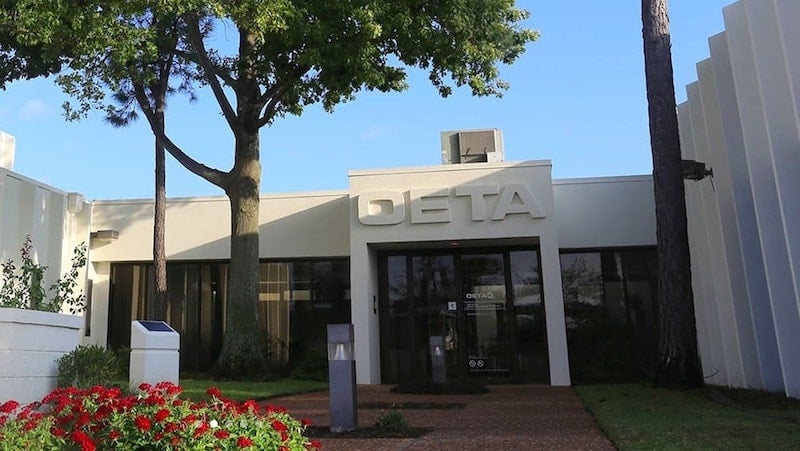
OETA looks to next governor, legislative session in bid to avoid shutdown
The station hopes a shift in political support could reverse the effects of a veto by current Republican Gov. Kevin Stitt.
 current.org
NPR reduces staff through layoffs, buyouts
The job cuts will reduce NPR's content division by about 4%.
current.org
Here are updates in the world of Public media funding and cuts.
I don't have trouble. The station fee revenue is dropping because the loss of the federal subsidy. Ergo, NPR is laying off because of the loss of the funding.Once again, read the quote from NPR: NPR CEO Katherine Maher told staff the organization expects a $15 million drop in station-fee revenue while sponsorship revenue is also softening amid economic uncertainty and declining radio listening.
Why do you have so much trouble reading this simple quote?
If there was anything dishonest, the way to investigate is bring in CPB to explain how much taxpayer money went to NPR. That was never done. CPB was never asked to testify about anything at any time during the defunding. By statute, CPB is directly responsible. Not NPR. Why didn't that happen?
Why scruntinize something that was concluded to not have value and was costing $1B+ year in and year out? Better to just cut it off and that is what happened.
A billion per year on public media for a nation of about 350 million people is less than $3 out of your pocket. You can't even buy a single copy of the New York Times for that little.Why scruntinize something that was concluded to not have value and was costing $1B+ year in and year out? Better to just cut it off and that is what happened.
Once again, if you go to the quote, there's more than the station fee dropping. And the station fee is dropping for more reasons than just the federal funding. This is part of the overall economic situation that is affecting all of broadcasting, and why commercial companies including Salem and Beasley are also cutting staff.The station fee revenue is dropping because the loss of the federal subsidy. Ergo, NPR is laying off because of the loss of the funding.
In the meantime, NPR is doing the same thing other media companies are doing, which is moving resources from broadcasting to podcasting and other digital media. Those areas were unaffected by federal funding, and aren't subject to an ideological government.
Why scruntinize something that was concluded to not have value and was costing $1B+ year in and year out? Better to just cut it off and that is what happened.
At no time did they ever discuss the value of public broadcasting. The decision was made strictly for ideological reasons. In fact, after the funding was cut, a number of congressmen sought to revive some of the federal funding because they realized the service WAS valuable particularly in rural areas. At some point, congress is going to have to decide if it's purpose is to serve the public or serve a president. They haven't figured that out yet.
Not that he'd want to!A billion per year on public media for a nation of about 350 million people is less than $3 out of your pocket. You can't even buy a single copy of the New York Times for that little.

Doesn't matter -- even if it meant only a penny out of taxpayers' pockets, public broadcasting/NPR/PBS mooched the pooch by going with a beyond-obvious, widely recognized editorial tilt. Taxpayers shouldn't be forced to fund that type of partisan programming, regardless of whether the tilt was left or right.A billion per year on public media for a nation of about 350 million people is less than $3 out of your pocket. You can't even buy a single copy of the New York Times for that little.
Taxpayers shouldn't be forced to fund that type of partisan programming, regardless of whether the tilt was left or right.
They didn't just defund what they decided was "partisan programming." They also defunded music shows, educational shows, and children's TV.
Stations that didn't carry PBS or NPR programming still lost money that they had applied for and already received.
The agency that was defunded never had the opportunity to explain or defend itself. They were accused, convicted, and punished with no trial.
And the stations still have to operate under rules imposed on them by the government, just without any government funding.
Last edited:

There are worse things that tax payers pay for that do far more damage than PBS. Just because you don’t like the message doesn’t make it a bad thing to fund.Doesn't matter -- even if it meant only a penny out of taxpayers' pockets, public broadcasting/NPR/PBS mooched the pooch by going with a beyond-obvious, widely recognized editorial tilt. Taxpayers shouldn't be forced to fund that type of partisan programming, regardless of whether the tilt was left or right.

It's been years since I have heard any new substance to these arguments, because there really isn't any.
Nobody's minds are being changed here, on either side.
"Public broadcasting is biased and we shouldn't spend any money on it"
"It's a tiny fraction of government spending"
Around and around and around it goes, often with the same players who've been reciting the same talking points for years.
Y'all aren't bored by now?
Nobody's minds are being changed here, on either side.
"Public broadcasting is biased and we shouldn't spend any money on it"
"It's a tiny fraction of government spending"
Around and around and around it goes, often with the same players who've been reciting the same talking points for years.
Y'all aren't bored by now?
Y'all aren't bored by now?
Radio formats are based on repetition. CHR stations play their heavies over a hundred times a week.
It's been years since I have heard any new substance to these arguments, because there really isn't any.
Nobody's minds are being changed here, on either side.
"Public broadcasting is biased and we shouldn't spend any money on it"
"It's a tiny fraction of government spending"
Around and around and around it goes, often with the same players who've been reciting the same talking points for years.
Y'all aren't bored by now?
No, they're not. And the reason is because emotions have been roused on both sides. And when emotions are aroused, the same arguments can go on and on until those emotions subside. In other words, though we humans like to think of ourselves as intelligent and logical creatures, the fact is that most of our decision-making is primarily based on our emotions. (I know I'm off topic but I felt you deserved a legitimate answer to your *very* legitimate comment.)
So you would be in favor of taxpayer funding if PBS/NPR leaned right editorially (a la Fox News) rather than left (a la MS NOW)?There are worse things that tax payers pay for that do far more damage than PBS. Just because you don’t like the message doesn’t make it a bad thing to fund.
... and that's where NPR and PBS mooched the pooch. Rather than serving up balanced programming, particularly given they were using public funds, the programming was widely recognized as having a leftward tilt -- thus, that residue got on everything else in terms of public broadcasting. And this tilt long predated the Trump years. (Again, full disclosure, I'm a registered independent.)They didn't just defund what they decided was "partisan programming." They also defunded music shows, educational shows, and children's TV.
Stations that didn't carry PBS or NPR programming still lost money that they had applied for and already received.
The agency that was defunded never had the opportunity to explain or defend itself. They were accused, convicted, and punished with no trial.
And the stations still have to operate under rules imposed on them by the government, just without any government funding.
So you would be in favor of taxpayer funding if PBS/NPR leaned right editorially rather than left?
Had the issue really been about that, they could have simply cut funding to NPR & PBS. Instead they cut all funding for all radio & TV.
There is no political lean for classical music or children's programming. But that's what got cut.
Rather than serving up balanced programming, particularly given they were using public funds, the programming was widely recognized as having a leftward tilt -- thus, that residue got on everything else. And this tilt long predated the Trump years.
The programming wasn't "widely recognized." If it was, they would not have received the money in the first place. There was no requirement for any radio or TV station to air any programming it objected to. These are the same people who object to Colbert and Kimmel, and neither of them use taxpayer money. This isn't about "balanced programming." It's about shutting down the media. This isn't an isolated thing.
This is the same government that will use taxpayer funding so the president can hold a political rally in Washington on the 4th of July.
Yes and each time that happens we run into this in the past year its also first amendment issue and what does Chairman Carr and the White House find offensive not just when late night TV Hosts speak but also what are the PBS Frontline Episodes or PBS News Hour Segments or NPR News segments does Chairman Carr want censored because it involves the President and his cabinet. Its some of the reasons we keep running into the Defund CPB, NPR, PBS and their affiliates talking points.It's been years since I have heard any new substance to these arguments, because there really isn't any.
Nobody's minds are being changed here, on either side.
"Public broadcasting is biased and we shouldn't spend any money on it"
"It's a tiny fraction of government spending"
Around and around and around it goes, often with the same players who've been reciting the same talking points for years.
Y'all aren't bored by now?
Last edited:
There is no political lean for classical music or children's programming. But that's what got cut.
Small correction here. Religious conservatives lead by the late Jerry Fallwell and the late Phyllis Schlafflly (may have screwed up spelling of her last name) were protesting the Children's Television Workshop and programs such as "Sesame Street," and "Mr. Roger's Neighborhood," since the late 1970s. Their basic charge was that these programs were teaching their kids values different than the values (supposedly) found in the Bible. Basically, these criticisms were an early form of criticisms of diversity, equity, and inclusion--though nobody knew it at the time.
The programming wasn't "widely recognized." If it was, they would not have received the money in the first place. There was no requirement for any radio or TV station to air any programming it objected to. These are the same people who object to Colbert and Kimmel, and neither of them use taxpayer money. This isn't about "balanced programming." It's about shutting down the media. This isn't an isolated thing.
I would make two additional points. First, what has been considered to be to the right has actually changed over the decades, mainly because groups on the right have been pushing the envelope further in that direction. What was considered acceptable to the right in terms of funding public radio in the 1980s is now not acceptable at all. The result has been that what was considered to be a moderate stance in the 1980s is now considered to be left or far left by members of the right. (Yes, the left has been trying to move further leftward, but it hasn't had the money or the support of the wealthy that the right has had at getting its policy prescriptions out to the public.)
Second, there is nothing in the law that created public broadcasting that requires the news service to be balanced. That decision was made by the founders of NPR and it was really based on promoting facts-based journalism. Unfortunately many (though certainly not all) facts lean left and that has angered many of those on the right.