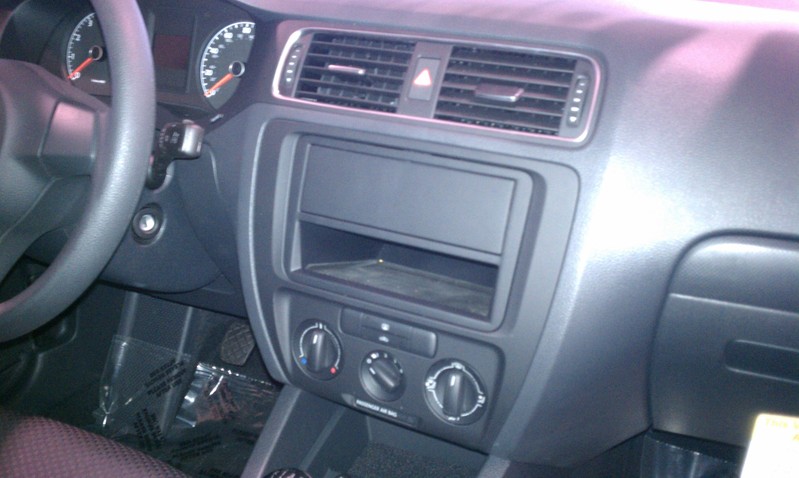
Generally by the '80s an AM/FM radio was standard, but you could order an AM-only radio as a "delete option" for a few bucks off the price.
Cars coming with no radio at all made a comeback during the Great Recession, with base models of cars like the VW Jetta, Nissan Versa, and Honda Civic lacking a radio or air conditioning:
Did You Know That You Can Still Buy A New VW Without A Radio? - 1A Auto
In the 1950s and 1960s, most passenger cars shipped to dealer lots had an AM radio. On all but the most luxurious brands, they were extra-cost, as shown on the window sticker:
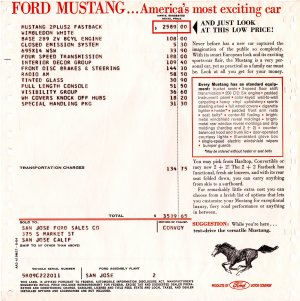
If you ordered your car from the factory (much more common in those days), you could order it without a radio, which usually showed up on the sticker as "radio delete", and a blank plate would be in the space in the dashboard where the radio would be.
As for the later (1980s) example Kevtronic shows above, that was different. It was easier and more economical for import brands like VW and Honda to ship cars without radio (and in Honda's case, without air conditioning), and make those "dealer-installed options". The dealers then could sell you AM, AM/FM or AM/FM tape, usually at a pretty nice profit, and make money from the installation, too.
But, a lot of those were pretty bad radios (some dealers declined to stock the OEM radio and bought cheap Radio Shack-level junk that they then marked up as though it was premium gear---which sent most of us (myself included, when I bought my '84 Civic) to a real stereo shop to have a real Alpine or other better brand audio system installed.
Eventually, as the import brands figured they were losing out, they began shipping with their own systems already in-dash.