Yes that’s what I meant.SXM doesn't run its programming on a "loop." Do you mean he simply has 70s on 7 playing all the time?

-
Get involved.
We want your input!
Apply for Membership and join the conversations about everything related to broadcasting.
After we receive your registration, a moderator will review it. After your registration is approved, you will be permitted to post.
If you use a disposable or false email address, your registration will be rejected.
After your membership is approved, please take a minute to tell us a little bit about yourself.
https://www.radiodiscussions.com/forums/introduce-yourself.1088/
Thanks in advance and have fun!
RadioDiscussions Administrators
You are using an out of date browser. It may not display this or other websites correctly.
You should upgrade or use an alternative browser.
You should upgrade or use an alternative browser.
Alt 92.3
- Thread starter BJSteigner
- Start date

They do replay the big 40 countdown on 80s on 8 back to back on the wknd.SXM doesn't run its programming on a "loop." Do you mean he simply has 70s on 7 playing all the time?
That's because they don't have East Coast and West Coast feeds. Still doesn't make their programming a loop.They do replay the big 40 countdown on 80s on 8 back to back on the wknd.
There are many online stations that don't play commercialsThen they typically have commercials. Digital music royalties are way too expensive to give it away.
There are many online stations that don't play commercials
There needs to be some form of revenue stream as required by the Digital Millennium Copyright Act.
Otherwise they are illegally playing music without permission or license.

There needs to be some form of revenue stream as required by the Digital Millennium Copyright Act.
Otherwise they are illegally playing music without permission or license.
Not really. Sniffen reportedly pays out of his own pocket to run Rewind Radio with no ads, as a nonprofit online hobby station with the necessary music licensing for example.
Not really. Sniffen reportedly pays out of his own pocket to run Rewind Radio with no ads, as a nonprofit online hobby station with the necessary music licensing for example.
We're talking about services that are competitive with on-air commercial radio. He is not one of them.
Not sure what you mean.That's because they don't have East Coast and West Coast feeds. Still doesn't make their programming a loop.
They dont repeat it when they play it fri/sat/mon/tue.
They only repeat it back to back on sundays.
FLOOD FM is one of them, though the music licensing and broadcasting fees are paid out of the host website’s pockets.There are many online stations that don't play commercials
FLOOD FM is one of them, though the music licensing and broadcasting fees are paid out of the host website’s pockets.
Where do they get money? Advertising? Money has to come from somewhere. Music is not free.
Where do they get money? Advertising? Money has to come from somewhere. Music is not free.
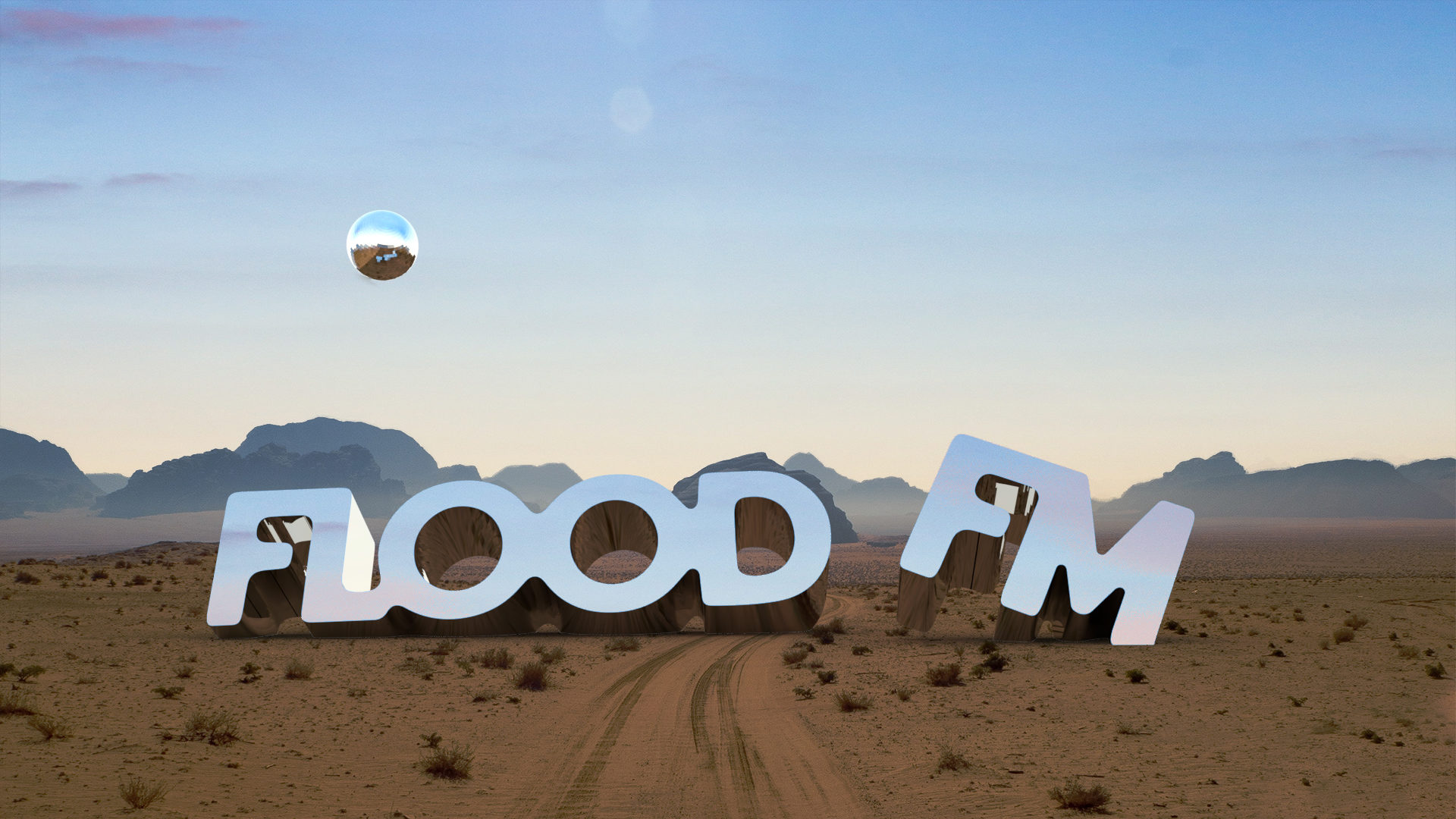
Announcing FLOOD FM, a Commercial-Free, 24/7 Streaming Music Experience
Stream the best in new and classic indie, folk, hip-hop, post-punk, and everything in between now.
 floodmagazine.com
Apparently, it has a magazine/website paying its bills.
Apparently, it has a magazine/website paying its bills.
Flood FM uses Live365, which uses the iHeart platform. So basically they're paying to access iHeartRadio.
They pay more for it to be commercial free.
Last edited:
CTListener meant that SiriusXM does not have separate feeds for the East Coast and the West Coast, unlike the broadcast TV networks. The first broadcast is for the East and the second is for the West; however, every subscriber can listen to both.Not sure what you mean.
They dont repeat it when they play it fri/sat/mon/tue.
They only repeat it back to back on sundays.
But im not sure why that changes why sometimes they repeat the countdown & sometimes they dont.CTListener meant that SiriusXM does not have separate feeds for the East Coast and the West Coast, unlike the broadcast TV networks. The first broadcast is for the East and the second is for the West; however, every subscriber can listen to both.
But im not sure why that changes why sometimes they repeat the countdown & sometimes they dont.
Because sometimes you feel like a nut, sometimes you don't.
My fav old candy bar was the "milkshake"....those were good.Because sometimes you feel like a nut, sometimes you don't.
I know the "Rock & Roll Ralphs" (Kroger grocery store) in Hollywood plays...you guessed it...classic rockHome Depot has its own in-house music system that it pipes in to all its stores. Same with CVS and WalMart.
Some may offer stores alternate music formats for certain geographical areas.

There are music licensing exemptions for stores under 2,000 square feet and restaurants under 3,750 square feet, but ONLY if it's from a television or radio. Those exemptions do not apply if you're playing music from a CD, MP3 or streaming service. Sure, it might be nice to have no commercials, but catch ASCAP, BMI, and SESAC on the wrong day and you are likely out of business tomorrow.same. Why would a store put on a radio station with limited playlists, chatter and commercials when you have millions of internet stations with none of that? It's sad for us afficionados but traditional radio is slowly dying.
Anyone can start a Live365 account, upload their music library and call themselves an internet radio station. If you pay Live365 $400 per month, you can even get listed on the iHeart app. But at the end of the day, no one works for free...Radio stations used to be called licenses to print money. These streams are quite the opposite.There are many online stations that don't play commercials

In over 60 years in radio, I never heard having a station license being compared to a license to print money. As far back as the FCC tabulations of the annual required financial reports, about half of all US radio stations do not make money. I suspect that the percentage is even higher today.Radio stations used to be called licenses to print money. These streams are quite the opposite.
Is this hyperbole, or is there something more to the idea that "half of all US radio stations do not make money"? I thought in the good old Musicradio days, any 1000 watt station with good DJs could make a tidy profit serving their community. In the current era, individual (mostly AM) stations may not make money, but the overall corporate owner does, due to the fact they provide a platform for national advertising. I would think even the recently departed WNSH made money, just not enough of it to justify being on NYC FM signal. Does the half of the US stations that 'do not make money' include religious or public/community broadcasters? - they are not in the business to be making money.In over 60 years in radio, I never heard having a station license being compared to a license to print money. As far back as the FCC tabulations of the annual required financial reports, about half of all US radio stations do not make money. I suspect that the percentage is even higher today.

In its prime, industry executives often referred to the "World Famous KROQ" as one such station that was in essence a license to print money. Those days, of course, have gone the way of the cassette.In over 60 years in radio, I never heard having a station license being compared to a license to print money. As far back as the FCC tabulations of the annual required financial reports, about half of all US radio stations do not make money. I suspect that the percentage is even higher today.
- Status
- This thread has been closed due to inactivity. You can create a new thread to discuss this topic.