I don't remember Atlantic service stations but do recall Richfield. They had a tendency to have giant signs you could see for miles. Before I was born, there was one atop Council Crest in Portland that was visible for over 40 miles!I remember an Atlantic gas station which changed to ARCO.
My grandparents had a car where the AM didn't work but it was the first car we ever had with FM, in 1983. They got a new car at that time and we got their old one. The AM worked if you were close enough to the tower to see it. That may be an exaggeration, but there weren't many stations that worked. I did pick up a 5000-watt station at 600 quite a distance away, but lost it when I went under a major power line. I didn't know where the antenna was but eventually found out those lines in the windshield weren't just there for decoration.

-
Get involved.
We want your input!
Apply for Membership and join the conversations about everything related to broadcasting.
After we receive your registration, a moderator will review it. After your registration is approved, you will be permitted to post.
If you use a disposable or false email address, your registration will be rejected.
After your membership is approved, please take a minute to tell us a little bit about yourself.
https://www.radiodiscussions.com/forums/introduce-yourself.1088/
Thanks in advance and have fun!
RadioDiscussions Administrators
You are using an out of date browser. It may not display this or other websites correctly.
You should upgrade or use an alternative browser.
You should upgrade or use an alternative browser.
AM CAR ANTENNAS OF THE 60S.
- Thread starter wibgradio99
- Start date
I don't know whether they had Richfield gas stations around here.I don't remember Atlantic service stations but do recall Richfield. They had a tendency to have giant signs you could see for miles. Before I was born, there was one atop Council Crest in Portland that was visible for over 40 miles!

Yes, cold starting only. But you appear to be wrong on the other point. They do, in fact turn the liquid fuel into vapor because liquid fuel is more difficult to ignite. I researched this before responding to you. And yes, they are not used, or needed, once the diesel is running. Google is your friend.Nope. The glow plugs are only used for cold starting. They heat up the prechambers before the engine is started and before any fuel is injected. When the glow plugs are finished heating and shut off, then you start the engine. They do not operate when the engine is running.
As someone who has owned five diesel cars -- two Mercedes, two VWs, and one Audi -- I'm familiar with how they operate. And another benefit: no ignition noise to interfere with AM reception!
I also owned a diesel (VW engine in a Volvo 760 sedan) but never will again. Noisy, smelly, underpowered (and mine was a turbo), makes a huge mess (oil becomes like black ink and will stain everything it touches), fuel is much more expensive than gasoline (didn't used to be), and purchase price and repair costs are way higher than a gas engine. It did have a lot of low end grunt and was useful for towing and it got about 40 mpg on the highway.
Another benefit; if some idiot was tailing me too closely I'd downshift into a lower gear and floor it. The huge black exhaust cloud would usually get rid of them.

The full name of that gas station brand was Atlantic Richfield. I had one around the corner from my house in the 50's.I don't remember Atlantic service stations but do recall Richfield. They had a tendency to have giant signs you could see for miles. Before I was born, there was one atop Council Crest in Portland that was visible for over 40 miles!
You're splitting hairs. The glow plugs heat up the prechambers, and then that heat helps to ignite the fuel and start the engine. But they don't heat the fuel directly -- again, there is no fuel being injected when the glow plugs are operating.They do, in fact turn the liquid fuel into vapor because liquid fuel is more difficult to ignite. I researched this before responding to you. And yes, they are not used, or needed, once the diesel is running. Google is your friend.
I've driven, but never owned a Volvo diesel. Yes, they were slow, but all cars were slow back in the early '80s. Even a V8-powered Lincoln took 14 seconds to go from 0 to 60. Today my Jetta with a tiny 1.4L turbo gas engine does it in 8 and gets 40 MPG on the highway on regular gasoline.I also owned a diesel (VW engine in a Volvo 760 sedan) but never will again. Noisy, smelly, underpowered (and mine was a turbo), makes a huge mess (oil becomes like black ink and will stain everything it touches), fuel is much more expensive than gasoline (didn't used to be), and purchase price and repair costs are way higher than a gas engine. It did have a lot of low end grunt and was useful for towing and it got about 40 mpg on the highway.
The implementation of ultra-low-sulfur fuel in 2009 did a lot to clean up diesel exhaust. It's a far cry from the sludge they called diesel 40 years ago.Another benefit; if some idiot was tailing me too closely I'd downshift into a lower gear and floor it. The huge black exhaust cloud would usually get rid of them.
Glow plugs are heating elements that warm the air-fuel mixture in the combustion chamber or pre-chamber (IDI engines). The extra heat provided by the glow plug aids in combustion when the engine and intake air is cold on initial startup. This process is known as pre-heating.You're splitting hairs. The glow plugs heat up the prechambers, and then that heat helps to ignite the fuel and start the engine. But they don't heat the fuel directly -- again, there is no fuel being injected when the glow plugs are operating.
Pre-heating changed as diesel technology improved. Early thermostat glow plug systems (we’ll cover glow plug types later) required the driver to manually activate the plug for 20 seconds or more before starting the engine.
The advent of in-cylinder glow plugs allowed the plugs to be activated when the key was turned to the “on” position. A “wait to start” light on the dash would let the driver know when to turn the engine over.
Modern glow plug systems require far less time to achieve the temperature required for startup, typically around 6-8 seconds. To further improve pre-heating speed, newer vehicles activate glow plugs when the doors are unlocked or opened.
It was a VW engine in a Volvo 760. And it was a slug. My wife was commuting about 60 miles per day and it was a comfy ride. She liked it (but didn't have to work on it).I've driven, but never owned a Volvo diesel. Yes, they were slow, but all cars were slow back in the early '80s. Even a V8-powered Lincoln took 14 seconds to go from 0 to 60. Today my Jetta with a tiny 1.4L turbo gas engine does it in 8 and gets 40 MPG on the highway on regular gasoline.
And your "little" Jetta weighs about half of what that Lincoln weighed. Lincolns were made to be smooooth, not fast.

And some car manufacturers had what they called "clean diesel" which involved the low sulfur fuel and modified engines. That all went into effect between 2007 and 2010. I have a BMW SUV that is one of those models, and it gets about 32 mpg on the freeway and 28 in the city. It uses a "cleaner" liquid to further cleanse the exhaust and that must be refilled about every 15,000 to 18,000 km.The implementation of ultra-low-sulfur fuel in 2009 did a lot to clean up diesel exhaust. It's a far cry from the sludge they called diesel 40 years ago.
As someone who has used what are today called "SUV" vehicles since I had to first have one to get to my transmitters in Ecuador in the 60's, the BMW is amazingly responsive and has better pickup than any other I have had or tried. It also has the lowest maintenance cost, and I'm going on 7 years with my current one.

Getting back somewhat to the main subject although it was in the 70's and 80's I was listening to CCM radio from Memphis from low power AM stations at the time and had as long an antenna as possible on my car and discovered the ones with a wire coil on the end, which seemed to work best.
Also, concerning the antenna balls when they were a Top 40 station WHBQ in Memphis used to have what they called Q Balls and tied them into giveaways. I had one of those on my car antenna.
Also, concerning the antenna balls when they were a Top 40 station WHBQ in Memphis used to have what they called Q Balls and tied them into giveaways. I had one of those on my car antenna.
Here is the website that describes the cleaner.And some car manufacturers had what they called "clean diesel" which involved the low sulfur fuel and modified engines. That all went into effect between 2007 and 2010. I have a BMW SUV that is one of those models, and it gets about 32 mpg on the freeway and 28 in the city. It uses a "cleaner" liquid to further cleanse the exhaust and that must be refilled about every 15,000 to 18,000 km.
Is Cow or Bat Urine Really in Your Diesel Exhaust Fluid?
IIRC those coils lengthened the electrical length of the antenna for better AM reception.Getting back somewhat to the main subject although it was in the 70's and 80's I was listening to CCM radio from Memphis from low power AM stations at the time and had as long an antenna as possible on my car and discovered the ones with a wire coil on the end, which seemed to work best.
Yes, ARCO stands for "Atlantic Richfield". Standard Oil used to have Chevron Dealers and Standard Stations. I haven't seen a Standard Station in decades! Are they still around?The full name of that gas station brand was Atlantic Richfield. I had one around the corner from my house in the 50's.
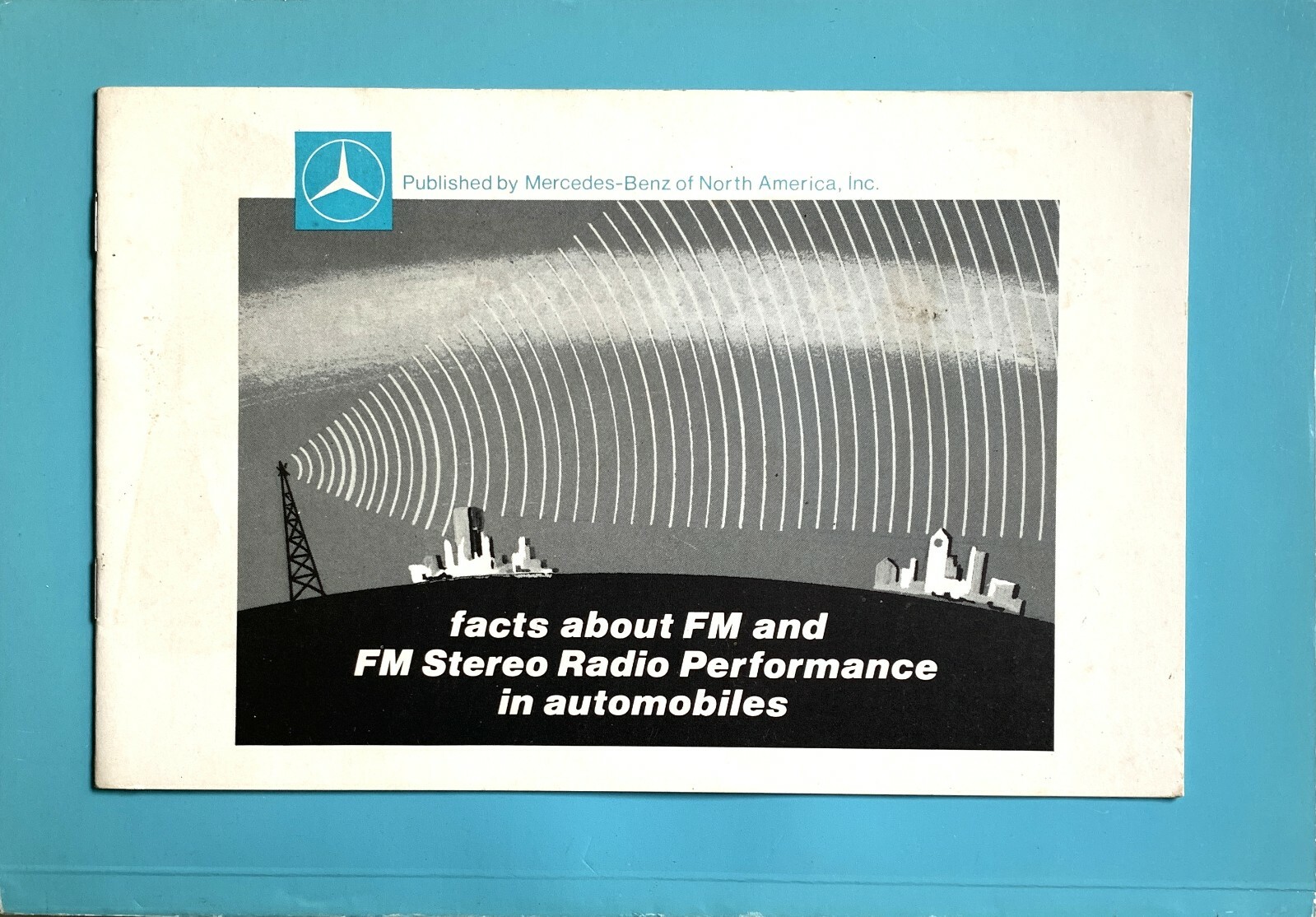
My Mercedes 300D had a switch on the dash to manually raise and lower the power antenna. They published a separate manual all about FM radio reception, talking about line of sight, multipath, picket fencing, etc. It instructed you to lower the antenna in urban areas to prevent strong signals from overloading the receiver.
Standard eventually became Amoco, which was absorbed into BP. But the brand has been brought back in recent years: https://en.wikipedia.org/wiki/AmocoYes, ARCO stands for "Atlantic Richfield". Standard Oil used to have Chevron Dealers and Standard Stations. I haven't seen a Standard Station in decades! Are they still around?
What outdoor AM antenna are you getting?First of all, your radio is DSP tuned.
Second, remember the car is grounded which helps.
Third I'm sure there's an amp before the antenna which helps.
4th, see why I'm getting an outdoor AM antenna for my roof?
I have it but it needs to be replaced.
I want to get that kinda reception I can get in the car in my house!
and literally nothing helps.
While there are some intricate and costly DXer type AM antennas, the best "consumer" antenna is just a hunk of wire strung between two poles, two trees or even up the side of a home or apartment. With a cautionary lightning arrestor and an insulated (and preferably shielded) lead-in to the radio, that is all you need.What outdoor AM antenna are you getting?
The Mobil station near my old house had a Del Taco with tables inside. I used to joke with my kids that we will be dining at the gas station.The issue is that few gas stations can offer a general "mechanic" like they did back in the day. Now with so much computerized and specialty equipment required to diagnose and repair newer vehicles, the cost of just keeping up with the tools, technology, required equipment and training/certification of staff is cost prohibitive. That's to say nothing of insurance requirements, salaries and the like. It's also a case where there's so much competition now that the mom and pop gas stations simply can't compete in many cases, aside from maybe basic mechanical work, radio or window tint installation, tire changes and repair and the like.
Where I grew up, there were probably 1/2 dozen "service stations" in that city when I was young, most of them located in gas stations, and there was 1 locally owned auto parts store. Now there are 3 national chain auto parts stores and 2 national chain lube/brake/tire shops. The smaller, independent guys working out of gas stations had too much competition to stay in the game. Most gas stations make very little on the sale of fuel, and that's where mini-marts, convenience foods and ATMs came in to help them clear a bit of profit. Where I live now, some gas stations have gotten creative. One sells really nice quality wines and craft beers, and they'll fill up or sell you a growler of one of a number of beers on tap. Another has removed the service bays, re-decorated the interior really nicely and in their place they have a high-end wine shop in the back, a cafe with fresh pastries and cakes in the front and a pretty outstanding Spanish restaurant. It seems funny to go park at a gas station and go inside to eat, but that restaurant is always packed, sometimes with a line.
I remember hearing that some BP franchisees wanted the Standard name back after the BP oil spill.Standard eventually became Amoco, which was absorbed into BP. But the brand has been brought back in recent years: https://en.wikipedia.org/wiki/Amoco
To tie it all together, anyone working in radio in those cold Ohio winters (especially in the late 70s) remembers the Sohio Temperature Forecast (Michigan had the same thing with Boron...those aired on CKLW. I forgot what the threshold was, but when the temperature was forecast to be below a certain temp, the order was placed and added manually to the log. Here it is on WNCI:
. You go, or Sohio/Boron pays your tow
True.....those were the days when cars were notably unreliable. All of these gas stations with 3 service bays running 12 hours a day, 6 days a week to keep them glued together.We should be glad there isn't a service station on every corner anymore. They're a relic of the time when cars broke down a lot, engines needed constant tune-ups, tires wore out quickly, and flats and blow-outs were common. Many of them were environmental disasters, dumping their used oil and antifreeze on the ground or into the sewer, and had gas tanks that started leaking and polluting nearby wells.
When I was DXing some years ago I did just that. Strung a wire between my 2nd story deck and a citrus tree about 30 feet away. Worked great as I could reliably pick up Australia and NZ daily in our afternoon. Trouble was, birds kept flying into it so I took it down.While there are some intricate and costly DXer type AM antennas, the best "consumer" antenna is just a hunk of wire strung between two poles, two trees or even up the side of a home or apartment. With a cautionary lightning arrestor and an insulated (and preferably shielded) lead-in to the radio, that is all you need.
- Status
- This thread has been closed due to inactivity. You can create a new thread to discuss this topic.