Here are two articles that dispute the conventional wisdom that people 55+ or 65+ don’t respond to advertising because their brand preferences are locked in place:
These Broadcasters Are Mining Massive 65+ Spending Power.
Older But Wiser
But could it be that the ads themselves are the cause? For years, ads have specifically targeted a younger audience, and it’s just possible that in the process they’ve turned off older potential customers. Some examples:
- Back when 4-wheel drive was relatively new in passenger cars, Subaru used the slogan, “From the wheels that slip, to the wheels that grip,” to market their USP (unique selling proposition.) Today, their ads tell us that “Love makes a Subaru!” Anyone over 55 with a brain knows that a big automotive plant makes a Subaru, not love. So, IMO, Subaru’s ads over the past several decades have not resonated with the 55+ crowd who might well respond to an ad showing some benefits.
- Progressive Insurance is actually attacking people 55+ with their, “You’re becoming your parents,” campaign. Some of the ads are amusing and do apply to some aging adults, although it’s not very “woke” to make fun of declining mental sharpness. But what older adult would sign up with Progressive based on those ads? You get what you wish for.
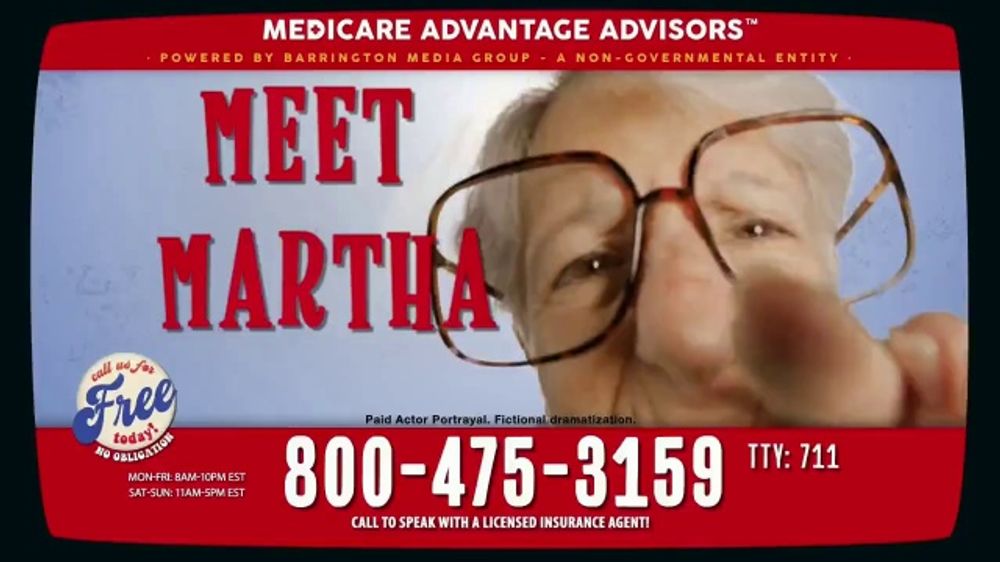
- Then there’s the Medicare Advantage TV ad featuring a stereotypical cranky old lady, “Martha.” I can almost guarantee you that the ad was conceived, written and produced by Millennials. How is this supposed to attract the target audience?
Another reason not to ignore, or turn off, an older audience is that brands often disappear. When the A&P went out of business, customers of all ages needed a new place to shop. Why target just a portion of that potential audience?
And of course as new categories of products emerge, there’s no brand loyalty to begin with so age should not be a factor in targeting ads.
These Broadcasters Are Mining Massive 65+ Spending Power.
Older But Wiser
But could it be that the ads themselves are the cause? For years, ads have specifically targeted a younger audience, and it’s just possible that in the process they’ve turned off older potential customers. Some examples:
- Back when 4-wheel drive was relatively new in passenger cars, Subaru used the slogan, “From the wheels that slip, to the wheels that grip,” to market their USP (unique selling proposition.) Today, their ads tell us that “Love makes a Subaru!” Anyone over 55 with a brain knows that a big automotive plant makes a Subaru, not love. So, IMO, Subaru’s ads over the past several decades have not resonated with the 55+ crowd who might well respond to an ad showing some benefits.
- Progressive Insurance is actually attacking people 55+ with their, “You’re becoming your parents,” campaign. Some of the ads are amusing and do apply to some aging adults, although it’s not very “woke” to make fun of declining mental sharpness. But what older adult would sign up with Progressive based on those ads? You get what you wish for.
- Then there’s the Medicare Advantage TV ad featuring a stereotypical cranky old lady, “Martha.” I can almost guarantee you that the ad was conceived, written and produced by Millennials. How is this supposed to attract the target audience?
Another reason not to ignore, or turn off, an older audience is that brands often disappear. When the A&P went out of business, customers of all ages needed a new place to shop. Why target just a portion of that potential audience?
And of course as new categories of products emerge, there’s no brand loyalty to begin with so age should not be a factor in targeting ads.