• Get involved.
    We want your input!
    Apply for Membership and join the conversations about everything related to broadcasting.

    After we receive your registration, a moderator will review it. After your registration is approved, you will be permitted to post.
    If you use a disposable or false email address, your registration will be rejected.

    After your membership is approved, please take a minute to tell us a little bit about yourself.
    https://www.radiodiscussions.com/forums/introduce-yourself.1088/

    Thanks in advance and have fun!
    RadioDiscussions Administrators

Trump threatens a 100% tariff on foreign-made films

This is going to affect what you will see on TV apps like Netflix, Amazon Prime Video, Paramount+, Peacock, YouTube and Disney+/Hulu. How does that work for films especially when people can access content on their TV's easily. Also consider that Canada has been the place where some of the films are made and they got there on Tax Credits in the past. Plus how does one define foreign made films given that Sony owns a Studio in the United States but their CEO and Boards office are in Japan.

U.S. film and television production has been hampered in recent years, with setbacks from the COVID-19 pandemic, the Hollywood guild strikes of 2023 and the recent wildfires in the Los Angeles area. Overall production in the U.S. was down 26% last year compared with 2021, according to data from ProdPro, which tracks production.

The group’s annual survey of executives, which asked about preferred filming locations, found no location in the U.S. made the top five, according to the Hollywood Reporter. Toronto, the U.K., Vancouver, Central Europe and Australia came out on top, with California placing sixth, Georgia seventh, New Jersey eighth and New York ninth.
 
A lot of U.S. TV shows are shot in Canada. How does this move affect those productions?
That’s uncertain here. Also how does this affect “foreign” studios like Sony, BBC, ITV, and others that may sometimes do films within the United States like doing films in New York, Atlanta and Los Angeles for some scenes.

 
This moron has absolutely no idea how the economy functions and is clinging to this belief that tarrifs make everything better, which anyone with a rudimentary understanding of economics would immediately disprove.

Not a single one of his supporters will care one iota about the economic calamity this and his other inspid tarriffs will create.
 

Here is SAG-AFTRA response to the Tariffs.


Here is the California Governor response to the Tariffs on Films.
 
This moron has absolutely no idea how the economy functions and is clinging to this belief that tarrifs make everything better, which anyone with a rudimentary understanding of economics would immediately disprove.
Essentially all the free lesser developed countries have a system where imports are all heavily taxed while exports are incentivized. The idea is simple: avoid the outflow of money.

That's why, to use a real world example, a $1,200 console like a Gates Yard cost me, in 1963, about $2,800 by the time it arrived at my offices in Quito. Taxes, shipping and customs broker fees all together more than doubled the cost. Talking with some broadcasters there recently, I find that the costs are just as high due to the same taxes and fees.

Another example: Ecuador did not get commercial television until well into the 60's (1963 in Guayaquil, 1967 in Quito and later in other big cities) because a TV set cost about twice the average annual income of the population there.

Right now, the U.S. has a huge trade deficit. Nations that prevent such deficits almost always are either big exporters of a product like oil or minerals or they have very high import taxes to prevent a trade deficit.

One of the reasons why the current group of stations in lesser developed nations don't buy things like 40 kw FM transmitters and the most expensive studio gear is the import tax burden. They'd rather use lower cost and lower power transmitters and less sophisticated studio gear because of the high cost of imports. In some countries, like Brazil and Chile, this has encouraged local manufacture of broadcast gear.
 
This moron has absolutely no idea how the economy functions and is clinging to this belief that tarrifs make everything better, which anyone with a rudimentary understanding of economics would immediately disprove.

Not a single one of his supporters will care one iota about the economic calamity this and his other inspid tarriffs will create.
They have been programmed daily to believe in what charlatans say unchecked for nearly 40 years.

We're talking about that hardcore 30% of the people who completely want a f--k everything, fascist takeover. The miserable 30% who want everyone else to suffer too for their own lots in life (which typically come from a number of variables.) And they don't care if the rich get everything at their own expenses too. Just as long as their perceived enemy (LGBTQ+, Poor, Feminist, Immigrant, Of Color, Autistic, etc.) that they have been told repeatedly by certain members of the media for unknown reasons is their enemy is suffering visibly too.

Did I mention we're talking about 30% of Americans. This isn't a bug in the program. This is a national mental health crisis.
 
They have been programmed daily to believe in what charlatans say unchecked for nearly 40 years.

We're talking about that hardcore 30% of the people who completely want a f--k everything, fascist takeover. The miserable 30% who want everyone else to suffer too for their own lots in life (which typically come from a number of variables.) And they don't care if the rich get everything at their own expenses too. Just as long as their perceived enemy (LGBTQ+, Poor, Feminist, Immigrant, Of Color, Autistic, etc.) that they have been told repeatedly by certain members of the media for unknown reasons is their enemy is suffering visibly too.

Did I mention we're talking about 30% of Americans. This isn't a bug in the program. This is a national mental health crisis.
100%
 
Did I mention we're talking about 30% of Americans.

Do a little research on the history of prohibition. A very small minority somehow convinced the congress and a majority of the states to vote for a constitutional amendment that made the sale and consumption of alcohol a federal crime. No beer, no wine, no spirits. All illegal. It came after the last pandemic. Prohibition lasted over ten years. It took the great depression and Roosevelt to get it repealed. But we're about to go through another similar period. All driven by basically the same minority.
 

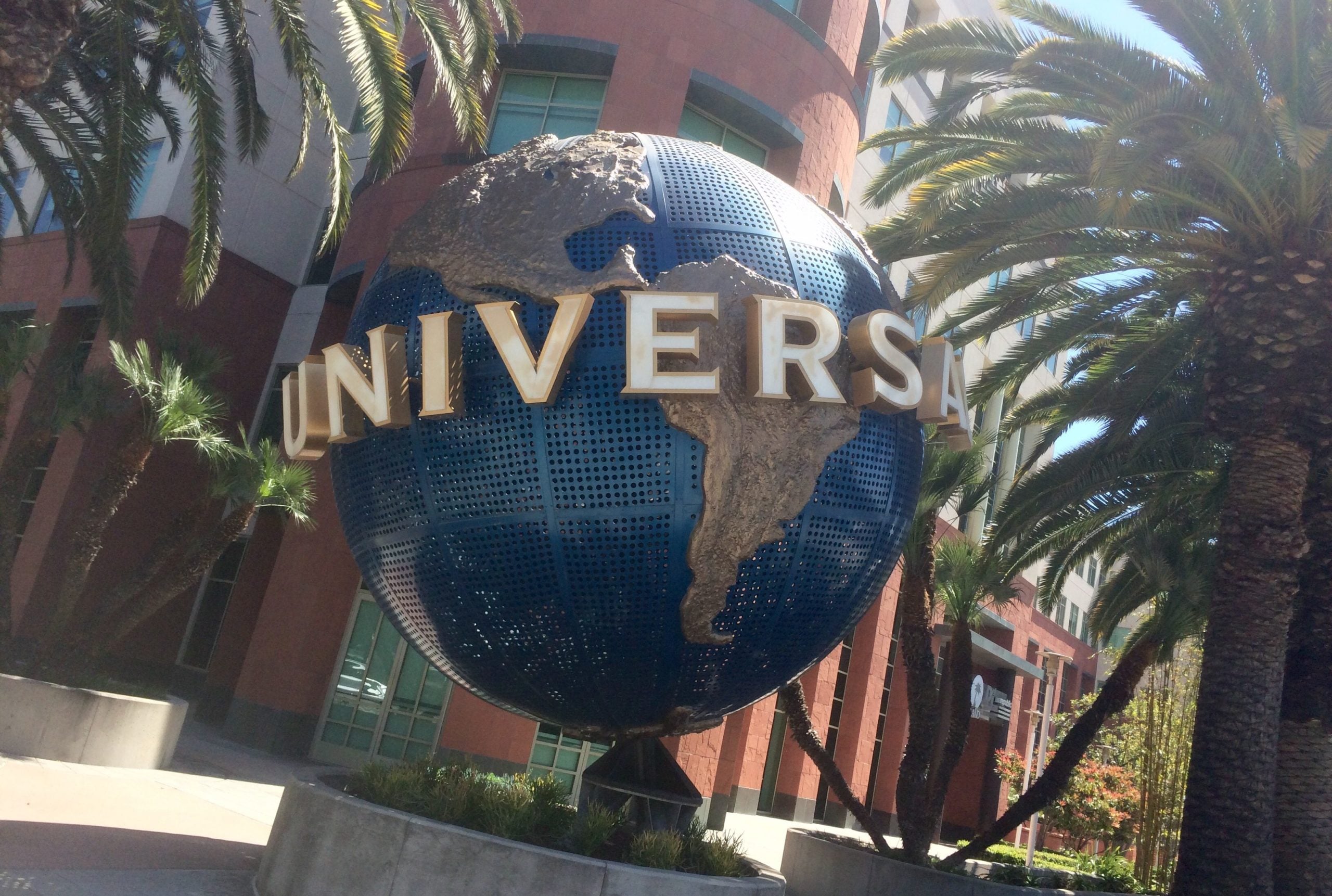
We mentioned this one in the past with Music Labels. The ones that we say are done in the United States are actually owned by “Foreign Investment Companies” like Universal Music Group and MCA they are owned by Vivendi of France and TenCent of China. Its headquarters are in the Netherlands and its operations are in Nashville and Los Angeles.


Likewise we say Sony Music Headquarters is in Japan but their operations are in Culver City in the Los Angeles area. How do they get affected by the tariffs are yet to be seen given that we need congress and courts to respond to the proposed plans.


Consider another one Fremantle they produce TV shows here in the United States but their main headquarters is in Britain. See there are TV shows that identify themselves as American given that the shows are filmed in the US. But their owners are foreign such as American Idol, Family Feud and The Price is Right, Got Talent. Likewise Disney, Paramount, Netflix, Starz, Lionsgate, MGM and Universal can identify themselves as American film companies but some of their films are done outside of the United States for Tax Credit incentive reasons.

Yes this is like some Toyotas manufacturing operations are in the United States while their main offices are in Japan type scenario. How Tariffs affect operations that are both US and Outside the country is yet to be seen by congress.

 
Last edited:
That's why, to use a real world example, a $1,200 console like a Gates Yard cost me, in 1963, about $2,800 by the time it arrived at my offices in Quito. Taxes, shipping and customs broker fees all together more than doubled the cost. Talking with some broadcasters there recently, I find that the costs are just as high due to the same taxes and fees.

A lot has changed in the last 60 years in the realm of trade agreements between nations. Ecuador is no exception.

The United States and Ecuador signed a free trade agreement at the end of the Reagan administration, and it has been updated several times, most recently by the Trump administration in 2020 to reduce trade barriers in agricultural products.

According to a report from the US Department of Commerce, export rates from the United States and dozens of other countries with which Ecuador has trade agreements are relatively low, but not zero:
[Ecuador's] average applied Most Favored Nation (MFN) tariff rate was 7.6 percent for industrial products and 19.6 percent for agricultural products
Source: Ecuador - Import Tariffs | export.gov

There are some categories which Ecuador charges high duties, like cigarettes, liquor and perfume.

Chile also has low import duties, according to the US Dept. of Commerce: Chile - Import Tariffs | export.gov
The U.S.-Chile Free Trade Agreement (FTA) came into force on January 1, 2004. Tariffs on 90% of U.S. exports to Chile were eliminated immediately. Since January 1, 2015, all trade between the U.S. and Chile became duty-free (i.e. zero tariff).

I'd be surprised if local production of broadcast gear in Chile still made sense, given that US manufacturers have been duty free for over 20 years.
 

We mentioned this one in the past with Music Labels. The ones that we say are done in the United States are actually owned by “Foreign Investment Companies” like Universal Music Group and MCA they are owned by Vivendi of France and TenCent of China. Its headquarters are in the Netherlands and its operations are in Nashville and Los Angeles.


Likewise we say Sony Music Headquarters is in Japan but their operations are in Culver City in the Los Angeles area. How do they get affected by the tariffs are yet to be seen given that we need congress and courts to respond to the proposed plans.


Consider another one Fremantle they produce TV shows here in the United States but their main headquarters is in Britain. See there are TV shows that identify themselves as American given that the shows are filmed in the US. But their owners are foreign such as American Idol, Family Feud and The Price is Right, Got Talent. Likewise Disney, Paramount, Netflix, Starz, Lionsgate, MGM and Universal can identify themselves as American film companies but some of their films are done outside of the United States for Tax Credit incentive reasons.

Yes this is like some Toyotas manufacturing operations are in the United States while their main offices are in Japan type scenario. How Tariffs affect operations that are both US and Outside the country is yet to be seen by congress.

The only major record company still owned and based in America is Warner/Reprise and sub-labels (Atlantic/Elektra, Island etc.)

I don't know if this is a film industry specific tariff or not. But even if it targets just movies, every other sector of the entertainment industry is going to feel it because it will not end there. If he's successful with this, music is absolutely next.

And if he really wants to stir up a hornet's nest, mess with the music community and let's just see how far he can run. Because if you've ever wanted to see everybody from Barbra Streisand to GWAR united on just one thing....
 
So, how is this tariff going to be implemented? Is it going to be charged when the print of the film hits the dock? For the actual cost of the print? IS it going to be added to the ticket price of the movie? Charged on the production cost? Charged on how much money the movie grosses?

What do they do about location shoots? I don't think "Lawrence of Milwaukee" would be nearly as great a film as "Lawrence of Arabia."

Another half-baked idea dreamed up in the middle of the night?
 
So, how is this tariff going to be implemented? Is it going to be charged when the print of the film hits the dock? For the actual cost of the print? IS it going to be added to the ticket price of the movie? Charged on the production cost? Charged on how much money the movie grosses?
Simple. Forcing the the Big Five studios to obey and cater to whatever whim he wants, especially when Paramount, Disney and Universal are co-owned with CBS News, ABC News and NBC News, respectively, and MGM is co-owned with Amazon. Just force them not to produce any content critical of Trump or any Republican and they'll be A-OK.

The small indie studios are SOL.
Another half-baked idea dreamed up in the middle of the night?
Jon Voight dreamt this up mostly because his film career long passed him by. So there's that.
 
Last edited:
Simple. Forcing the the Big Five studios to obey and cater to whatever whim he wants, especially when Paramount, Disney and Universal are co-owned with CBS News, ABC News and NBC News, respectively, and MGM is co-owned with Amazon. Just force them not to produce any content critical of Trump or any Republican and they'll be A-OK.

The small indie studios are SOL.

Jon Voight dreamt this up mostly because his film career long passed him by. So there's that.
All roles must be offered to Kevin Sorbo.


The one specific group that can implement or reject tariffs is congress. Here is the current response with congress and tariffs.
 
The only major record company still owned and based in America is Warner/Reprise and sub-labels (Atlantic/Elektra, Island etc.)

Technically speaking, Universal and Sony have US subsidiaries. The work is done here. These tariffs are manufacturing tariffs. They're not aimed at foreign ownership but the use of foreign manufacturing. So US companies such as Apple and Ford are penalized because their products are made overseas. Even though the profits are taxed in the US. That's partly what makes these tariffs so antiquated. So as long as the music is written and recorded in the US, there are no tariffs, even though the money goes to Japan and France, and the content is owned by foreign companies. Similarly, US movie companies will be penalized and forced by the government to make movies here even though they are US companies.


Back
Top Bottom