I'm reading this argument between
@TheBigA,
@Buddy Shula,
@K.M. Richards, and
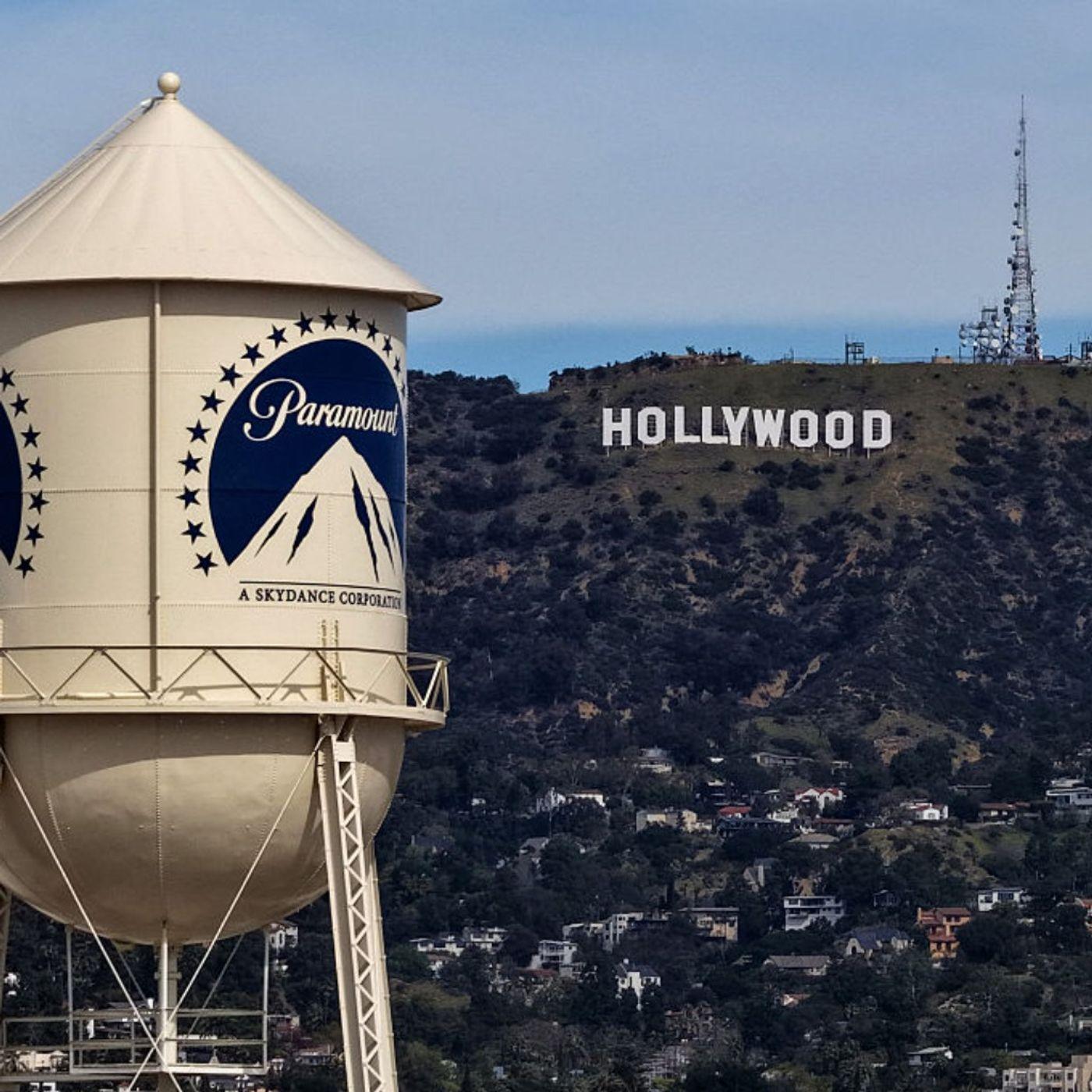
@davideduardo, and I am reminded of this morning's interview with Dr. Victor Pickard, a media studies analyst at Pennsylvania State University by WNYC's "On The Media" host Mica Lowenger.
Netflix is backing out of a bid to acquire Warner Brothers Discovery, clearing the way for Paramount to take over. On this week’s On the Media, what happens to journalism and democrac...

www.wnycstudios.org
During the interview, Dr. Pickard notes that advertising did not become the primary focus for newspapers until the late 1800s (prior to then, the model was mostly a subscription one with roughly 40% of the money being made from advertising). When commercial radio was invented in the 1920s, it simply surplanted, to the best of its ability, the advertising model used by newspapers simply because there was no way to force people to pay subscriptions for the radio service and the U.S. chose not to follow in the footsteps of most other democracies and require a tax on radio and (later) TV set purchases to help pay for the programming.
And here is where we are today. The argument is being made that regular programming can be relaxed somewhat during weekends because fewer people listen then and because Nielsen really doesn't monitor (or at least it doesn't publish any results of monitoring) weekend listening.
@TheBigA and
@davideduardo are arguing that all programming, no matter what time slot it is in, should follow a rigid "make money for the station" model. In other threads,
@TheBigA has gone so far as to argue that, because of people jumping to the Internet, radio should follow the model of the Internet stations and do a 24/7 rigid format.
Frankly, I find this argument to be ridiculous. Individual Internet radio stations do not and cannot serve a lot of people at one time for several reasons. There are no FCC licenses for Internet stations and no public service requirements to fulfill. However, if Internet radio stations play copyrighted music, then they must pay a per song per listener fee for each and every song to the recording industry, something that is not now required for over-the-air only broadcasters.
Look! Three weeks ago, KAZG in the Phoenix market abruptly dropped the hour of pre-Beatles music it was playing between 7 and 8am on Sunday mornings in favor of an hour-long infomercial to purchase stock advice for AI stocks. While I'm sure the station is being paid for the infomercial time, I can't help but think that that infomercial is drawing more listeners away from the station than the pre-Beatles rock did that it used to play during that hour. I also believe that there is absolutely nothing wrong for a radio station that is formatted with 1960s and 1970s rock to play for an hour at 7am on Sunday mornings music that is still rock but that attracts those people who are still alive who are a decade older. Hell, there was a period in the late 1970s when KOY, an AC/MOR station played Casey Kasem's "American Top 40," though a lot of the music on that show wasn't on the station's regular playlist. KOY was also the first Phoenix radio station to air the 1978 Bill Drake-narrated "The History of Rock and Roll,", though again, that show included songs and artists (Led Zeppelin, The Who, etc.) not normally played by the station during its format. If we can't allow music radio to occasionally break away from its format, regardless of short-term profitability because of what Internet radio is doing, then I say it is time to let broadcast radio die. If commercial broadcasters are no longer willing to throw even crumbs to minorities and outliers, then, as far as I am concerned, the service can, and should, drop dead, as it is no longer worth my ears.