Compare him to David Field, who chose a different course. David's father, Joseph, started Entercom in 1968. When David took over, he stuck to the principles his father taught him. Hire local staff and emphasize local sales. That's how he grew his company. All local. He did it in Boston too. He could have gone the syndicated route, but that's not what he did. Other radio companies struggled, but he survived. He bought WBEB from Jerry Lee. He bought the Lincoln Financial group of stations. Never had a problem with debt.
Then came CBS Radio. At the time, CBS Radio was loosing money. That's why they wanted to sell it. Along the way, they sold off stations to smaller groups. A lot of them went bankrupt. They sold their Buffalo stations to Regent. Not long after that, Regent went bankrupt. They sold stations in Charlotte and Tampa to Beasley. We know they're teetering on the edge right now. But CBS wanted to sell the whole group. Nobody wanted to buy. They talked to all of the successful owners like Bonneville and Hubbard. They all said no. Field thought he could make it work. So he did the Reverse Morris Trust thing that ABC did with Citadel (that ended up killing Citadel), and got CBS Radio. Things went just fine until covid hit. He only had $2 billion in debt. That was 10% of what iHeart had at the time. The debt plus the covid collapse created an insurmountable problem that couldn't be fixed. He & his father tried to buy down the debt with their own money. It all went down the drain. We all know what happened next.
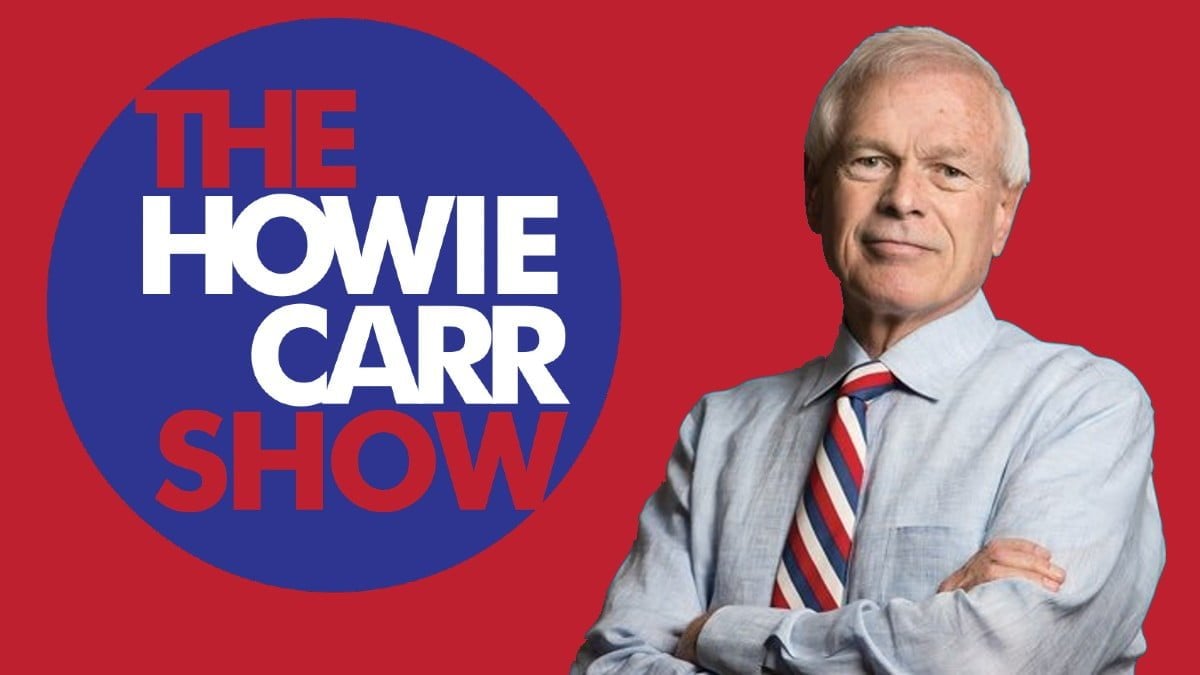
Howie Carr hates Entercom and the Fields. Ask him who he prefers: Field or Pittman.

"I've been sounding the alarm on their incompetence for years."
barrettmedia.com
We can demonize the people. We all know their names. Pittman, Field, Dickey, Berner. We can point the finger at them and say they're the ones who killed radio. But the fact is if we rewind the tape, and go back to when things started to change, we get a very different picture. Someone asked earlier would radio be in the place it's at now if the FCC still had the 7-7-7 ownership limits. My answer is how would forcing radio to operate under obsolete rules stop people from buying personal computers and cell phones or using the internet?? It wouldn't. That problem would still be here today whether or not the radio companies had debt. Instead of a few big companies going bankrupt, you'd have thousands of smaller companies going bankrupt. The problem is still the problem. Once people had a choice of where to get their music, they started to leave radio. The exodus began in the late 80s and early 90s. That's what the problem is. If you can find a way to get people to throw away their phones and computers, and stop using the internet, perhaps they'd go back to listening to radio. But that assumes the music is as good as it was back in the 70s and 80s. That's the other variable in this discussion. People WANTED to listen to the music, and radio was the window to the music. Today, music is disposable, and there are unlimited ways to hear it. That doesn't make the music any better.