Surprised WQXR doesn't use the West Orange site, it would be further away from Hartford and Patchogue. While not much closer with Philly's 106.1
I imagine it's all about HAAT.

Surprised WQXR doesn't use the West Orange site, it would be further away from Hartford and Patchogue. While not much closer with Philly's 106.1
I don’t think an aux site actually exists in West Orange. Maybe many years ago, but i don’t see anything recent.I imagine it's all about HAAT.

It would still be limited to a B1, and while it would have higher ERP there (since it's a lower HAAT), the distance from Manhattan means the field strength over the core of the city will be much lower, which means 105.9 will struggle even more to be heard against the Empire class Bs that overload most radios in midtown.Surprised WQXR doesn't use the West Orange site, it would be further away from Hartford and Patchogue. While not much closer with Philly's 106.1

And they are annoyingly arrogant about it.The problem comes from them being bad broadcasters.
They began when radio was still block programmed like a TV stations in the 50's and 60's. People don't listen to half hour and one hour radio shows any more. They have not for over 70 years, in fact. But the Pacifica folks insist in having a schedule that looks like a giant Bingo card, with something like a hundred shows in a week.They didn't used to be, and in isolated cases they aren't. (As an example, listen to the Thursday evening music block on Berkeley's KPFA, and see if it doesn't remind you a bit of late 60's WNEW-FM, assuming you're old enough to remember it.)
And forget overload... the signal just can't get inside large buildings. We had trouble hearing it in the WCAA studios at 485 Madison (the old CBS location).It would still be limited to a B1, and while it would have higher ERP there (since it's a lower HAAT), the distance from Manhattan means the field strength over the core of the city will be much lower, which means 105.9 will struggle even more to be heard against the Empire class Bs that overload most radios in midtown.
Everyone gets their "turn" but it makes for something that's more like a collection of people having their "turn" rather than a "radio station".And they are annoyingly arrogant about it.
They began when radio was still block programmed like a TV stations in the 50's and 60's. People don't listen to half hour and one hour radio shows any more. They have not for over 70 years, in fact. But the Pacifica folks insist in having a schedule that looks like a giant Bingo card, with something like a hundred shows in a week.
Interesting perspective - What else besides block scheduling, poor technical quality, or content that only a handful of people listen to in the market puts them in the category?The problem comes from them being bad broadcasters. They didn't used to be, and in isolated cases they aren't. (As an example, listen to the Thursday evening music block on Berkeley's KPFA, and see if it doesn't remind you a bit of late 60's WNEW-FM, assuming you're old enough to remember it.)
Was WBLI ever offered the option of moving to 106.3? If WBLI was on 106.3, would that allow WQXR to increase its power?And forget overload... the signal just can't get inside large buildings. We had trouble hearing it in the WCAA studios at 485 Madison (the old CBS location).
It's always up to the station to figure out upgrade possibilities. Nobody "offers" them.Was WBLI ever offered the option of moving to 106.3? If WBLI was on 106.3, would that allow WQXR to increase its power?
Would WQXR be allowed any more power (of course, prorated by the increased antenna height) if they were to transmit from 1WTC?
The root cause analysis here is the need to make sure that every constituency involved with a station gets a piece of the action. Aligning programming to a vision that involves having a consistent sound invariably leads to accusations of "selling out".And they are annoyingly arrogant about it.
They began when radio was still block programmed like a TV stations in the 50's and 60's. People don't listen to half hour and one hour radio shows any more. They have not for over 70 years, in fact. But the Pacifica folks insist in having a schedule that looks like a giant Bingo card, with something like a hundred shows in a week.
True, because it is apparent from just reading the descriptions of each show and hearing or reading the reports on their board meetings that Pacifica and the content contributors is a broad and seemingly incompatible set of fringe, dissident or contrarian thoughts or movements.The root cause analysis here is the need to make sure that every constituency involved with a station gets a piece of the action. Aligning programming to a vision that involves having a consistent sound invariably leads to accusations of "selling out".
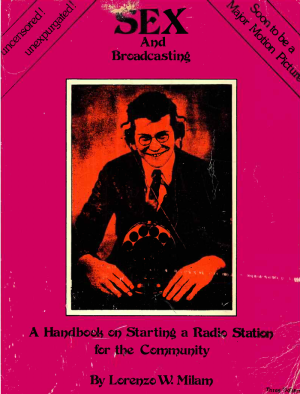
For an interesting read, here it is: https://worldradiohistory.com/BOOKSHELF-ARH/Business/Sex-and-Broadcasting.o.pdfMight be worth picking up a copy of Lorenzo Milam's Sex and Broadcasting to understand how, the more things change, the more they stay the same. While he was very committed to that style of programming, he also clearly described some of the downsides.
WQXR 105.9 has a better signal in Manhattan than 94.7 the Block. Since 105.9 is from Empire, it’s not affected by the overload from the other Empire signals.And forget overload... the signal just can't get inside large buildings. We had trouble hearing it in the WCAA studios at 485 Madison (the old CBS location).
Side note I love Bingo!And they are annoyingly arrogant about it.
They began when radio was still block programmed like a TV stations in the 50's and 60's. People don't listen to half hour and one hour radio shows any more. They have not for over 70 years, in fact. But the Pacifica folks insist in having a schedule that looks like a giant Bingo card, with something like a hundred shows in a week.
It's a staple of Irish radio.Side note I love Bingo!
Really? How do they do it to make it entertaining?It's a staple of Irish radio.
They don't, they just read the numbers out on air! Each game only lasts a minute or so, though.Really? How do they do it to make it entertaining?
Is bingo just being covered? Meaning, can you play along with what is being read on the air? This is a new concept for me.They don't, they just read the numbers out on air! Each game only lasts a minute or so, though.
It's positively thrilling radio compared to the lengthy death notices read out several times daily. There are often 5-10 minutes of listings of people who are now "at rest" and "family flowers only", etc. It's the most popular slot on some rural Irish stations. "Midwest Radio has been informed of the following deaths..."
They don't, they just read the numbers out on air! Each game only lasts a minute or so, though.
It's positively thrilling radio compared to the lengthy death notices read out several times daily. There are often 5-10 minutes of listings of people who are now "at rest" and "family flowers only", etc. It's the most popular slot on some rural Irish stations. "Midwest Radio has been informed of the following deaths..."
You buy a bingo book from a local store, and on the air they say "we're using the blue bingo card today, page 32" and then read out the numbers. The listener marks the numbers at home and if they've got a win, they call in and then send in their winning card.Is bingo just being covered? Meaning, can you play along with what is being read on the air? This is a new concept for me.


