• Get involved.
    We want your input!
    Apply for Membership and join the conversations about everything related to broadcasting.

    After we receive your registration, a moderator will review it. After your registration is approved, you will be permitted to post.
    If you use a disposable or false email address, your registration will be rejected.

    After your membership is approved, please take a minute to tell us a little bit about yourself.
    https://www.radiodiscussions.com/forums/introduce-yourself.1088/

    Thanks in advance and have fun!
    RadioDiscussions Administrators

Trump to PBS and NPR: I’m cutting you off…


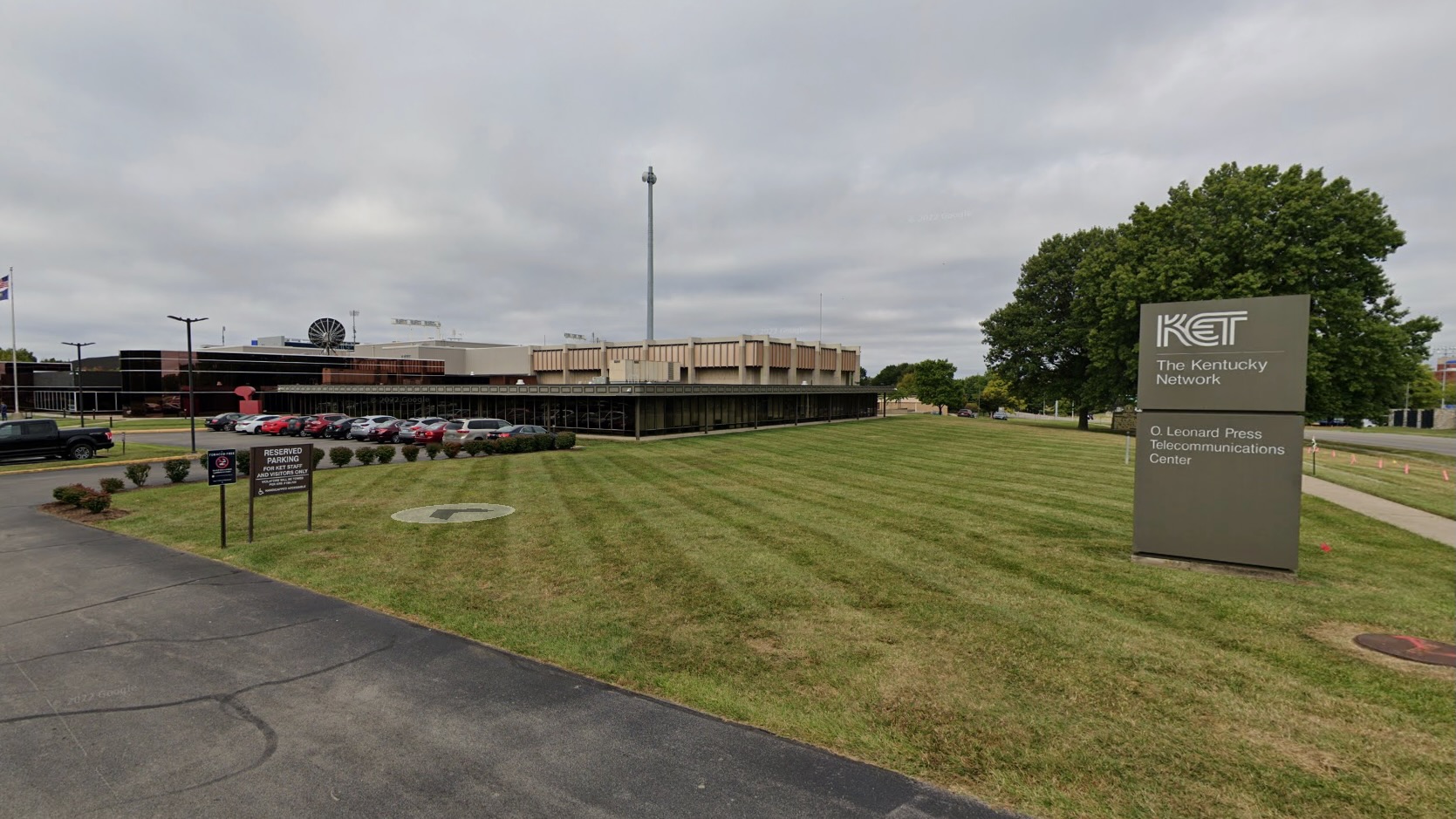
Update multiple PBS Member stations from Houston Public Media, Alabama Public Television and KET all announce job cuts at the same time as PBS itself announce staff cuts as a result of the CPB Elimination.
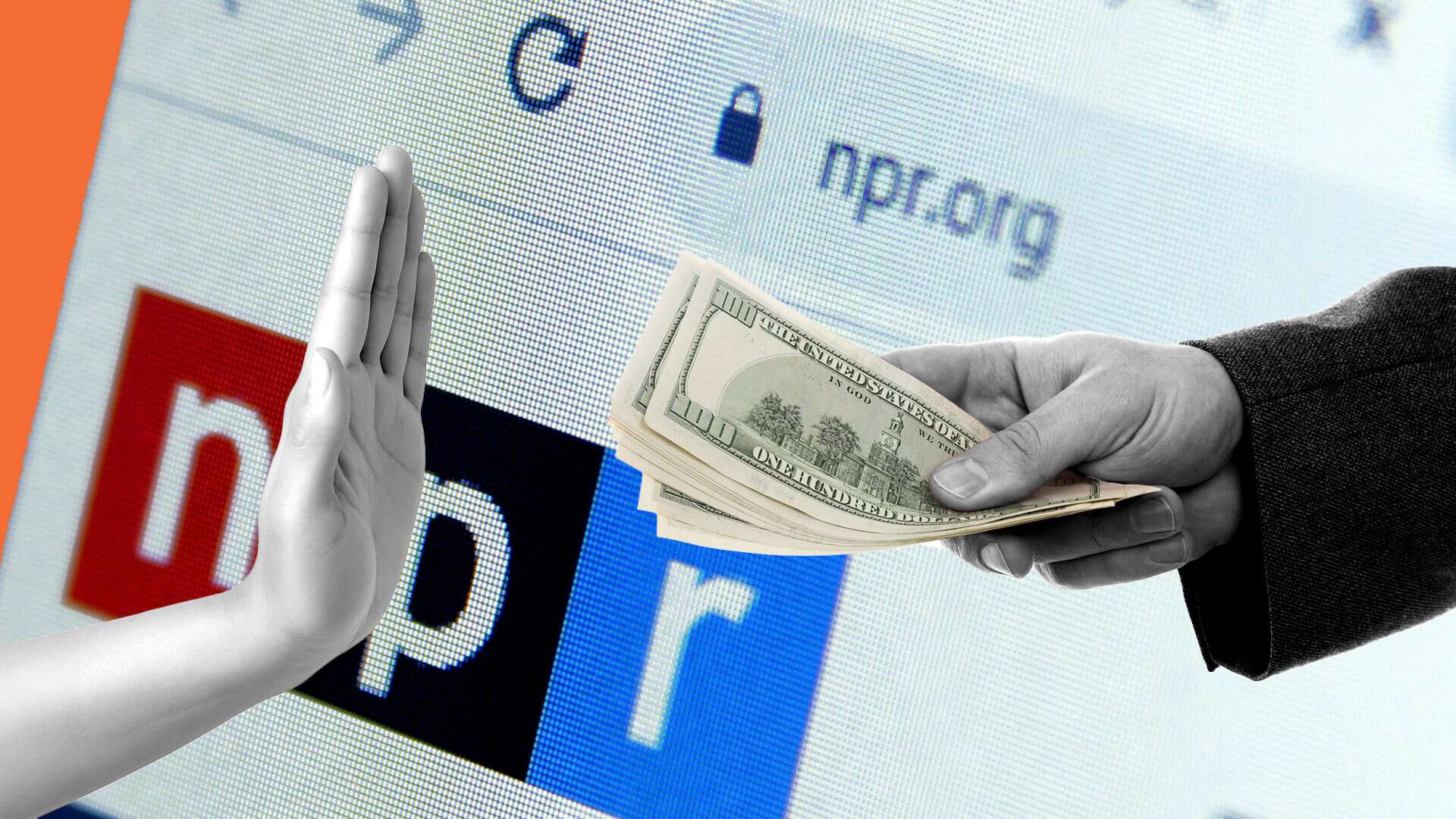
 
Katherine Maher, the head of NPR, appeared on Colbert's show last week. The only links I could find reporting this are from a source that cannot be posted here, and from a public broadcasting outfit that advocated sharing it as rationale for why public media should be taxpayer funded.
In looking at her appearance, I left with the impression that she still doesn't get it, nor does she acknowledge the outsized role her organization played in the successful rescinding of CPB funding. Reason Magazine noted this more than a month ago, and it still seems to hold true.

 
I left with the impression that she still doesn't get it, nor does she acknowledge the outsized role her organization played in the successful rescinding of CPB funding.

Because the rescission didn't "defund NPR." Ronald Reagan did that in 1981. This rescission defunded local public radio. NPR wasn't affected.

The president still thinks he did something no one else was able to do. He's wrong. Reagan used the exact same method over 40 years ago.


President Reagan proposed today to rescind $37 million in funds provided by Congress for the Corporation for Public Broadcasting for the fiscal years 1983 and 1984.

Their budget back then was a lot smaller than it is now. The 1981 recission led to the 1983 NPR financial crisis, which ultimately led it to a system that wasn't based mainly on CPB funding.


There are many in public broadcasting who are fine that the federal money has been cut. It takes an arrow out of the quiver of conservatives who oppose funding regardless of whether the news is biased or not.
 
Last edited:
Katherine Maher, the head of NPR, appeared on Colbert's show last week. The only links I could find reporting this are from a source that cannot be posted here, and from a public broadcasting outfit that advocated sharing it as rationale for why public media should be taxpayer funded.
In looking at her appearance, I left with the impression that she still doesn't get it, nor does she acknowledge the outsized role her organization played in the successful rescinding of CPB funding. Reason Magazine noted this more than a month ago, and it still seems to hold true.

I would be super careful using reason.com as a reliable source for pretty much anything. They are funded by a libertarian think tank, ultimately via folks such as David Koch and Sarah Scaife. To give them credit, thay at least are consistent in their outlook- they have always been opposed to CPB/NPR. The Reason Foundation has a 50+ year history of going after public broadcasting.
 
The fact of the matter is that congress never asked anyone from CPB to testify. CPB is the agency that reports to congress, not NPR. Anything Maher said was irrelevant. No one asked her how much money NPR News received from CPB. That's the operative question. Otherwise nothing matters. If CPB actually funded NPR News, a case could be made that CPB had broken the law by funding a biased news organization. It doesn't matter if NPR News is biased if it doesn't receive federal funding. But that case was never made. Instead congress defunded local stations, many of which are owned by the states themselves. They cost their own states millions of dollars and hurt their own constituents, giving the other party a great issue to campaign on.
 
Here's a link to a story about the Maher interview:


I hope you realize that what Mrs. Maher fears will happen is exactly what the current U.S. President wishes to have happen, except that he wants all of NPR and its stations to be shut down.
 
So NPR is biased because one disgruntled former employee says they are... got it!

I thought the media is all fake news. That should include Berliner's article.

Unless the fake news complaint only applies to news the president doesn't like.

I hope you realize that what Mrs. Maher fears will happen is exactly what the current U.S. President wishes to have happen, except that he wants all of NPR and its stations to be shut down.

Exactly. This wasn't about federal funding. It was part of a larger process involving all news outlets, regardless of funding.

If NPR News is biased, the funding for it specifically should have been cut. Instead the president requested that the congress cut funding for the entire system.

The question is who decides what is biased? The president? Congress? Uri Berliner? That was never dealt with. The president said it was biased, and his party all agreed with him.
 
Because the rescission didn't "defund NPR." Ronald Reagan did that in 1981. This rescission defunded local public radio. NPR wasn't affected.
Please give it a rest. I didn't say it did defund NPR directly, but it did reduce the funding for it members which are now looking more closely at expenses. You aren't be witty when you repeat this over and over when no one has stated it. Why is she spouting off if NPR wasn't affected by the rescission?

"The president still thinks he did something no one else was able to do. "

Removing CPB funding has been discussed for more than two decades and he got it done where at least one other GOP President and multiple GOP led Congresses didn't. I'm not discussing the merits of the action, only that it was not easy to do, and likely wouldn't have been accomplished absent his actions. So he has a point in this regard.


Here is a great rebuttal to Maher. I guess we can post links from there.
 
Why is she spouting off if NPR wasn't affected by the rescission?

Maher works for the member stations. They're the ones affected by the cuts. She was speaking for them.

If the intent was to "defund NPR," it failed. If anything, NPR is in a stronger position now because the government funding weapon is now off the table. Now the government's attacks will simply be about the independence of the press. NPR doesn't own stations and doesn't have stockholders. It's not seeking FCC approval for anything it does. It mainly answers to its member stations, and they will determine its future. They run the board of directors who set policy and hire the CEO. If the fees it charges are too excessive, the member stations can have them cut. If the execs at NPR make too much money, the member stations can cut their pay. These are all things that happened in 1983 during the last funding crisis.

Here is a great rebuttal to Maher.

Did she "overstate" the damage? It depends. Talk to our friend from Alaska, whose station lost 50% of its funding. People respond to hyperbole. Is "wokeism" destroying the country? Are men ruining women's sports? Lots of examples from the other side. They seem to be better at using media hype to motivate their base. That's what this is all about. People are not going to change their views on things because the president cut funding to public broadcasting. The audience for it is still there. Now they have reason to be motivated.

This also reveals a deeper truth: media institutions must adapt as audiences move online. NPR and PBS do offer podcasts and streaming platforms, but their revenue strategies remain tied to legacy broadcast assumptions.

It's a good point. NPR does what it's member stations allow it to do. That's why NPR isn't allowed to fundraise directly from the public. That role is left to the member stations. A previous CEO was fired because she attempted to make NPR more digitally independent from the local stations. So what NPR can do digitally is limited by the stations that run it.
 
Last edited:
The fact of the matter is that congress never asked anyone from CPB to testify. CPB is the agency that reports to congress, not NPR. Anything Maher said was irrelevant. No one asked her how much money NPR News received from CPB. That's the operative question. Otherwise nothing matters. If CPB actually funded NPR News, a case could be made that CPB had broken the law by funding a biased news organization. It doesn't matter if NPR News is biased if it doesn't receive federal funding. But that case was never made. Instead congress defunded local stations, many of which are owned by the states themselves. They cost their own states millions of dollars and hurt their own constituents, giving the other party a great issue to campaign on.
True and also the CEO of PBS was hit for the same issues that Maher’s team at NPR faced such as how will local affiliates fund their local news and documentaries like KPBS-TV San Diego does. There are stations that run the local version of PBS Newshour like KPBS and it’s important to their donors. Also true the CEO of CPB never appeared in congress to explain anything about their funding allocations. It was about finding content that offends the president for some reason even though we could not pin down the exact episodes of Frontline and Newshour that offended the White House.

 
If we had a functioning, rational, adult government they could have proposed an adjustment to the formula, a "third way" if you will.

Even Newt Gingrich, no fan of NPR, proposed a gradual defunding. But we are now in an age of slash and burn, highly vengeful conduct being normalized. I often wonder what the result will be when those who are fans of the current methods have them turned back around towards things they support. If such a thing were possible after this bizarre abandonment of due process and constructive compromise.

A lot of messiness (and opportunistic op-eds such as the one linked above, from someone whose track record and connection to public media or experience with it is dubious, to be generous) would have been avoided if, say, KSKO had not been treated with the same DOGE mindset as KUOW. But it really isn't about efficiency, fiscal soundness or good government, is it?
 
If we had a functioning, rational, adult government they could have proposed an adjustment to the formula, a "third way" if you will.

Even Newt Gingrich, no fan of NPR, proposed a gradual defunding. But we are now in an age of slash and burn, highly vengeful conduct being normalized. I often wonder what the result will be when those who are fans of the current methods have them turned back around towards things they support. If such a thing were possible after this bizarre abandonment of due process and constructive compromise.

A lot of messiness (and opportunistic op-eds such as the one linked above, from someone whose track record and connection to public media or experience with it is dubious, to be generous) would have been avoided if, say, KSKO had not been treated with the same DOGE mindset as KUOW. But it really isn't about efficiency, fiscal soundness or good government, is it?
Again, if NPR, PBS, etc., had the editorial leanings of Fox News instead, we all know it would’ve been defunded years ago. Why taxpayer dollars should be involved in funding programming that has certain editorial leanings to any objective listener, no one so far has ever answered that.
 
If the intent was to "defund NPR," it failed. If anything, NPR is in a stronger position now because the government funding weapon is now off the table.
Good. Most never cared about NPR, just were galled that they were compelled to fund a 'news' entity without even a pretense of balance.

George Will had it right more than a quarter century ago, public media has been culturally redundant for many years. It was true in 1999 and far more so in 2025.


The biggest laugh line from Maher's screed is that there will somehow be some great lack of news because of the rescission. It's just not the case. I do have to say that at least her comments were more measured than those of Kevin Klose in 1999. Talk about a serious lack of perspective!
 
Most never cared about NPR, just were galled that they were compelled to fund a 'news' entity without even a pretense of balance.

But as I keep saying, the government didn't fund the news entity. And the funding that was dropped didn't affect the news division.

Instead hundreds of local stations, many of which didn't even carry NPR News, are laying off staff.

Why taxpayer dollars should be involved in funding programming that has certain editorial leanings to any objective listener, no one so far has ever answered that.

Once again, the federal money didn't go to NPR News.
 
But as I keep saying, the government didn't fund the news entity. And the funding that was dropped didn't affect the news division.

Instead hundreds of local stations, many of which didn't even carry NPR News, are laying off staff.


Once again, the federal money didn't go to NPR News.
But it doesn’t change the point about why should taxpayer dollars be involved at all? If some taxpayers find value in the programming, they can individually donate.


Back
Top Bottom