• Get involved.
    We want your input!
    Apply for Membership and join the conversations about everything related to broadcasting.

    After we receive your registration, a moderator will review it. After your registration is approved, you will be permitted to post.
    If you use a disposable or false email address, your registration will be rejected.

    After your membership is approved, please take a minute to tell us a little bit about yourself.
    https://www.radiodiscussions.com/forums/introduce-yourself.1088/

    Thanks in advance and have fun!
    RadioDiscussions Administrators

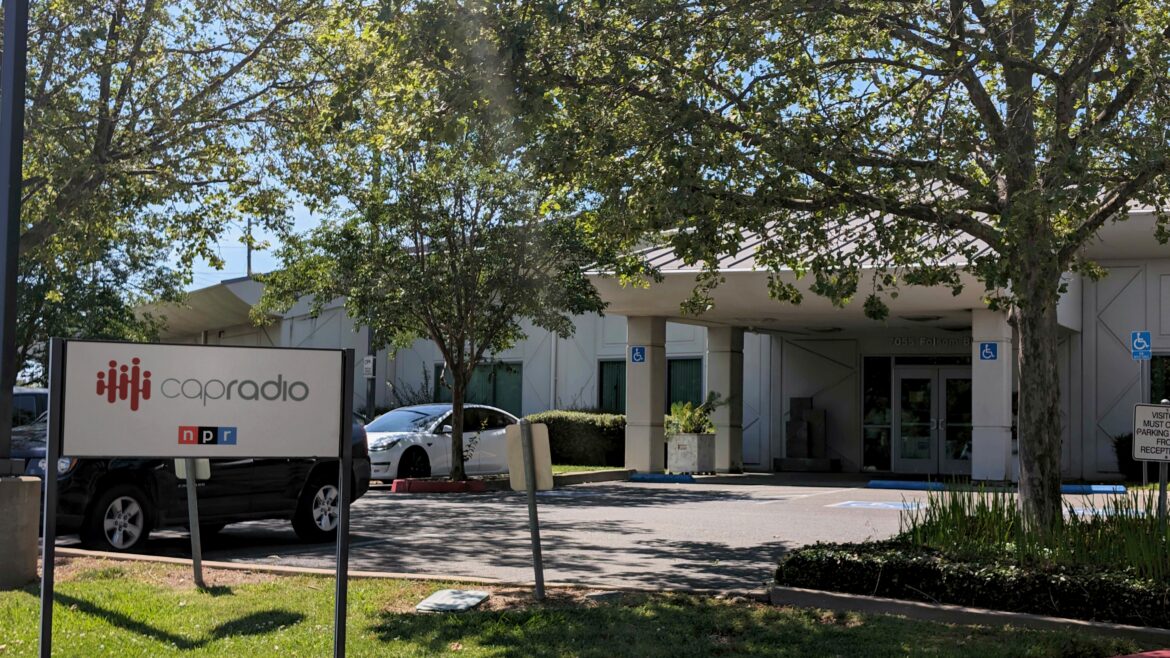
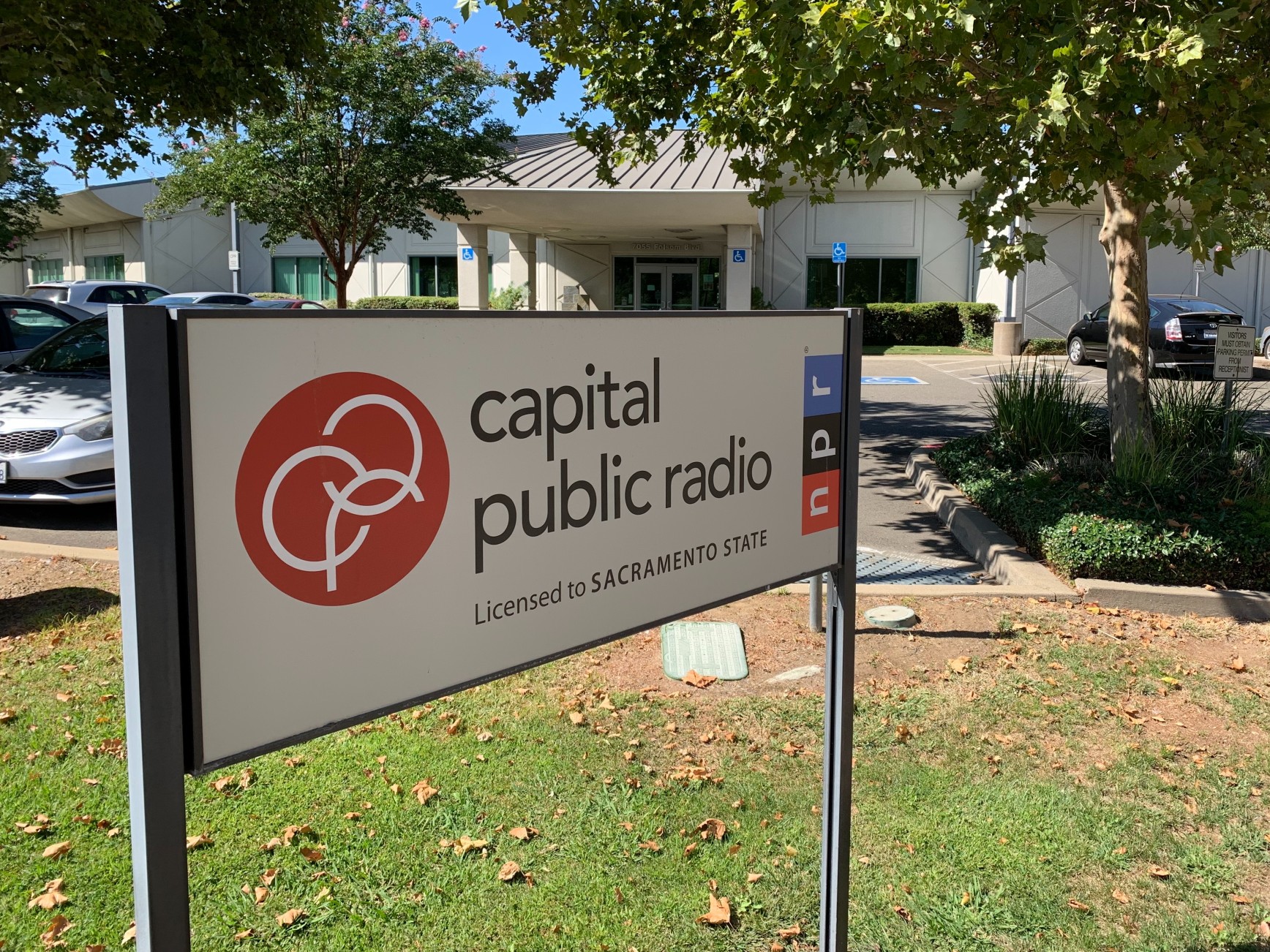
CapRadio cuts 12% staff and cancels shows

I always wondered why the college would support such an operation instead of using broadcast assets for student ran programming.

It's a good question, and some do both. The reason some colleges get into radio ownership is it's part of their broader mission of supporting continuing education and community outreach. The programming from NPR and the local affiliates is typically not available from commercial broadcasters. It's part of why NPR was formed in the first place. The programming on public radio isn't based on advertiser demographics. It's more about public service.

The colleges prefer outsourcing the operations to someone else, because it becomes a revenue stream. Whereas the student run station is an expense. Plus the operation is usually more professional and less likely to create bad PR. Unfortunately that wasn't the case here.
 
Admittedly, I don't listen to Cap Pub Rad because the politics there and mine are opposite. Part of me is pleased that some trimming of what seems like a bloated budget with an unnecessarily large number of upper managers is finally taking place. As a Sac State alum, I always wondered why the college would support such an operation instead of using broadcast assets for student ran programming. But the broadcaster side of me is truly saddened by what has transpired at the almighty NPR affiliates across town. My heart really goes out to the staff that is affected by this. I hope that Singh can turn that sinking ship around and get it to where it should be.

Singh left CapRadio in December. He's CEO of Vermont Public Radio.

And what happened was not "trimming". 112 people a year ago today are now fewer than 50. And most of the cause of it, according to two audits, appears to have been possible conflicts of interest and almost half a million dollars in unexplained expenses by the former GM.
 
And what happened was not "trimming". 112 people a year ago today are now fewer than 50. And most of the cause of it, according to two audits, appears to have been possible conflicts of interest and almost half a million dollars in unexplained expenses by the former GM.
Do you have any insight (pardon the pun) into whether a grand jury has been empaneled yet? People have been indicted for a lot less.
 
The article is good but this part is kind of confusing, since noncommercial stations can’t run advertisements:
The financial statement shows how the stations have been moving toward financial stability, with the university paying off more than $200,000 in debt per month through a university-approved 15-second advertisement at the top of every hour for stations across the Sacramento region.
 
The article is good but this part is kind of confusing, since noncommercial stations can’t run advertisements:

You're right, and that word also appears in the SacBee's version of the story


Through a memorandum of understanding between Sacramento State and the station, the university pays off more than $200,000 in debt per month through a university-approved 15-second advertisement at the top of every hour for stations across the Sacramento region. That MOU will be re-examined every six months, and only the university is eligible to use that exclusive spot.
 
I don't understand how that underwriting announcement (not a spot) pays off $200k of debt per month.

Depends on how they're figuring it. At a spot an hour, assuming 28 days a month and 24 hours a day, that's 672 hours. That's 297.61 per announcement, which is a lot in the Sacramento market.

IF you count CapRadio Music and CapRadio News separately, that gets the per-announcement rate down to $148.80, which still feels high.

But the language is "CapRadio stations across the Sacramento region", and the seven signals (KXJZ, KXPR, KUOP, Stockton, KKTO, South Lake Tahoe, KQNC, Quincy, KXSR, Groveland/Sonora and KXJS, Sutter/Yuba City) can and do carry separate funding credits.

So, go back to 297.61 and divide by seven...that's $42.51 a pop, and that makes some sense.
 
Nice article! What stood out to me is the statement, "....the company racked up nearly $13 million in debt, primarily from construction costs from an estimated $15 to $18 million in improvements associated with the properties. " WHAT??!!

The commercial cluster I work for in Sacramento's annual billing is like not even half of that debt amount.

I can't understand the hemorrhaging of money from this supposedly "not for profit" cluster of stations. If those stations suddenly stopped receiving tax payer funds, and had to fend for themselves with advertising revenue like commercial stations, they would die. NPR affiliate stations all seem to have an arrogant attitude toward that slow string-plucking they call music and except for markets like San Francisco, could not self-sustain.

Maybe it's time the mucky-mucks at Capitol Public Radio take a soul-searching look at themselves and either reinvent what it means to serve the public and be supported by public, or just declare bankruptcy and shut them down and save electricity and bandwidth.
 
Nice article! What stood out to me is the statement, "....the company racked up nearly $13 million in debt, primarily from construction costs from an estimated $15 to $18 million in improvements associated with the properties. " WHAT??!!

The commercial cluster I work for in Sacramento's annual billing is like not even half of that debt amount.

I can't understand the hemorrhaging of money from this supposedly "not for profit" cluster of stations. If those stations suddenly stopped receiving tax payer funds, and had to fend for themselves with advertising revenue like commercial stations, they would die. NPR affiliate stations all seem to have an arrogant attitude toward that slow string-plucking they call music and except for markets like San Francisco, could not self-sustain.

Maybe it's time the mucky-mucks at Capitol Public Radio take a soul-searching look at themselves and either reinvent what it means to serve the public and be supported by public, or just declare bankruptcy and shut them down and save electricity and bandwidth.

If you're in Sacramento, I have to believe you know the rest of the story---that there was financial mismanagement under a previous GM who is currently under criminal investigation.


In addition to the alleged potentially criminal behavior, that manager failed to make decisions as conditions changed, deadlines passed and cost overruns grew---and hid the actual numbers from staff, and, until the auditors came in with suspicions, the university.
 
If you're in Sacramento, I have to believe you know the rest of the story---that there was financial mismanagement under a previous GM who is currently under criminal investigation.


In addition to the alleged potentially criminal behavior, that manager failed to make decisions as conditions changed, deadlines passed and cost overruns grew---and hid the actual numbers from staff, and, until the auditors came in with suspicions, the university.

I have heard the accusations and some of the verbal poop being thrown around. Until there is a trial and conviction, I'm not going to assume anyone is guilty of anything.

From the outside looking in, it just looks like more elites wasting money on worthless stuff. Then someone got caught with their hand in the cookie jar.

Before you jump on me for using the word "elites"- Look at the lobby at CPR and the lobby at my stations. If a wild chimpanzee busted into our lobby and broke everything there, we'd be out maybe a hundred bucks. Tops.
 
Before you jump on me for using the word "elites"- Look at the lobby at CPR and the lobby at my stations. If a wild chimpanzee busted into our lobby and broke everything there, we'd be out maybe a hundred bucks. Tops.

About the same at my NPR station lol
 
I don't know what they've done to it since the remodeling, but the KQED lobby was pretty bare bones, just a security desk that was probably a few hundred bucks, and a couple office chairs for the security guards to check people in.
 
I don't know what they've done to it since the remodeling, but the KQED lobby was pretty bare bones, just a security desk that was probably a few hundred bucks, and a couple office chairs for the security guards to check people in.

And, ultimately, this part of the argument is pretty damned silly anyway. What happened at CapRadio goes way beyond office furniture and has nothing to do with fantasies of purported elitism.
 
I don't know what they've done to it since the remodeling, but the KQED lobby was pretty bare bones, just a security desk that was probably a few hundred bucks, and a couple office chairs for the security guards to check people in.

Yep, KQED is pretty conservatively done. Capitol Public Radio is the opposite. Last time I was there (it's been a while), the first impression was rather extravagant compared to the commercial stations in town.
 
And, ultimately, this part of the argument is pretty damned silly anyway. What happened at CapRadio goes way beyond office furniture and has nothing to do with fantasies of purported elitism.

It is relevant when we discuss waste and money spent on fluff. Elitism isn't a "fantasy", it really exists.
 
Status
This thread has been closed due to inactivity. You can create a new thread to discuss this topic.


Back
Top Bottom