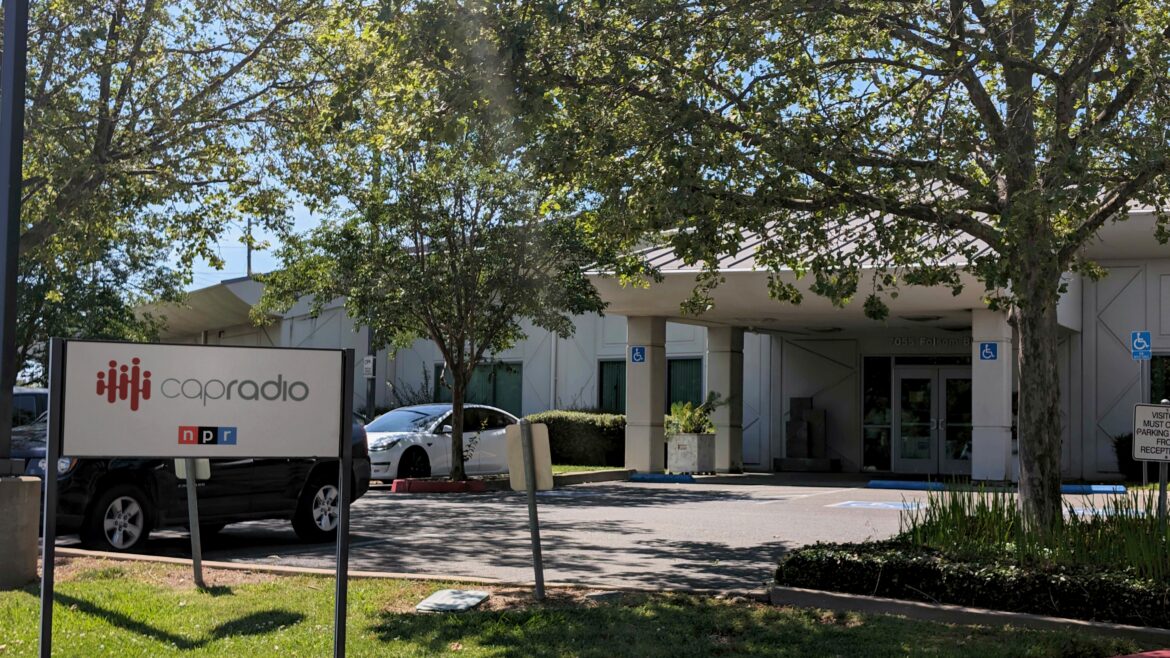
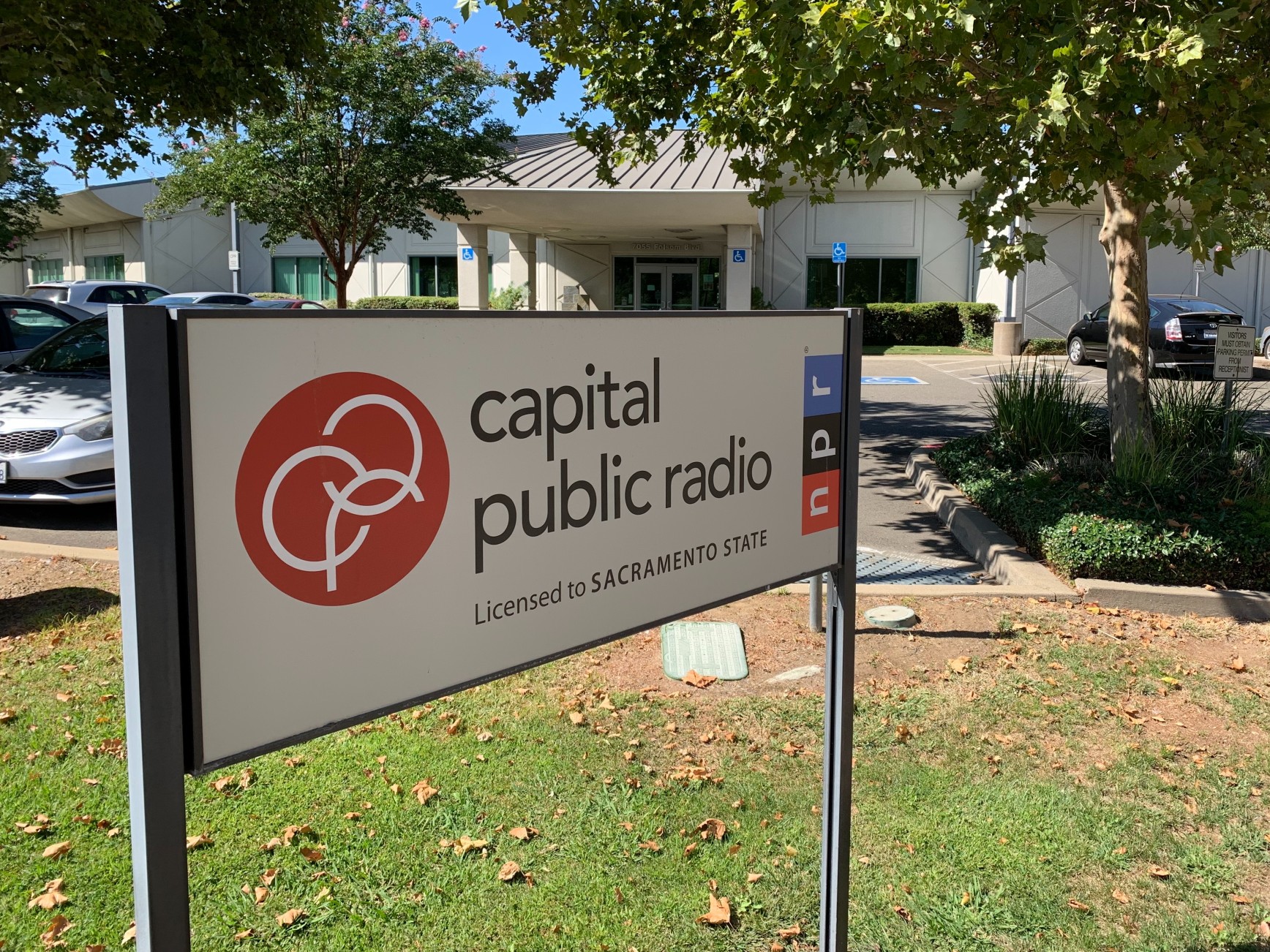
I always wondered why the college would support such an operation instead of using broadcast assets for student ran programming.
It's a good question, and some do both. The reason some colleges get into radio ownership is it's part of their broader mission of supporting continuing education and community outreach. The programming from NPR and the local affiliates is typically not available from commercial broadcasters. It's part of why NPR was formed in the first place. The programming on public radio isn't based on advertiser demographics. It's more about public service.
The colleges prefer outsourcing the operations to someone else, because it becomes a revenue stream. Whereas the student run station is an expense. Plus the operation is usually more professional and less likely to create bad PR. Unfortunately that wasn't the case here.