I only claimed it made a difference on price.Zenith radios at that time and even before that didn't sound that great even the tube ones so it's hard to say whether shipping things overseas made any difference as to quality.

-
Get involved.
We want your input!
Apply for Membership and join the conversations about everything related to broadcasting.
After we receive your registration, a moderator will review it. After your registration is approved, you will be permitted to post.
If you use a disposable or false email address, your registration will be rejected.
After your membership is approved, please take a minute to tell us a little bit about yourself.
https://www.radiodiscussions.com/forums/introduce-yourself.1088/
Thanks in advance and have fun!
RadioDiscussions Administrators
You are using an out of date browser. It may not display this or other websites correctly.
You should upgrade or use an alternative browser.
You should upgrade or use an alternative browser.
Dennis Prager Hurt in Fall
- Thread starter skiwest
- Start date
- Status
- Not open for further replies.
Not necessarily as sound quality can be had if the manufacturer desires it. The GE SuperRadio series from the 1970's is one example. Mine says "Made in Indonesia" and it's decent quality and has great sound on AM.
Back in those days, GE had company pride over the products with their name on it. Not any more.

In fact, "General Electric Co." no longer exists. It has been split/spun off into GE Aerospace, GE Healthcare, and GE Vernova (their former energy division). All of which are independent corporations, listed separately on the stock exchange with their own ticker symbols (GE, GEHC and GEV, respectively).Back in those days, GE had company pride over the products with their name on it. Not any more.
Most of what normal consumers see as a GE product (e.g., a dishwasher, or a clothes washer and/or dryer) is another company (e.g., Sunbeam) licensing the old GE name and logo to put on their own products, probably imported from Mexico, China or some other Asian country's contract manufacturer.
All of this is the long-term ramification of the Jack Welsh style of management. Financial engineering in pursuit of greater profits, at the expense of reputational damage from cheapening the various product lines.
Yes, "GE Appliances...A Haier Company". Many major appliances still made in Kentucky but the profits are going to China since Haier is merely licensing the GE name.
I would argue there were radios made in Japan 50-55 years ago though that had good quality, such as most of what Panasonic and Sony offered then.
I would argue there were radios made in Japan 50-55 years ago though that had good quality, such as most of what Panasonic and Sony offered then.
VintageMac
Banned
Not really new since many years ago, GE sold the radio and I think also the tv division to Thomson/RCA. They haven't been the same company as in the 1970's and earlier. Even the lighting division was sold off as I recall.In fact, "General Electric Co." no longer exists. It has been split/spun off into GE Aerospace, GE Healthcare, and GE Vernova (their former energy division). All of which are independent corporations, listed separately on the stock exchange with their own ticker symbols (GE, GEHC and GEV, respectively).
Most of what normal consumers see as a GE product (e.g., a dishwasher, or a clothes washer and/or dryer) is another company (e.g., Sunbeam) licensing the old GE name and logo to put on their own products, probably imported from Mexico, China or some other Asian country's contract manufacturer.
All of this is the long-term ramification of the Jack Welsh style of management. Financial engineering in pursuit of greater profits, at the expense of reputational damage from cheapening the various product lines.
Not really new since many years ago, GE sold the radio and I think also the tv division to Thomson/RCA. They haven't been the same company as in the 1970's and earlier. Even the lighting division was sold off as I recall.
Keep in mind that at that time, GE still owned radio stations. They continued to own WGY until the 80s. RCA owned NBC until 1988. But after that, none of the electronics companies owned radio stations anymore. The current radio station owners are in the content business, not the electronics business. So that's why radio companies are now refocusing their attention to other delivery systems. Meanwhile today's big tech companies are in the computer and phone business, not the radio business. So they put their investments into quality computers and phones, not radios.
Steering this back to RADIO...It makes sense to have a permanent fill-in host rather than a revolving door of guest hosts. I believe Charlie Kirk is Salem's golden boy who would likely move into that seat if it opens up permanently. Or maybe Kirk moves into Gorka's seat when he leaves.
Hugh Hewitt is moving to the Gorka slot, and WNTP (Philadelphia) morning host Chris Stigall is joining the network to replace Hewitt. All effective Jan. 13.
Steering this back to RADIO...
Hugh Hewitt is moving to the Gorka slot, and WNTP (Philadelphia) morning host Chris Stigall is joining the network to replace Hewitt. All effective Jan. 13.
And Carl Jackson will be permanent sub for Prager until he returns:
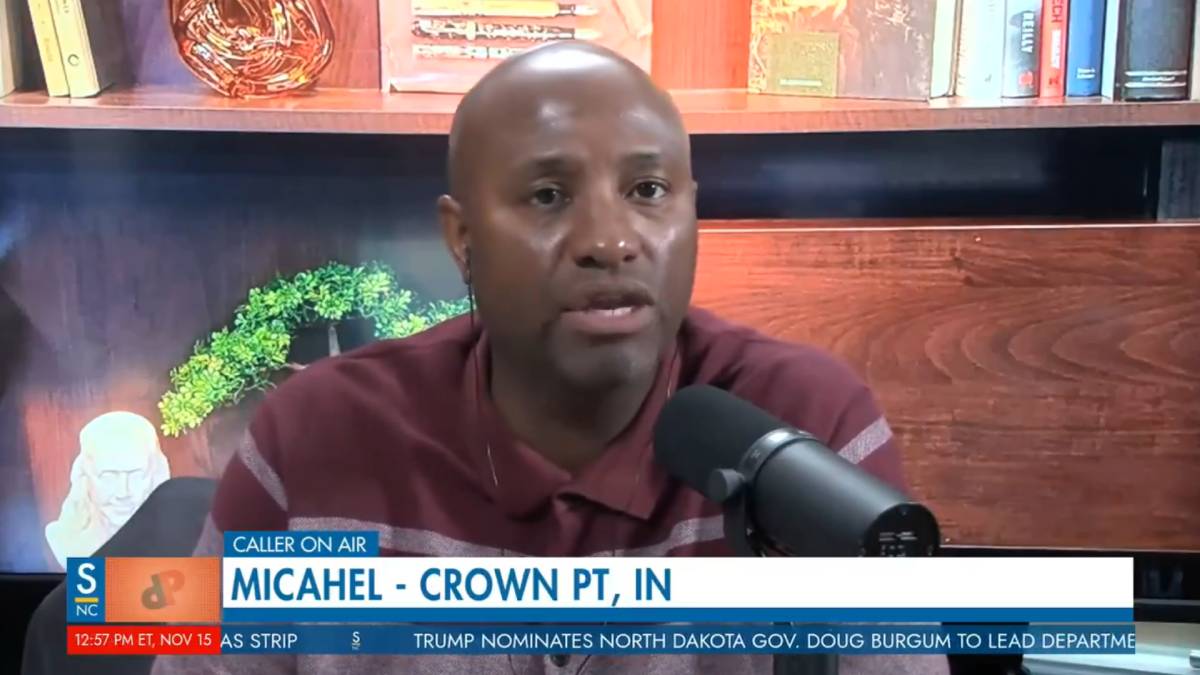
Carl Jackson to Fill-In for Dennis Prager Until Salem Radio Network Host Ready to Return
"This is going to be weeks, months, honestly, for him to recuperate and for his body to heal. If we're not telling you information, we're not withholding it from you."
 barrettmedia.com
VintageMac
Banned
You make some good points but as to quality, at the time GE chose to make a decent product for what was a niche market even then which had little to do with owning radio stations. DX'ers wanted a quality radio with decent sound and the SuperRadio provided. The C.C. Crane Radio is probably the closest one available now but sounds inferior to the old SuperRadio's, especially the last model III which had the AM wideband mode and still sounds good today.Keep in mind that at that time, GE still owned radio stations. They continued to own WGY until the 80s. RCA owned NBC until 1988. But after that, none of the electronics companies owned radio stations anymore. The current radio station owners are in the content business, not the electronics business. So that's why radio companies are now refocusing their attention to other delivery systems. Meanwhile today's big tech companies are in the computer and phone business, not the radio business. So they put their investments into quality computers and phones, not radios.
I have a SuperRadio III, have owned it for close to 30 years by now. It sits on top of my fridge, and still sounds very good. I just wish there was an AM station, any AM station, that broadcast out a signal of high enough quality to really take advantage of that radio's capabilities. KGO used to. KCBS might be the last Bay Area station worth listening to on the AM band, but they have an FM simulcast.You make some good points but as to quality, at the time GE chose to make a decent product for what was a niche market even then which had little to do with owning radio stations. DX'ers wanted a quality radio with decent sound and the SuperRadio provided. The C.C. Crane Radio is probably the closest one available now but sounds inferior to the old SuperRadio's, especially the last model III which had the AM wideband mode and still sounds good today.

If he returns. It sounds like he is in bad shape.And Carl Jackson will be permanent sub for Prager until he returns:
Last edited:
German radios made from the 1950s to around the late 70s were the best you could buy. Reception was sensitive and the sound quality was fantastic. Today, most of those famous German names are on radios made in Asia and are nowhere near as good.Some of the best AM radios I've had are German made Telefunken and Nordmende units which had a very smooth quality sound something that US radios couldn't match.
Ironically it's the "All-American Five" tube radios of the '50s which often get the blame for the eventual decline of AM radio. The lack of a tuned RF front end made them prone to interference, and to cover up their lack of selectivity, they employed an audio filter to roll off the high frequencies. Stations added treble boost to compensate for this, but combined with the proliferation of new stations and power increases cluttering up the band, that made the interference even worse, and led to a further reduction in AM receiver bandwidth, to the point they were only tolerable for talk stations.Part of the decline in my opinion relates to the demise of the American electronics manufacturing business in the 70s and its move to Japan, Korea, and now China. The quality of those radios steadily declined as manufacturing moved to those countries.
Can we bring this thread back to the topic, please?Ironically it's the "All-American Five" tube radios of the '50s which often get the blame for the eventual decline of AM radio. The lack of a tuned RF front end made them prone to interference, and to cover up their lack of selectivity, they employed an audio filter to roll off the high frequencies. Stations added treble boost to compensate for this, but combined with the proliferation of new stations and power increases cluttering up the band, that made the interference even worse, and led to a further reduction in AM receiver bandwidth, to the point they were only tolerable for talk stations.
I have supported Dennis Prager's "PragerU", therefore I get mail and calls from them. To see an update on his condition, please visit the FORMAT BOARDS and scroll down to "NEWS/TALK".
No thanks, fanboy.I have supported Dennis Prager's "PragerU", therefore I get mail and calls from them. To see an update on his condition, please visit the FORMAT BOARDS and scroll down to "NEWS/TALK".
While he deserves well-wishes in his physical recovery, Prager being off the air reduces the noise pollution count just a little bit. Other than devotees such as yourself, I seriously doubt that the masses are clamoring with bated breath for his return.
When some people complain about PragerU videos, they often react to what someone said about certain videos instead of watching it themselves. That leads to misinformation and untrue takes.
The fill in just sucks. I heard him yesterday hollering about the lady in NYC that was set on fire and murdered. Literally screaming. Come on, dude.No thanks, fanboy.
While he deserves well-wishes in his physical recovery, Prager being off the air reduces the noise pollution count just a little bit. Other than devotees such as yourself, I seriously doubt that the masses are clamoring with bated breath for his return.
I wouldn't go so far as saying Carl Jackson "just sucks" but, as I shared in the News/Talk forum, I agree with you that he yells too much. He has none of the calm demeanor of Dennis Prager, or his fellow African-American host, Larry Elder. Carl Jackson is an energetic talker, but, imo, he takes it too far and does not compensate for that by being entertaining too, like Officer Tatum.The fill in just sucks. I heard him yesterday hollering about the lady in NYC that was set on fire and murdered. Literally screaming. Come on, dude.
- Status
- Not open for further replies.